
Inside Lakshmi Vilas Palace: Vadodara’s Grand Royal Residence and the World’s Largest Home
Nestled in the historic city of Vadodara, the magnificent Lakshmi Vilas Palace stands as one of the most extraordinary royal residences in the world. Often described as the largest private residence on Earth, this grand palace is not merely a home—it is a symbol of India’s regal heritage, architectural brilliance, and cultural richness.
A Royal Vision Comes to Life
The story of Lakshmi Vilas Palace dates back to the late 19th century during the reign of Maharaja Sayajirao Gaekwad III, one of the most progressive and visionary rulers of his time. Construction of the palace began around 1890 and took nearly 12 years to complete. Designed by British Architect Major Charles Mant (later completed by Robert Chisholm), the palace was envisioned as a residence that would reflect both the grandeur of Indian royalty and the sophistication of European design.
Built at a staggering cost for its time, the palace showcased the Maharaja’s desire to create a residence that was unmatched in scale and elegance. Today, it remains approximately four times the size of Buckingham Palace, reinforcing its reputation as the world’s largest private home.
Architectural Grandeur and Fusion
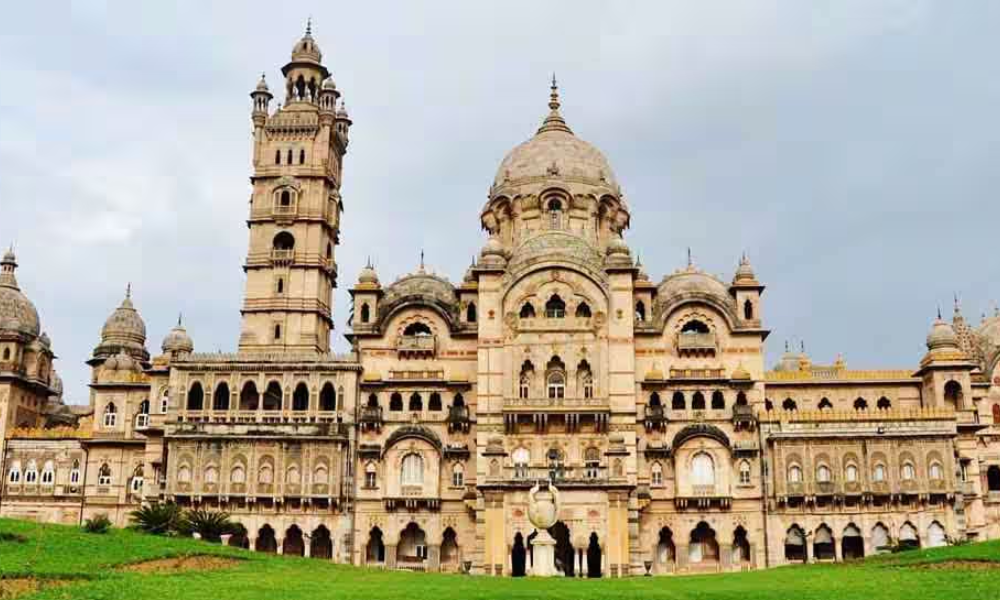
One of the most fascinating aspects of Lakshmi Vilas Palace is its unique architectural style. The palace is a fine example of Indo-Saracenic architecture—a blend of Indian, Islamic, and European influences. From its grand domes and minarets to its intricate arches and expansive courtyards, every element reflects a harmonious fusion of cultures.
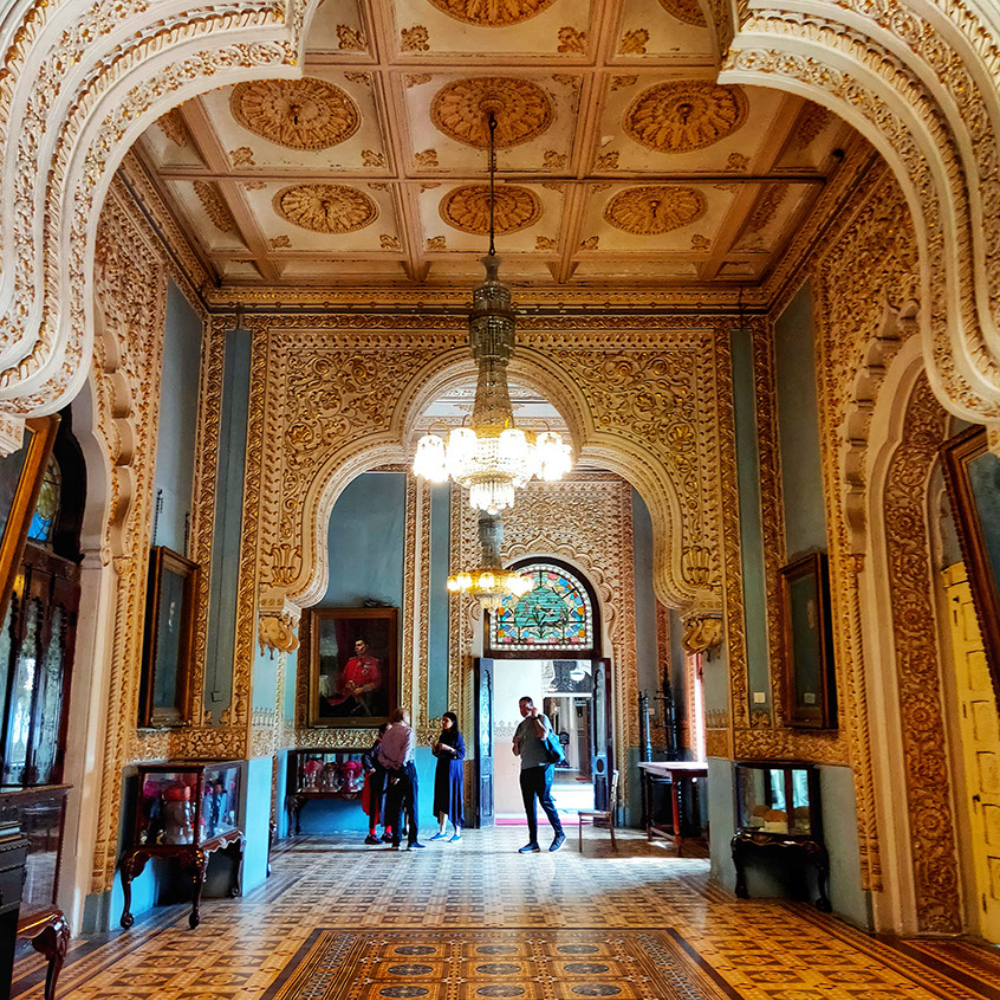
The exterior of the palace features elaborate carvings, majestic pillars, and sprawling gardens that enhance its regal charm. Inside, the palace is even more breathtaking. The interiors are adorned with ornate chandeliers, mosaic floors, stained glass windows, and exquisite furniture that reflect Victorian influences.
The Durbar Hall, one of the palace’s most iconic spaces, is particularly striking. With its Venetian mosaic flooring, Belgian stained glass windows, and grand arches, the hall was used for royal ceremonies and gatherings. The ceiling, decorated with intricate designs, adds to the room’s opulence, making it a true masterpiece of craftsmanship.
A Palace of Unmatched Scale
Spread across an estate of nearly 500 acres, Lakshmi Vilas Palace is far more than just a residential building. The palace complex includes lush gardens, a golf course, and several auxiliary structures that add to its grandeur. With over 170 rooms, the palace was designed to accommodate not only the royal family but also guests, officials, and staff.
Despite its massive size, the palace was equipped with modern amenities for its time, including elevators and advanced plumbing systems. This blend of luxury and innovation highlights the forward-thinking approach of Maharaja Sayajirao Gaekwad III.
Cultural and Artistic Heritage
Lakshmi Vilas Palace is also a treasure trove of art and culture. The palace houses an impressive collection of artworks, including paintings by renowned artists such as Raja Ravi Varma, who was specially commissioned by the royal family. His masterpieces, depicting scenes from Indian mythology, continue to captivate visitors and art enthusiasts.
The palace also contains a rich collection of artifacts, sculptures, and historical objects that offer a glimpse into the lifestyle and traditions of the Gaekwad dynasty. Each room tells a story, preserving the legacy of a bygone era.
A Living Heritage
Unlike many historic places that have been converted into museums or hotels, Lakshmi Vilas Palace remains a private residence of the Gaekwad royal family. This makes it unique, as it continues to function as a living heritage site.
Parts of the palace are open to the public, allowing visitors to experience its grandeur first-hand. Guided tours provide insights into the history, architecture, and cultural significance of the palace, making it one of the most popular tourist attractions in Vadodara.
Symbol of Progress and Reform
Maharaja Sayajirao Gaekwad III was not only known for his love of architecture but also for his progressive reforms. Under his rule, Baroda State witnessed significant advancements in education, infrastructure, and social welfare. The palace, therefore, is not just a symbol of luxury but also of a ruler’s vision for a modern and inclusive society.
The grandeur of Lakshmi Vilas Palace reflects the prosperity and forward-thinking spirit of the era. It stands as a reminder of how tradition and progress can coexist harmoniously.
Tourism and Global Recognition
Today, Lakshmi Vilas Palace attracts visitors from around the world. Tourists are drawn not only by its architectural beauty but also by its historical significance. The palace’s vast grounds and stunning interiors make it a favorite destination for photographers, historians, and travelers alike.
Its reputation as the world’s largest private residence adds to its global appeal. For many, a visit to Vadodara is incomplete without exploring this iconic landmark.
Preserving a Timeless Legacy
Efforts have been made to preserve and maintain the palace, ensuring that its legacy continues for future generations. The royal family, along with heritage conservationists, has played a crucial role in safeguarding this architectural marvel.
As modernization continues to reshape cities, Lakshmi Vilas Palace stands as a timeless reminder of India’s rich cultural heritage. Its grandeur, history, and artistic value make it a priceless asset not just for Vadodara but for the entire nation.
Conclusion
The Lakshmi Vilas Palace is more than just a palace—it is a living testament to India’s royal past, architectural brilliance, and cultural depth. From its vast expanse and intricate design to its historical significance and artistic treasures, the palace continues to inspire awe and admiration.
As one walks through its grand halls and lush gardens, it becomes clear that Lakshmi Vilas Palace is not just the largest private residence in the world but also one of the most remarkable symbols of heritage and legacy.