From Classrooms to Cosmos: How Summer Science Camps Are Shaping Future Innovators
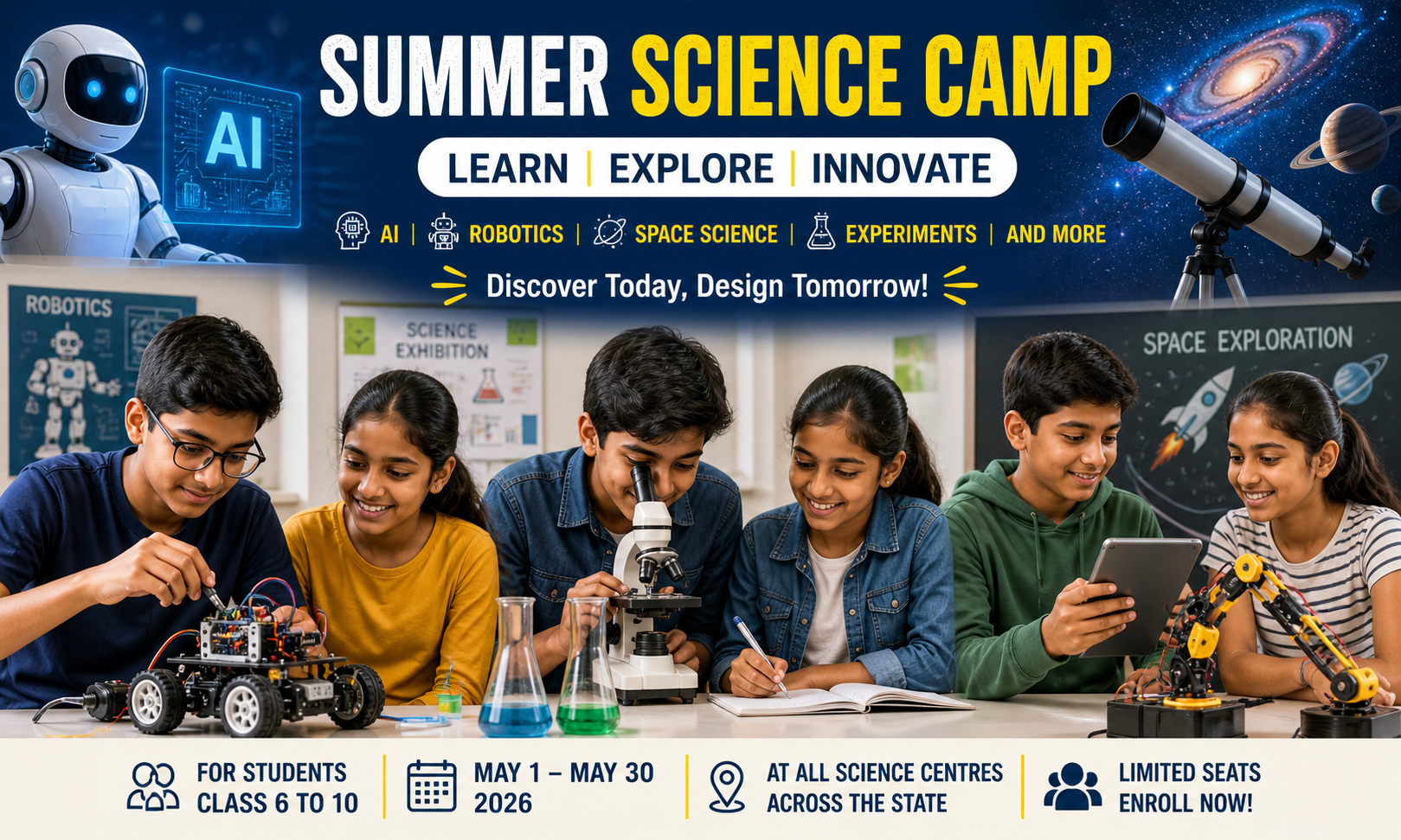
Vacations in the summer season are not only about taking time off; instead, they provide a platform for exploration and development. In our state, science summer camps are offering an opportunity for children to explore fascinating areas such as AI, robotics, space science, among others, in an interactive and engaging manner. Science summer camps take learning far beyond the classroom, helping the children see how they can apply science in the real world.
Why Summer Science Camps Are Important for Children’s Development
Students usually take advantage of summer vacation to relax from studying; however, this holiday period is capable of becoming a unique opportunity to learn something unusual for them. Science camps are aimed at allowing children to make good use of their spare time by providing them with fresh knowledge that goes beyond school subjects. Thus, rather than simply remembering formulas, students get a chance to investigate the surrounding world, find answers to many questions, and figure out what makes everything around them function properly. In addition, interacting with people who share similar interests fosters important social skills among children. However, most importantly, science camps manage to make children interested in science instead of being scared of this complex field. Through these experiences, students may discover what they like and are good at, which might eventually affect their future educational and career paths.
The Future Awaits You: Students will be Exploring Robotics, AI, and Outer Space
The world is changing faster than ever and today’s technologies such as robotics, artificial intelligence, and space exploration continue to do so. By giving students an early introduction to these topics, we are better preparing them for their futures. Science camps provide students with an introductory experience that is both simple and hands-on; students will get a sense of how machines think and operate, how robots function, and what exists beyond the earth. With all of this being presented through hands-on learning experiences instead of through complicated theories, students will have no difficulties comprehending these advanced subjects. Not only will students gain knowledge about these subjects, but they will also become intrigued by them — preparing them for the careers of tomorrow. Students will learn to view science as a tool to create new things and help solve problems by using their logical reasoning abilities. By becoming familiar with the latest technologies, they will be more likely to understand the world in which they will be living when they become adults.
Experiential Learning – Examples: Hands-On Learning and Everyday Experiences
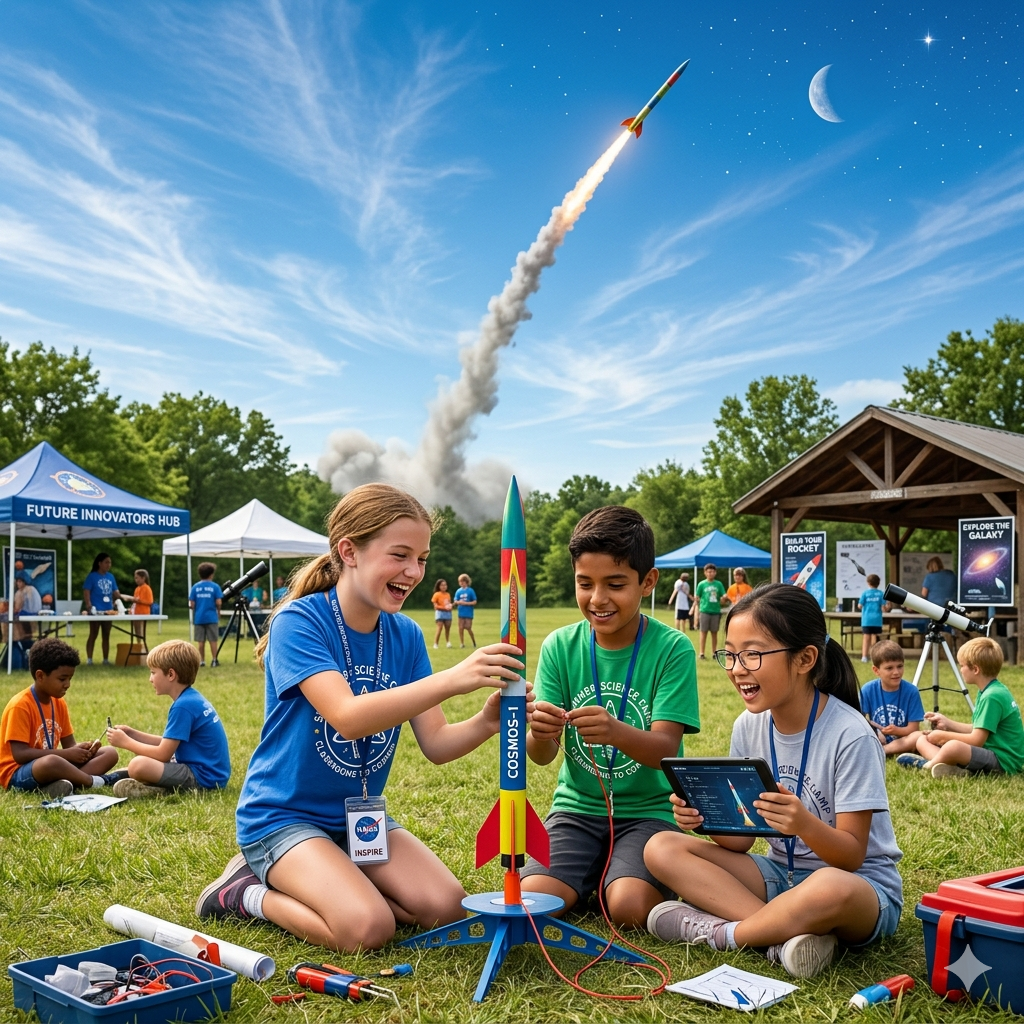
One key benefit of participating in a science camp is that you have the chance to learn through experiences as opposed to theories. There are plenty of hands-on activities in science camps including fieldtrips, live demonstrations, telescope viewing, and science fairs which enhance the learning experience and make it more memorable for students. When students see the subject matter being demonstrated in front of them, it helps them to internalize it much better than if they were to read about it. For example, viewing the night sky through a telescope will create more awe emotion for students than any classroom based lesson. In the very same way, when students perform hands-on experiments, it helps them to relate to more complex concepts that would otherwise take time to fully comprehend. Students enjoy doing hands-on work because they get to be active participants and ask deeper questions as a result. Experiencing things first hand changes the students’ mindsets from a passive learner to active explorers, and gives students an increased level of understanding as well as developing a lifelong interest in the field of science. As time progresses, these types of hands-on experiences play a significant role in how students approach learning and problem-solving in their lives.
Careers of Tomorrow: Semiconductors and Green Energy
Science camps not only expose students to new topics, but they also prepare them for possible future careers, including semiconductors and green energy careers, both of which are becoming increasingly relevant in today’s world. Camps introduce these topics early on, which leads students to see an example of industries that will shape the future. Students learn about the development of technology over time, and how that affects their daily lives. Knowing that they are learning about octrics and sustainable energy gives them greater interest in their education and would allow them to make better informed decisions in future careers. In addition, students will begin to feel an obligation to care for the earth by being knowledgeable about the use of science to educate themselves and solve problems related to energy, climate change, etc., which are reaping the results of scientist’s solutions. This is not only encouraging students to learn in the classroom, but to also explore outside of the classroom and innovate through purposeful actions. Eventually, all that encouragement can lead to students choosing meaningful careers where the students are successful in their careers, but also contributing greatly to society.
Conclusion
However, summer camps focused on science are helping us understand that the pursuit of knowledge need not be confined within the four walls of a school. Not only are such programs engaging and educational, but they are also empowering, enabling students to envision new opportunities for themselves in the world of science by introducing them to futuristic technologies and stimulating their imagination through interesting experiments and discussions on AI and robotics. In more ways than one, such camps are much more than fun-filled summer programs; they are catalysts of innovation.