





What Chernobyl Is Still Teaching Us — Even After 40 Years
When people hear about the Chernobyl disaster, the first image that comes to mind is destruction — an explosion, radiation, abandoned structures, and a ghost city firmed in time. But the commodity unanticipated decades later, scientists are still learning from it.
In fact, the disaster has still turned into one of the world’s most unusual open- air laboratories helping experimenters understand radiation, ecosystems, and indeed how unborn nuclear accidents can be handled better.
Let’s break this down in a simple, real- world way.
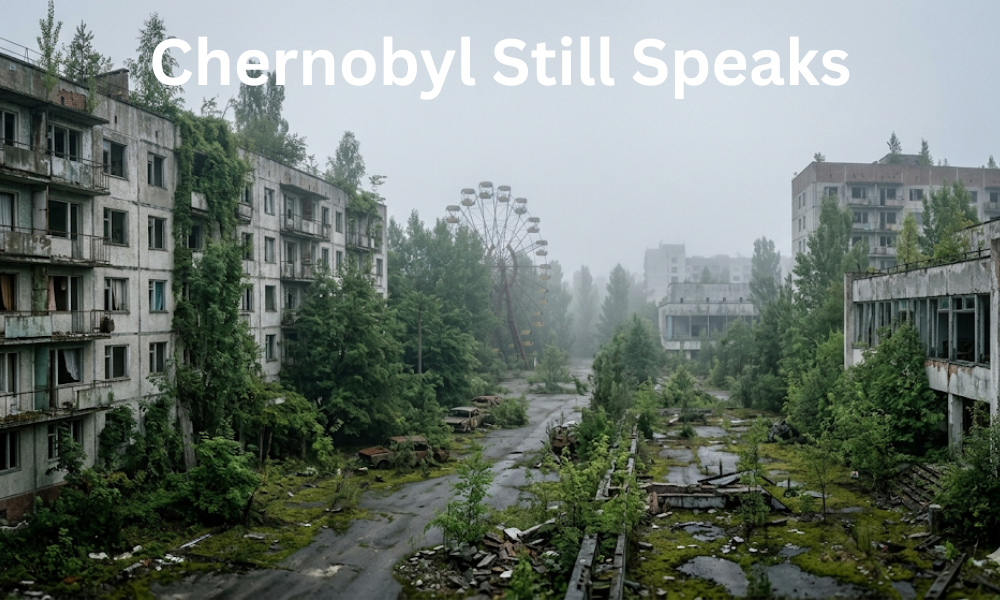
What happened Back in 1986?
. In April 1986, a reactor at the Chernobyl Nuclear Power Plant exploded during a safety test. The blast released massive radioactive material into the air, spreading across corridors of Europe.
The impact was immediate and severe
Workers and firefighters were exposed to deadly radiation
Thousands were vacated from near areas
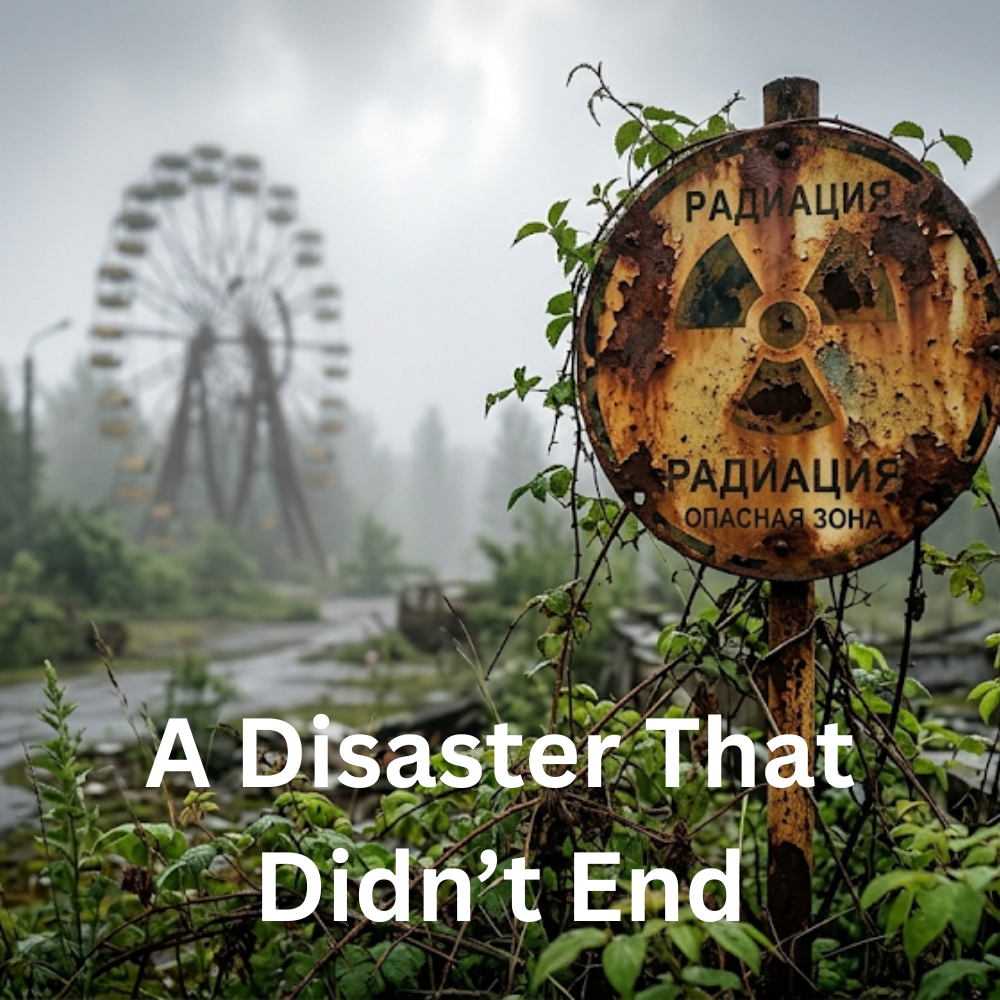
A large “ rejection zone ” was created where people still do n’t live
Indeed, some corridors remain unsafe, with estimates suggesting it could take hundreds to thousands of times for full recovery.
Why Scientists Are Still Studying Chernobyl
You might wonder — later so numerous times, what’s left wing to study?
Actually, a lot.
The point offers a rare occasion to observe long- term goods of radiation on life, commodities that ca n’t be recreated in labs.
- Understanding Radiation in Real Life
Radiation is frequently bandied in propositions. But Chernobyl shows what happens when it spreads into the terrain.
Scientists are studying
How radioactive patches bear in soil and water
How long impurity actually lasts
Which areas recover briskly — and why
This helps ameliorate nuclear safety planning worldwide.
Nature’s Surprising Comeback
This is presumably the most surprising part.
Despite high radiation situations, wildlife in the Chernobyl rejection zone is actually thriving.
What experimenters are seeing
Increase in creatures like wolves, deer, and catcalls
timbers growing back without mortal hindrance
Entire ecosystems performing again
Why is this passing?
Because humans left.
Indeed though radiation is dangerous, the absence of mortal exertion( stalking, pollution, construction) has allowed nature to recover in unanticipated ways.
But it’s not a “ perfect ” recovery
There are still concerns
inheritable mutations in some species
Reduced lifetime or reduplication in certain creatures
Long- term ecological goods still unclear
So it’s a blend of recovery and ongoing threat.
What Chernobyl tutored Us About Human Health
One of the biggest areas of exploration is how radiation affects people over time.
crucial literacy
Immediate exposure can beget acute radiation pattern, which was deadly for several workers
Long- term exposure is linked to conditions like thyroid cancer
Cerebral impact( fear, stress, relegation) is also significant
For illustration
Thousands of thyroid cancer cases were latterly linked to the disaster
numerous people still live with anxiety about radiation decades latterly
A practical takeaway
Think of it like pollution exposure in metropolises — except much further violence.
It shows why
Early evacuation
Clear communication
Long- term health monitoring
are absolutely critical during disasters.
How It Changed Nuclear Safety Forever
Chernobyl did n’t just affect Ukraine, it changed the world.
Before Chernobyl
Safety norms varied extensively
Governments frequently kept nuclear data secret
After Chernobyl
Global agreements were created for reporting nuclear accidents
Reactor designs were bettered
exigency response systems came more structured
For illustration
Countries now must notify others snappily if a nuclear accident occurs
Real- world impact
If an analogous accident happens moment
It would probably be detected briskly
Evacuations would be hastily
Damage could be reduced
That’s a direct result of assignments learned.
The “ Exclusion Zone ” as a Living Lab
The area around Chernobyl, the rejection zone, is now one of the most studied places on Earth.
Soil recovery patterns
Long- term environmental adaption
Interestingly, some fungi in the area can actually use radiation as energy, commodity scientists are exploring for future operations like space trips.
What This Means for the Future of Energy
At the moment, the world is again mooting nuclear power.
Why?
Because
It produces low carbon emigrations
It can help fight climate change
But Chernobyl remains a strong memorial of the pitfalls.
The balance looks like this
Pros of nuclear energy
Clean energy source
Reliable power generation
enterprises
Rare but disastrous accident
Long- term radioactive waste
Chernobyl helps scientists and policymakers weigh these trade- offs more really.
A Simple Way to Understand It
Think of Chernobyl like a painful but important assignment.
Just like
A major road accident leads to better business rules
An epidemic improves healthcare systems
Chernobyl forced the world to reevaluate how dangerous technologies are managed.
What We Can Take Down tête-à-tête
Indeed if you’re not a scientist, there are some simple perceptivity
Nature is flexible but not insurmountable
mortal miscalculations can have veritably long- term consequences
Preparedness matters further than response
And perhaps the biggest one
We frequently only learn deeply after a commodity goes wrong.
Conclusion
A Quiet, Ongoing Story
Chernobyl is n’t just a historical tragedy, it’s an ongoing story.
Experimenters continue to visit, measure, observe, and question. Every time adds new understanding — not just about radiation, but about life itself.
Still, that abandoned place is still tutoring the world — quietly, but forcefully, If you suppose about it.
And perhaps that’s what makes it such an important moment indeed.