
Training for Global Marathons from India: What It Really Takes
Every time, thousands of Indian runners dream of standing at the launch lines of iconic races like the Boston Marathon, Tokyo Marathon, and London Marathon. It sounds glamorous — a transnational trip, cheering crowds, that can descend the finisher’s order.
But behind that moment is a veritably different story.
Still, you’re not just preparing for 42, If you’re training from India.195 km. You’re battling heat, moisture, broken roads, and occasionally indeed slapdash tykes . And yet, further Indian runners are making it to these global stages than ever ahead.
So what does it actually take?
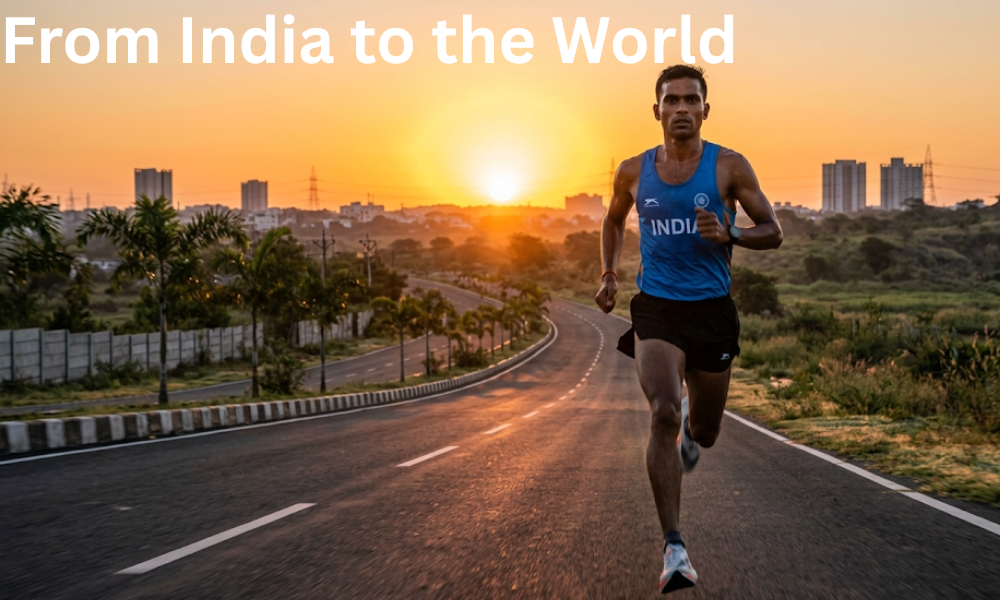
Why Global Marathons Are getting a Big Deal in India
handling is n’t just a hobbyhorse presently it’s getting a life.
The rise of the Abbott World Marathon Majors( a series of seven prestigious races worldwide) has created a new thing for serious runners: complete all of them and earn a special order. Naturally, Indian runners are joining the race.
According to recent trends, the Boston and London races are especially popular among Indians, with numerous planning their monthly schedules around these events.
And alleviation is far and wide. Indian athletes like Sawan Barwal breaking long- standing records have made the dream feel more attainable.
The Reality Training in India Is Not Easy
Let’s be honest — India is n’t erected for marathon training.
- Weather Is Your Biggest Opponent
still, you formerly know, If you’ve ever stepped outdoors in May.
Temperatures can cross 40 °C
moisture in metropolises like Mumbai and Chennai makes breathing harder
Indeed early mornings feel exhausting
Some runners actually start their long runs at 3 am just to avoid the heat.
And long runs? They can go up to 30 – 35 km, taking 3 – 4 hours. Imagine doing that before daylight.
- structure Challenges
Running outside in India can feel like a survival game.
Uneven roads and potholes
Business and lack of rambler space
Poor lighting in numerous areas
As one runner described it — it’s like playing a real- life interpretation of a running videotape game, except you do n’t get an alternate life.
- Monsoon Complications
Rain sounds romantic — until you’re running in soaked shoes.
Slippery roads
Waterlogging
Increased threat of injury
For runners training for afterlife races like Chicago or New York, peak training frequently coincides with the thunderstorm. That makes the effects indeed tougher.
Timing Matters Choosing the Right Marathon Season
One of the smartest effects Indian runners do is pick races strategically.
Spring Marathons( More Option)
Tokyo Marathon
Boston Marathon
London Marathon
Why they work
Training begins after summer
Peak training happens in downtime( stylish rainfall in India)
Original races like the Tata Mumbai Marathon help make instigation
This makes medication smoother and further pleasurable.
Afterlife Marathons( further Challenging)
Berlin Marathon
Chicago Marathon
New York City Marathon
Why they’re harder
Training thresholds during peak summer
Continues through thunderstorm
Recovery becomes delicate
numerous runners say preparing for afterlife races from India feels doubly as hard.
What a Real Marathon Training Plan Looks Like
Still, “ I’ll just run many times a week, ” that wo n’t cut it, If you’re thinking.
A full marathon needs at least 6 months of structured training.
Daily Structure
A typical plan includes
3 – 4 running sessions
1 long run( gradationally adding distance)
1 speed or interval session
1 strength training session
Rest and recovery days
Skipping any of these? You’ll feel it on race day.
Types of Runs You’ll Do
Easy runs make abidance
Long runs Prepare your body for distance
Tempo runs Ameliorate speed

Intervals Boost stamina
Each run has a purpose. It’s not arbitrary.
Practical Tips for Indian Runners
This is where effects get real.However, you need to acclimatize, If you’re training in India.
- Run Early( veritably Early)
Do n’t aim for 7 am. Aim for 5 am — or earlier in summer.
- Hydration Is Everything
Carry water or plan routes with stops
Add electrolytes
Do n’t stay until you feel thirsty
- Choose Safer Routes
Parks
Stadium tracks
Domestic areas
Avoid high- business roads whenever possible.
- Use the Gym Dashingly
When rainfall gets extreme
Do routine runs
Focus on strength training indoors
It’s not cheating, it’s survival.
- make a handling Community
One uncredited advantage in the India community.
During peak running season( October to February), you’ll find
Running groups
Marathon training clubs
Safer early morning surroundings
This makes a huge difference in thickness and provocation.
The Mental Game More Important Than You suppose
Running a marathon is n’t just physical.
It’s internal.
There will be days when
You do n’t feel like waking up
The heat drains you
Progress feels slow
And yet, you go out and run.
That’s what separates someone who dreams about marathons from someone who finishes one.
A Small Reality Check
A half marathon? You can manage with inconsistent training.
A full marathon?
Not forgiving at all.
still, your body will remind you — loudly — later 30 km, If you skip long runs or ignore recovery.
What Makes It Worth It
After everything — the sweat, the early mornings, the frustrating runs, why do people still do it?
Because nothing compares to
Crossing the finish line in a foreign megacity
Hearing crowds cheer your name
Realising your body just did commodity inconceivable
And perhaps, just perhaps, proving to yourself that you’re able of further than you allowed
Conclusion
The Quiet verity
Training for global marathons from India is n’t glamorous.
It’s sweaty. It’s inconvenient. It’s occasionally frustrating.
But that’s exactly what makes it important.
Because when you eventually stand at the launch line in Boston or London, you’re not just another runner.
You’re someone who trained through heatwaves, dodged business, ran in the rain — and still showed up.
And that changes how you run the race. Not briskly, inescapably. But stronger.