





Fertilizer Price Hike in India – Rising Fertilizer Costs Increase Financial Burden on Farmers
Agriculture is the backbone of India’s economy, and fertilizers play an essential role in improving crop productivity and maintaining soil fertility. However, rising fertilizer prices have become a growing concern for farmers, particularly those who depend on affordable agricultural inputs for their livelihoods. Increasing cultivation expenses, changing market conditions, and uncertainty over fertilizer availability are creating additional challenges for the agricultural sector.
A recent Gujarati newspaper report highlights concerns surrounding the prices of urea and other fertilizers. The report discusses the difference between subsidized fertilizer prices and the actual prices farmers pay in the market, raising important questions about affordability, agricultural expenses, and government support.
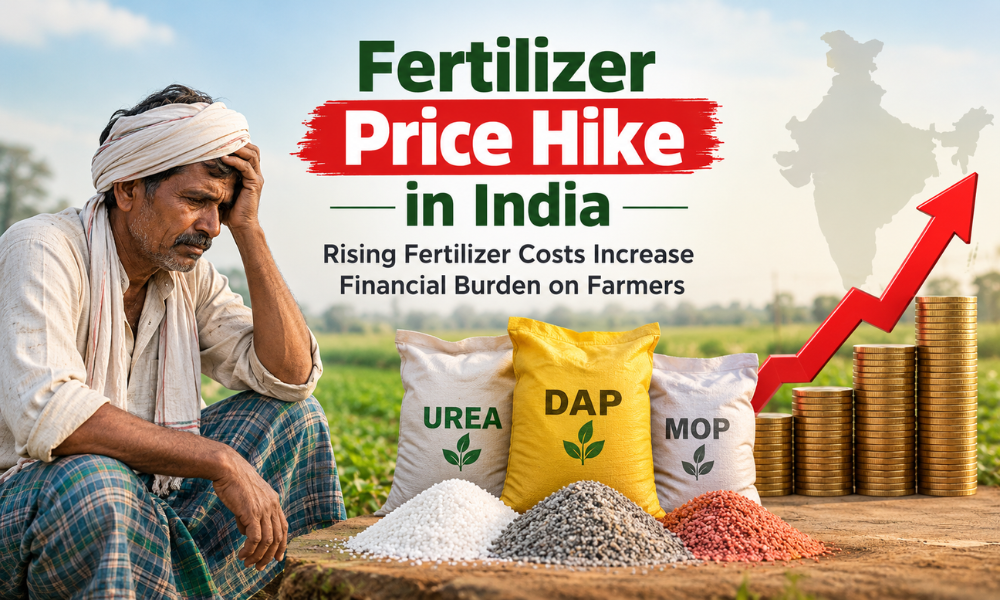
Fertilizer Price Hike Creates Financial Pressure on Farmers
The fertilizer price hike in India has become an important issue for the farming community. Farmers rely on fertilizers to maintain crop growth, improve agricultural productivity, and achieve better yields. Even a small increase in fertilizer prices can significantly affect cultivation expenses, especially for small and marginal farmers.
According to the newspaper report, a 50 kg bag of urea fertilizer has a base price of approximately ₹1,481, while the government provides a subsidy of around ₹3,814.50, bringing the reported farmer selling price to approximately ₹266.50.
The report also mentions that urea fertilizer contains nitrogen, an essential nutrient for plant growth. Farmers frequently use nitrogen-based fertilizers to improve crop development, but excessive application can negatively affect soil health and long-term agricultural productivity.
Although government subsidies help maintain affordable fertilizer prices, farmers remain concerned about the overall cost of agricultural inputs.
Fertilizer Prices and Government Subsidies in India
The Indian government provides fertilizer subsidies to reduce the financial burden on farmers and support agricultural production. These subsidies help bridge the gap between fertilizer production or procurement costs and the prices charged to farmers.
The newspaper report provides the following approximate figures for different fertilizers:
| Fertilizer Name | Base Price | Government Subsidy | Farmer Selling Price |
| Urea | ₹4,081.00 | ₹3,814.50 | ₹266.50 |
| NPK | ₹4,161.87 | ₹1,711.87 | ₹2,450.00 |
| Mahadhan NPK | ₹3,647.05 | ₹1,147.05 | ₹2,500.00 |
| DAP | ₹2,888.30 | ₹1,538.30 | ₹1,350.00 |
Note: The figures are based on the supplied newspaper clipping, which reports prices for 50 kg fertilizer bags. They are historical reported figures, not verified current market prices. The urea base-price figure is presented as approximately ₹4,081 to reconcile the stated subsidy and selling price.
These figures demonstrate the importance of government subsidies in making fertilizers accessible to farmers. Without financial assistance, fertilizer expenses could become significantly higher, particularly for farmers cultivating large agricultural areas.
Why Are Fertilizer Prices Increasing in India?
Several factors can contribute to rising fertilizer prices across the country.
- Increasing Raw Material Costs
Fertilizer manufacturing depends on raw materials such as natural gas, ammonia, phosphate rock, and potash. Changes in international commodity prices can increase production expenses.
- Transportation and Distribution Expenses
Fertilizers must be transported from manufacturing facilities and ports to agricultural markets. Higher transportation, fuel, and logistics costs can influence overall fertilizer expenses.
- Dependence on Imports
India depends on international suppliers for several fertilizer raw materials and finished products. Global supply disruptions and currency fluctuations can affect procurement costs.
- Growing Agricultural Demand
Fertilizer demand increases during major agricultural seasons. Supply shortages or distribution delays during these periods can create difficulties for farmers.
These factors can influence fertilizer costs, although their effects differ across products and subsidy arrangements.

Impact of Rising Fertilizer Costs on Indian Agriculture
Rising fertilizer expenses can directly affect the financial stability of farmers. Agricultural production already involves significant investments in seeds, irrigation, machinery, pesticides, labor, and transportation.
When fertilizer prices increase, farmers may need additional working capital to maintain normal agricultural activities.
Small and marginal farmers are particularly vulnerable because they often operate with limited financial resources. Higher cultivation expenses can reduce profit margins and increase dependence on agricultural loans.
Another concern is the possibility of reduced fertilizer application. Farmers facing financial difficulties may purchase smaller quantities of fertilizers, potentially affecting crop growth and productivity.
However, fertilizer use must also be balanced. Excessive application does not necessarily improve yields and may damage soil quality.
Farmers Demand Higher Fertilizer Subsidies
The newspaper report highlights concerns about fertilizer affordability and calls for stronger government support.
Farmers are seeking measures that can help reduce agricultural input expenses and protect their financial interests.
Increasing fertilizer subsidies, ensuring timely availability, and improving distribution systems are among the measures that could provide relief.
Transparent pricing is equally important. Farmers should have access to accurate information about official fertilizer prices, government subsidies, and authorized selling rates.
Such measures can help prevent overcharging and ensure that government assistance reaches agricultural communities effectively.
Importance of Balanced Fertilizer Usage
While fertilizer affordability remains important, balanced nutrient management is equally necessary for sustainable agriculture.
Farmers should consider soil testing before applying fertilizers. Understanding soil nutrient requirements can help avoid unnecessary fertilizer expenses while maintaining crop productivity.
Using organic manure, compost, and recommended combinations of nitrogen, phosphorus, and potassium can also support long-term soil fertility.
Agricultural experts generally recommend applying fertilizers according to crop requirements, soil conditions, and local agricultural guidance.
Efficient fertilizer management can reduce input costs and improve the sustainability of farming operations.
Conclusion
The fertilizer price hike in India raises important concerns about agricultural affordability, production expenses, and farmers’ financial security. The newspaper report highlights how government subsidies influence fertilizer prices and why farmers continue to demand greater support.
Maintaining affordable fertilizer supplies, improving subsidy distribution, and promoting balanced nutrient management are essential for strengthening India’s agricultural sector.
As farmers face increasing cultivation expenses, coordinated efforts from government agencies, fertilizer suppliers, and agricultural institutions can help protect farm profitability and support sustainable agricultural development.
Ensuring that fertilizers remain affordable and accessible will be crucial for the long-term growth of Indian agriculture.