A Quiet Coffee Revolution Brewing in Mizoram
Still, your mind presumably goes straight to Coorg or Chikmagalur, If you suppose of coffee in India. But far down in the hills of Mizoram, commodity still instigative is passing.
In cafés put away into the pitches of Aizawl, a new generation of entrepreneurs is reimagining coffee — not just as a drink, but as a story of identity, community, and ambition.
This is n’t a loud incipiency smash. It’s slower, more particular. And that’s exactly what makes it intriguing.
The Rise of Coffee in a Tea- Loving Region
For times, Northeast India has been known more for tea than coffee. But the effects are changing.
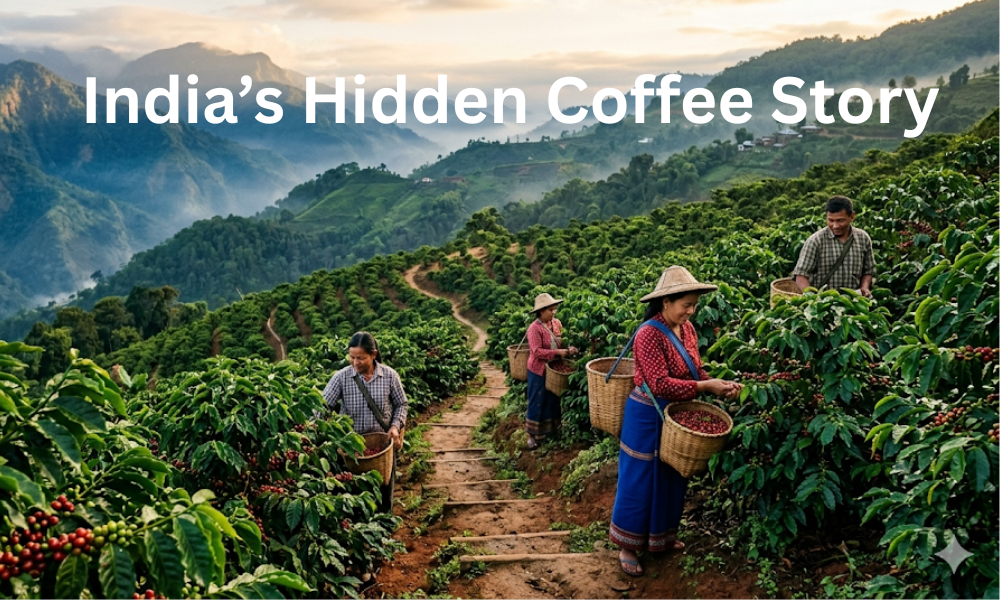
Coffee civilization has been steadily growing across the region, including Mizoram, thanks to its high- altitude terrain and favourable climate.
What makes Mizoram’s coffee special?
overgrown in lower batches
frequently organic by dereliction
Light, fruity, and lower bitter than South Indian coffee
Deeply connected to original husbandry practices
Unlike marketable colonies, this isn’t a mass product. It’s near to craft.
And that “ craft ” mindset is now shaping cafés and businesses in Aizawl.
From Small Cafés to Big Dreams
Walk through the Aizawl moment and you’ll notice commodity differences — cafés are n’t just purlieu spots presently.
They’re getting
Workspaces
Artistic capitals
incipiency launchpads
The megacity itself has long been a marketable and artistic centre in the region, evolving from a small village into a crucial civic mecca.
Now, youthful entrepreneurs are adding a new subcaste to that identity.
Why cafés?
Because they’re accessible.
Starting a café is one of the many business ideas that
Does n’t bear huge capital
Allows creative expression
Connects directly with people
And in a close- knit society like Mizoram, word- of- mouth peregrination presto.
The Entrepreneurial Spirit embedded Yet ultramodern
What stands out about Mizoram’s coffee entrepreneurs is their balance.
They are
Deeply embedded in original culture
Open to global trends
concentrated on community, not just profit
numerous of them are first- generation entrepreneurs. In a state where small businesses( MSMEs) play a major part in the frugality, this shift is significant.
A typical trip looks like this
A youthful person studies or workshop outside Mizoram
Gets exposed to café culture in metropolises like Delhi or Bangalore
Returns home with an idea
Starts small — occasionally with just a many tables
There’s no “ late success ” then. It’s gradual growth.
Coffee as a Cultural Experience
Then Mizoram stands piecemeal.
Coffee then is n’t just about caffeine — it’s about experience.
In some corridors of the state, people indeed blend tea and coffee into a single drink, creating a unique original flavour tradition.
That tells you commodity important
This region does n’t just copy trends — it adapts them.
What you might find in a Mizo café
Locally sourced sap
Minimalist innards with rustic rudiments
Soft music, frequently original
A slower pace — no rush to leave
It’s the kind of place where people sit, talk, and stay.
Tourism Is Fueling the Coffee Scene
Tourism is playing a big part in this growth.
As further trippers
explore Northeast India, metropolises like Aizawl are seeing increased footfall. Cafés and bakeries have become an important corridor of this ecosystem.
For callers, these cafés offer
A taste of original life
A comfortable pause in a hilly megacity
A window into Mizo culture
For entrepreneurs, this means occasion.
Challenges No One Addresses About
Of course, it’s not all smooth.
Running a café in Mizoram comes with its own set of challenges
1. Logistics and force issues
Transport dislocations can affect everything — from milk to coffee sap. In fact, force chain issues have preliminarily led to deaths of essential particulars in the state.
2. Limited request size
Aizawl is n’t a metro megacity. The client base is lower, and growth is slower.
3. High dependence on significances
numerous café constituents still come from outside the state.
4. structure constraints
While perfecting, connectivity and scaling remain enterprises.
But interestingly, these challenges are also shaping how businesses operate — slender, smarter, more original.
What Makes This Story Different
Let’s be honest — India has plenty of café startups.
So what makes Mizoram’s story worth paying attention to?
It’s not driven by hype
No flashy backing rounds. No aggressive expansion.
It’s deeply original
These businesses reflect the people, not just the request.
It’s community-first
Regular guests frequently come as musketeers, not just for profit.
It’s sustainable by nature
Small- scale, aware growth — not collapse culture.
Practical Assignments for Anyone Wanting to Start commodity
Indeed if you’re sitting in Ahmedabad or Mumbai, there’s a commodity to learn from Mizoram’s coffee entrepreneurs.
1. Start small, but start
You do n’t need a perfect setup. Numerous began with limited coffers.
2. figure for your community
rather than chasing trends, understand your people.
3. Let your space tell a story
A café is n’t just about coffee — it’s about how people feel there.
4. Be patient
Growth can be slow, and that’s okay.
Conclusion
A Quiet Shift Worth Noticing
Mizoram’s coffee story wo n’t trend on Instagram overnight.
But perhaps that’s the point.
In a world chasing speed, this is a memorial that some effects grow more sluggishly — like good coffee, and good ideas.
And nearly in the hills of Aizawl, someone is presumably opening a small café right now not allowing for scale or investors, just hoping people will walk in, sit down, and stay a while.
That’s not just business.
That’s a commodity further mortal.