
Iran Is Running Out of Oil Storage — Why It Could Impact Fuel Prices Soon
Iran finds itself in the midst of an escalating oil crisis, but this crisis doesn’t stem from a lack of oil. Rather, it’s due to a surplus of oil that can’t get out of the country due to sanctions and delayed shipments. Iran is running out of places to store its excess oil, which means that if the trend persists, it may need to reduce its oil output or stop certain oil fields from producing.
Storage Issues Leading to a Crisis in Iran
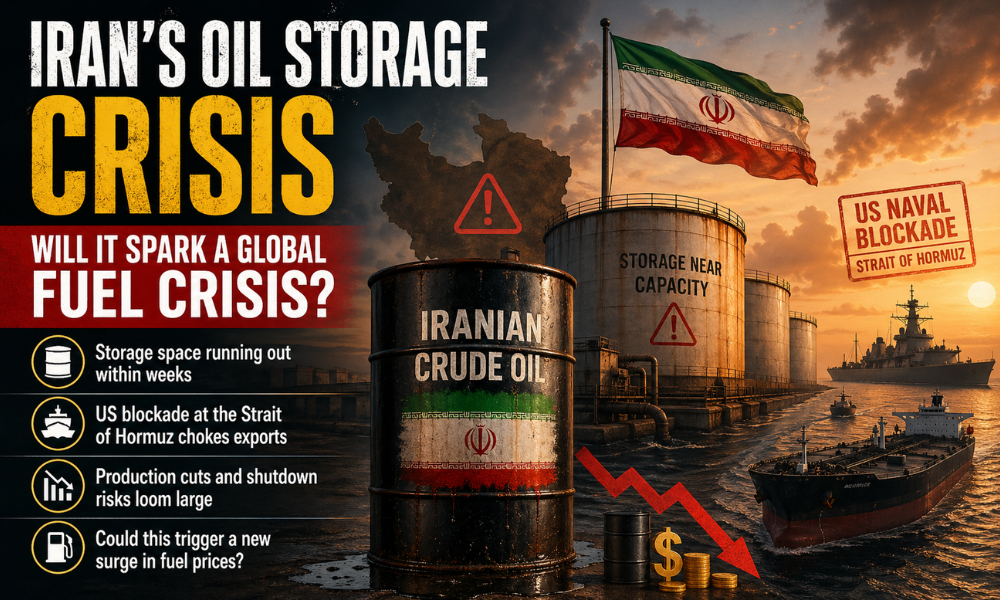
The current issue Iran is facing is not a shortage of oil but rather having an abundance of it with nowhere to put it. The reduction in Iranian oil exports means that oil that would otherwise leave the country is being stored within the country itself, even by means of storing it on ships. According to reports from Kpler, Iran has just 12-22 days worth of available storage space left before reaching full capacity and hitting its limit. Onshore storage capacity has increased significantly in the past few weeks, bringing it to nearly 49 million barrels, out of a total of 86 million. Not all storage space is usable, though, due to restrictions. The inflow of oil coming from the oil wells and the lack of export capability means the Iranian oil supply is filling up fast.
Strait of Hormuz Blockade: The Geopolitical Move Shaking Oil Flows
Disruption to Iran’s oil flow through the Strait of Hormuz, an important part of the global oil trade, has been at the centre of some of the latest geopolitical shocks. A naval blockade involving US-led Coalition ships directed against Iranian ports and shipping has caused major changes to the movement of oil cargoes on tankers, making it almost impossible for Iran to sell any crude oil at all. Under the direction of former President Trump, the blockade has substantially restricted Iran’s access to international oil markets; prior to these restrictions, Iran was exporting approximately 2 million barrels of crude oil per day, but since then this has fallen dramatically, with very few cargoes being shipped after about the middle of April. Even attempts by the Iranian government to get around the blockade by using older, refurbished vessels such as the Nasha have only resulted in temporary upturns in shipments of crude oil. This collapse of the outgoing oil flows from Iran has created a backlog of crude oil at Iranian facilities and has limited the methods in which the country is able to transport its crude oil. This geopolitical action has not only negatively affected Iran’s oil exports, but has also severely affected all aspects of the Iranian oil supply system.
Risks of Shutdown or Production Cuts due to Excess Capacity: Consequences of Storing More Oil than Possible
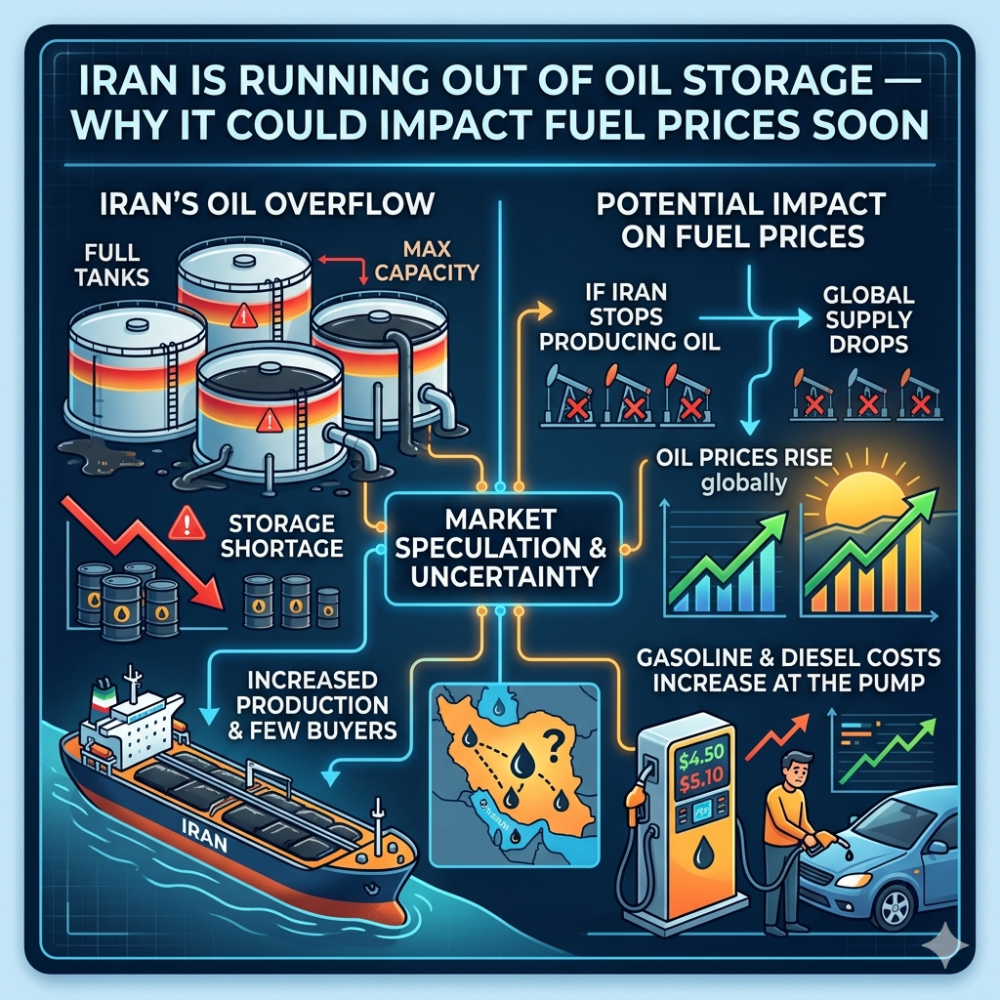
Oil production is a challenging decision for ultra-heavy oil producers as their storage fills up – either cut production or risk damaging their infrastructure. In Iran, oil producers have started reducing production levels and have reportedly cut by as much as 2.5 million barrels per day recently. Based on analysts’ information, continuing production reductions may drop to approximately 1.2 million to 1.3 million barrels per day in the near future. According to Goldman Sachs, the reason these cuts are being made is due to the inability of the market to export oil as well as excessive storage capability. Therefore, when operators experience a massive undersupply of crude oil in the short term, they will reduce production levels long before they run out of storage and create bottlenecks in their systems. If these deep reductions or forced shutdowns occur, there could be several ramifications of the shutdown which could include physical damage to the well(s) as well as interruptions to future production capacity. Restarting production after a shutdown may be a logistical problem, therefore the effects of excess oil with no storage capacity will impact Iran’s long-term production stability.
Global Impact: Is This Crisis Likely to Trigger a New Increase in Fuel Prices?
As immediate impacts of the crisis are being felt inside Iran, the problem may go far beyond its borders to impact the global oil markets. As the export volumes fall drastically, and the oil production capacity falls, it will eventually lead to the tightening of oil supplies in case the blockage lasts. However, the situation is further complicated by the fact that other countries in the region such as Saudi Arabia, Iraq, Kuwait, and the United Arab Emirates have decreased their oil production capacities due to the current war. Even though Iran’s financial losses are expected to be fully realized after a couple of months as a result of delays in payment for exported crude oil, the oil shortage in the global market is already taking place. As evidenced by attempts to send Iranian oil to China by rail transportation, the process is not only time-consuming but also expensive compared to seaborne transportation. It may lead to further price increases in case the supply shortage persists without any decline in demand.
Conclusion
The oil storage problem in Iran illustrates just how swiftly things can change when there is tension among nations. Because of blocked exports, coupled with overflowing storage facilities, Iran might be forced into producing less oil, affecting its output in the weeks ahead. Although the immediate implications seem to apply to Iran alone, this problem could potentially have far-reaching consequences for the world at large if not resolved soon.