
Grand Kalash Yatra Organized in Nenitavad on the Occasion of Shitala Ashtami, Hundreds of Women Participate In India
A grand and devotional Kalash Yatra was organized in Nenitavad village on the auspicious occasion of Shitala Ashtami. The religious event witnessed the enthusiastic participation of hundreds of devotees, especially women, who gathered to celebrate the sacred festival with deep faith and devotion. Dressed in traditional attire, women carried holy Kalash pots on their heads while singing devotional songs, creating a spiritually vibrant atmosphere throughout the village.
The Kalash Yatra was organized as part of the celebrations dedicated to Goddess Shitala, who is worshipped for protection from diseases and for the well-being of families and communities. From early morning, devotees began arriving at the starting point of the procession, and the entire village was filled with excitement and religious enthusiasm.
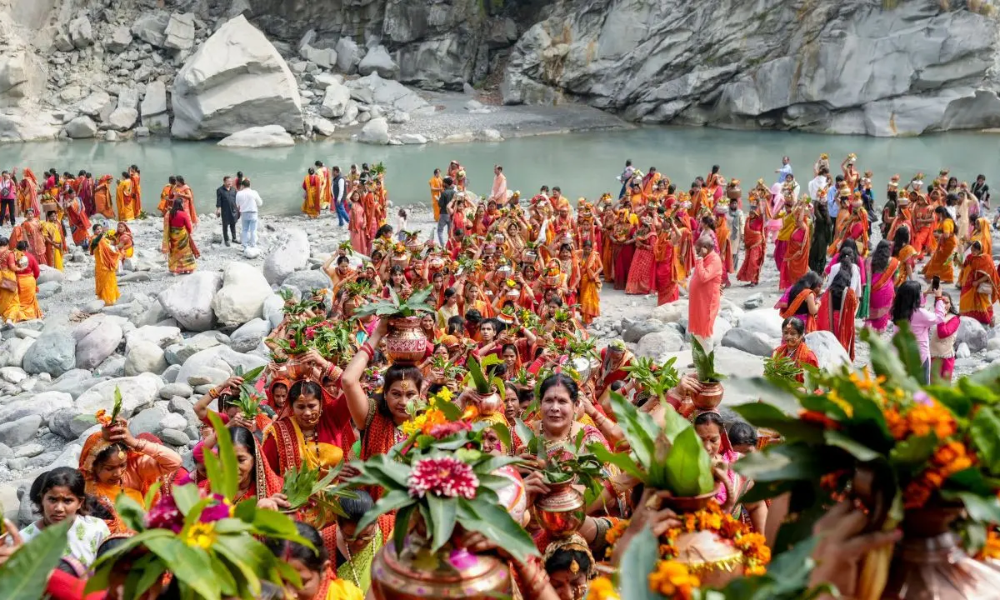
Devotional Procession Filled with Faith and Tradition
The Kalash Yatra began with traditional rituals and prayers performed by priests and village elders. Women carrying decorated Kalash pots filled with sacred water, topped with mango leaves and coconuts, walked together through the main streets of the village. Devotional songs and chants praising Goddess Shitala echoed throughout the area, making the procession both spiritual and culturally rich.
Participants wore colorful traditional sarees and ornaments, adding a vibrant visual element to the procession. The sight of hundreds of women walking together in devotion symbolized unity, faith, and the preservation of cultural traditions.
Residents of the village and nearby areas gathered along the route to witness the procession. Many people welcomed the participants with flowers and prayers, while others offered drinking water and refreshments to the devotees.
Participation of Hundreds of Women
One of the most remarkable aspects of the event was the large number of women who actively participated in the Kalash Yatra. Women from different age groups, from young girls to elderly devotees, joined the procession with great enthusiasm.
Holding the sacred Kalash on their heads, the participants sang traditional bhajans and religious songs dedicated to Goddess Shitala. The entire environment reflected devotion, discipline, and spiritual energy.
The event also served as an opportunity for women to come together and express their faith collectively. For many participants, the Kalash Yatra was not just a ritual but a symbol of devotion and gratitude toward the goddess.
Rituals Performed at the Sacred Riverbank
After moving through the village streets, the Kalash Yatra finally reached a sacred riverbank area where the concluding rituals were performed. Devotees gathered near the water and offered prayers to Goddess Shitala.
Many participants took a holy dip in the river as part of the ritual purification process. Priests conducted traditional prayers, recited sacred mantras, and performed Aarti in honor of the goddess.
The riverbank became a center of devotion as hundreds of devotees prayed together for peace, health, and prosperity. The combination of natural surroundings and religious chanting created a powerful spiritual environment.
Cultural and Religious Significance of Shitala Ashtami
Shitala Ashtami holds great importance in Hindu tradition. It is a festival dedicated to Goddess Shitala, who is believed to protect devotees from diseases and epidemics. In many parts of India, especially in rural communities, people observe this day with fasting, special prayers, and religious gatherings.
Devotees offer food, flowers, and prayers to the goddess and seek blessings for the health and well-being of their families. The festival also emphasizes cleanliness, devotion, and spiritual discipline.
In villages like Nenitavad, such celebrations strengthen cultural identity and keep traditional customs alive for future generations.
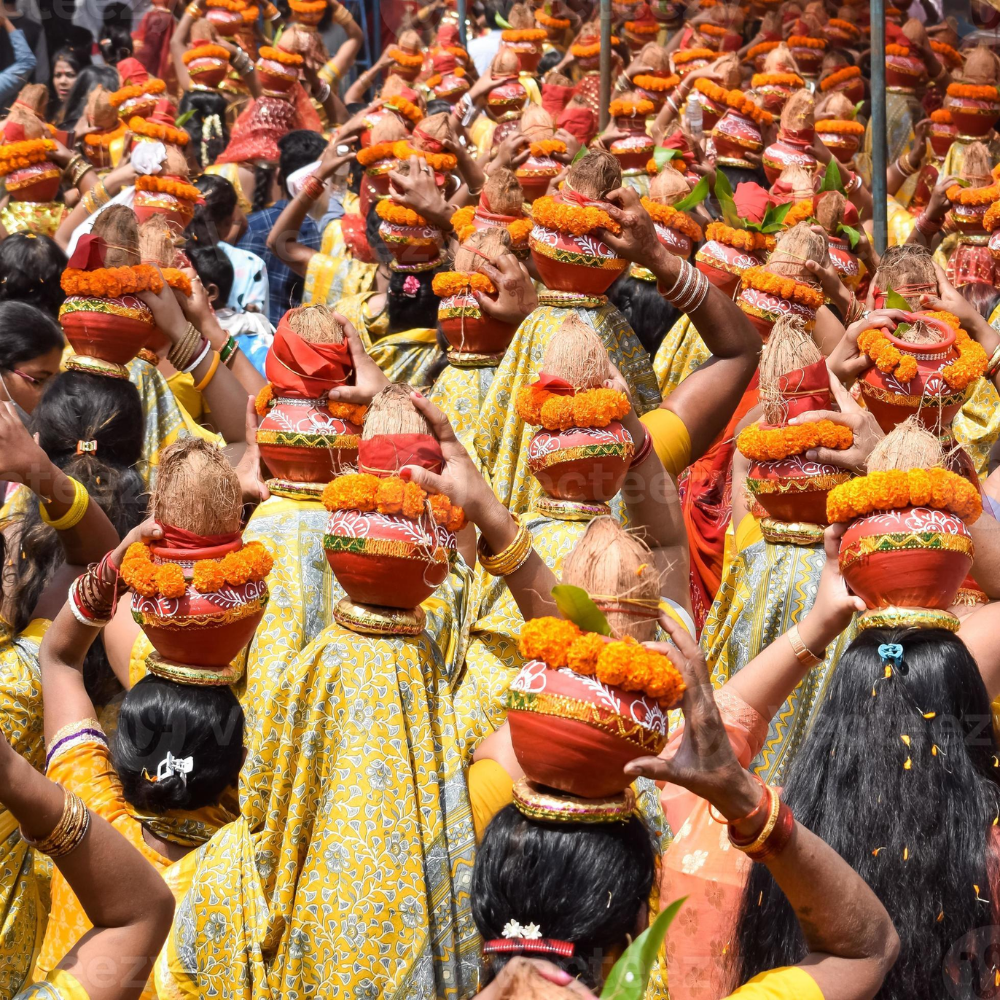
Village Celebrates with Festive Spirit
The Kalash Yatra turned the entire village into a festive and spiritual center. Streets were decorated with flags and colorful rangoli designs, and the atmosphere was filled with devotional music and chants.
Local residents and volunteers played an important role in organizing the event smoothly. They helped manage the crowd, guided participants along the route, and ensured that the rituals were conducted peacefully.
Several villagers also arranged drinking water and prasad distribution for the devotees participating in the procession.
Role of Youth and Community Volunteers
Young volunteers from the village actively participated in organizing and managing the event. Their efforts ensured that the procession moved in an orderly manner and that all participants remained safe and comfortable.
Community leaders and local organizers also supported the event, helping coordinate different aspects of the celebration such as security, route planning, and ritual arrangements.
Such cooperation between villagers highlights the strong sense of community and unity that exists in rural cultural celebrations.
Strengthening Social and Cultural Bonds
Events like the Kalash Yatra are not only religious gatherings but also social occasions that bring people together. They provide an opportunity for villagers to celebrate their traditions collectively and strengthen relationships within the community.
The participation of women in large numbers also highlights the important role they play in preserving cultural and religious traditions. Their devotion and dedication make such events vibrant and meaningful.
For younger generations, witnessing and participating in these rituals helps them understand the cultural heritage of their community.
Conclusion
The grand Kalash Yatra organized in Nenitavad on the occasion of Shitala Ashtami became a remarkable example of devotion, tradition, and community unity. Hundreds of women participated with great enthusiasm, carrying sacred Kalash pots and singing devotional songs throughout the procession.
The event not only honored Goddess Shitala but also strengthened the spiritual and cultural fabric of the village. Through such celebrations, communities continue to preserve their traditions while spreading messages of faith, harmony, and collective devotion.
The Kalash Yatra concluded peacefully with prayers for health, prosperity, and happiness for all, leaving behind a strong sense of spiritual fulfillment among the participants and villagers.