
India’s Chilli Export Boom: China Emerges as Biggest Buyer from Guntur Mirchi Yard
India’s spice industry continues to strengthen its global presence, and the chili trade is one of the most significant contributors to this success. In recent years, China has emerged as one of the biggest buyers of Indian dry red chilies, particularly from Asia’s largest chili trading hub, the Guntur Mirchi Yard. The growing demand from Chinese food processing industries and spice manufacturers has significantly boosted chili exports from India.
India is already known as the world’s largest producer and exporter of chillies, and markets like the Guntur Mirchi Yard play a central role in connecting Indian farmers with international buyers. With China importing large quantities of chilies every year, the market has become an important link in the global spice supply chain.
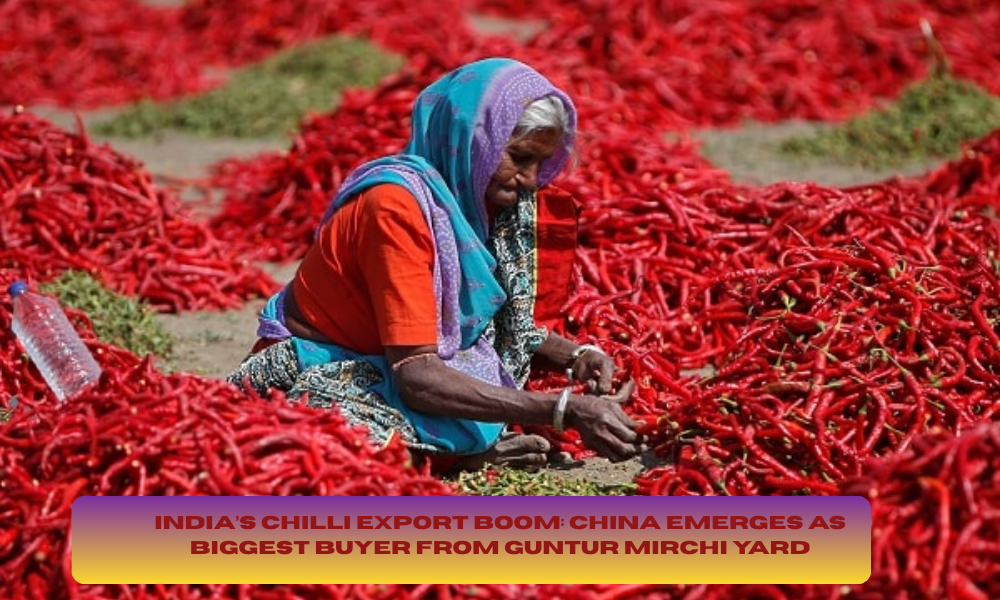
Asia’s Largest Chilli Market
The Guntur Mirchi Yard in Guntur is widely regarded as **Asia’s biggest dried red chili market**. The market handles massive volumes of chillies throughout the year and attracts traders, exporters, and buyers from across India and abroad.
Spread across a large trading area, the yard serves as the primary auction and distribution center for chillies produced in southern India. Farmers from several districts bring their produce to this market where it is sorted, graded, and sold through auction systems. The prices discovered at Guntur often influence chili prices in other markets across the country.
Thousands of bags of chillies arrive daily during peak season, creating a vibrant trading environment. The market has developed a reputation for its efficient trading system and large-scale operations, making it one of the most important agricultural commodity markets in Asia.
Popular Chilli Varieties Traded in the Market
The Guntur market is known for trading several popular varieties of chilies that are widely used in both domestic and international cuisines. Some of the most sought-after varieties include:
Guntur Sannam (S4)—known for its bright red colour and strong flavour
Teja Chilli – famous for high pungency and export demand
Byadgi Chilli – valued for colour and moderate heat
No. 5 Chilli– widely used in spice blends and powder production
Super-10 Chilli – used in large-scale food processing industries
These chillies are exported to many countries where they are used in cooking, sauces, spice blends, and packaged foods. Their rich color, strong aroma, and high capsaicin content make them popular among international buyers.
China Becomes the Biggest Customer
In recent years, China has emerged as one of the largest customers for Indian chillies. Importers from China regularly purchase large quantities of dried red chilies from the Guntur market to meet the growing demand in the country’s food industry.
Chinese food processing companies use Indian chilies for a variety of purposes such as
* Production of chilli oil
* Manufacturing spicy sauces and seasonings
* Instant noodles and packaged foods
* Ready-to-eat meals
* Restaurant and catering supply chains
Although China produces chilies domestically, many Chinese manufacturers prefer Indian varieties due to their superior color and pungency levels. This has resulted in a steady increase in imports from India over the years.
The rising popularity of spicy foods in China and the expansion of the country’s processed food industry have further boosted demand for Indian chillies.
India’s Position in the Global Chilli Trade
India is widely recognized as the **largest producer, consumer, and exporter of chilies in the world**. Major chili-producing states include:
* Andhra Pradesh
* Telangana
* Karnataka
* Maharashtra
* Tamil Nadu
Among these, Andhra Pradesh has long been a leading producer and exporter. The chili markets in Guntur handle a large share of the country’s export trade.
Indian chilies are exported to many international destinations, including China, Bangladesh, Vietnam, Thailand, Sri Lanka, and the United States. The export demand from these countries has helped strengthen India’s position as a dominant player in the global spice market.
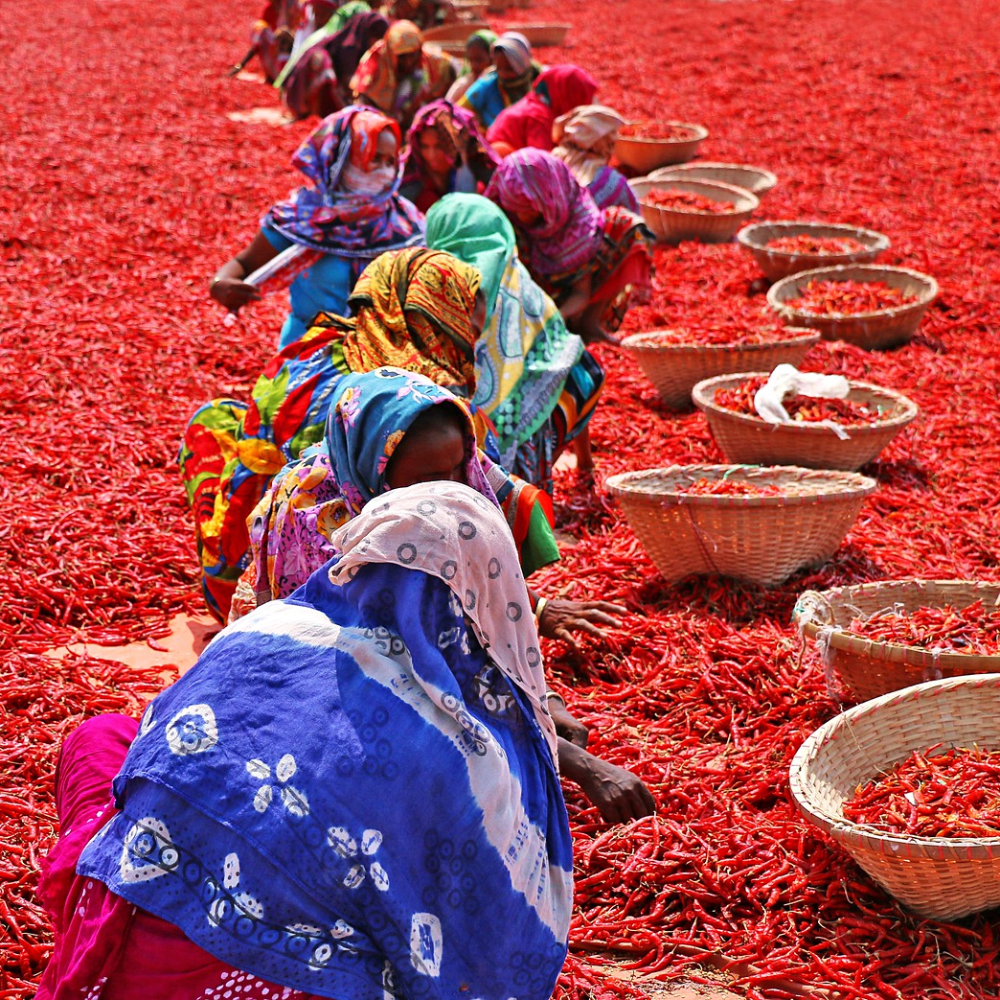
Rising Export Demand and Price Impact
Strong international demand, especially from China and Southeast Asian countries, has had a noticeable impact on chili prices in India. When large export orders are placed, traders compete to secure supplies, which often leads to higher prices for farmers.
Farmers in districts around Guntur benefit when export demand increases. Higher market prices improve their income and encourage farmers to cultivate chilies on a larger scale in the following seasons.
However, chili prices can also fluctuate depending on factors such as
* Crop production levels
* Weather conditions
* Export demand
* Government policies
* International competition
Despite these fluctuations, the global demand for Indian chillies remains strong.
Role of Indian Spice Exports in the Economy
The spice industry is one of the most valuable segments of India’s agricultural export sector. India exports more than 50 varieties of spices to countries around the world. Chillies represent a significant share of this trade because of their widespread use in global cuisines.
The chili export industry supports millions of people across the supply chain, including
* Farmers
* Traders
* Transport workers
* Processing units
* Export companies
Markets like the Guntur Mirchi Yard serve as a crucial link connecting these stakeholders with international buyers.
Competition and Future Challenges
Although India dominates the global chili market, competition from other producing countries such as China, Vietnam, and Thailand is increasing. Some of these countries are expanding their chili cultivation and improving their processing capabilities.
Another challenge for exporters is maintaining strict quality standards required by international markets. Buyers often demand consistent color, pungency levels, and pesticide-free produce.
To remain competitive, Indian exporters are focusing on improved grading, better storage facilities, and modern processing techniques.
A Global Hub for Chilli Trading
The Guntur Mirchi Yard has evolved into a global hub for chili trading. The market plays a vital role in ensuring that Indian chillies reach international buyers efficiently.
From the farms of Andhra Pradesh to food factories and kitchens across the world, Indian chilies travel thousands of kilometers to add flavor and heat to countless dishes.
With China continuing to import large quantities of chilies, traders expect export demand to remain strong in the coming years. This growing trade relationship highlights the importance of India’s chili markets in the global spice industry.
As international demand expands, the Guntur Mirchi Yard is likely to remain a central pillar of the chili trade, supporting farmers, exporters, and the broader Indian spice economy.
Conclusion
The growing demand for Indian red chilies in global markets highlights the importance of the Guntur Mirchi Yard as a major hub in the international spice trade. With China emerging as one of the largest buyers, exports from this market have gained significant momentum in recent years. The strong color, pungency, and quality of Indian chilies continue to attract global food manufacturers and spice traders.
As international demand continues to rise, the chili trade is expected to bring better opportunities for farmers, traders, and exporters across India. Markets like the one in Guntur will remain central to the country’s spice economy, ensuring that Indian chillies continue to add flavour to cuisines around the world