





Kashmir Lavender Festival 2026: How Lavender Farming is Increasing Tourism & Farmer Income in India
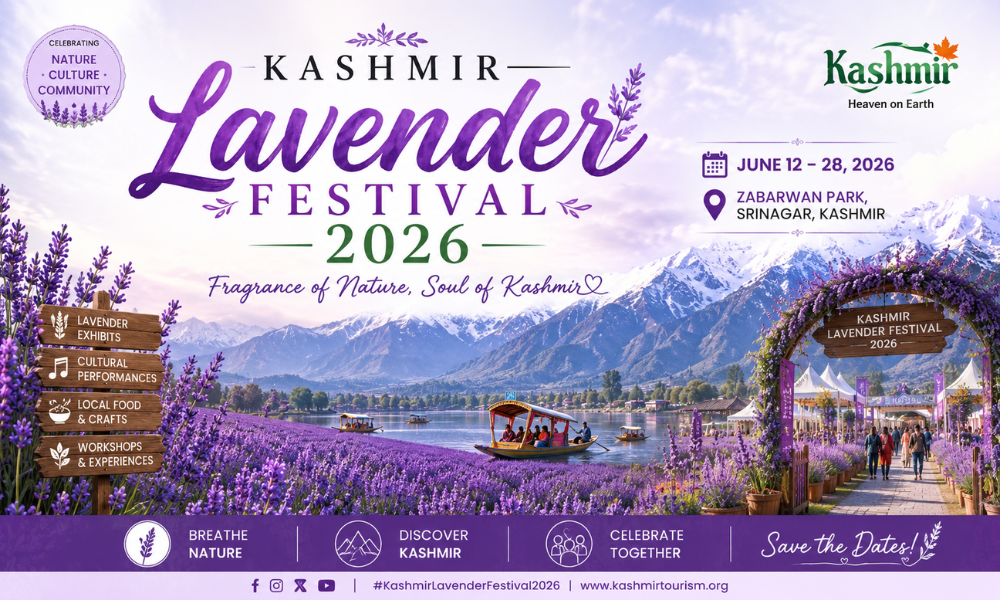
The breath-taking valleys of Kashmir have long been celebrated for their snow-covered mountains, serene lakes, lush meadows, and world-famous saffron fields. Today, another agricultural marvel is attracting national and international attention—the vibrant lavender fields that transform parts of Kashmir into a stunning purple paradise every summer. The Kashmir Lavender Festival 2026 has emerged as a unique celebration of nature, agriculture, tourism, and rural development, drawing thousands of visitor’s eager to experience the beauty and fragrance of blooming lavender.
As showcased by the festival’s picturesque landscapes, lavender farming is doing much more than enhancing the region’s visual appeal. It is creating new economic opportunities for farmers, boosting tourism, supporting sustainable agriculture, and promoting zero-waste practices. The festival has become a shining example of how agricultural innovation can drive prosperity while preserving the environment.
The Rise of the Kashmir Lavender Festival
Over the last few years, the Kashmir Lavender Festival has grown into one of India’s most exciting agri-tourism events. Tourists from across the country travel to the region during the blooming season to witness vast stretches of purple lavender flowers spread across the valleys.
The festival celebrates the success of lavender cultivation and highlights its contribution to the local economy. Visitors enjoy guided tours of lavender farms, photography sessions, cultural programs, local cuisine, and exhibitions featuring lavender-based products. The unique combination of natural beauty and agricultural innovation has made the festival a major attraction for travelers seeking offbeat destinations.
Social media platforms have played a crucial role in increasing the popularity of Kashmir’s lavender fields. Stunning photographs and videos of the purple landscapes have inspired countless travelers to include the festival in their travel plans.
Lavender Farming: Transforming Agriculture in Kashmir
Lavender cultivation is emerging as a profitable alternative to traditional farming practices in Kashmir. Farmers are increasingly adopting this aromatic crop due to its high market value and growing demand across various industries.
Lavender is widely used in:
- Essential oil production
- Perfumes and fragrances
- Cosmetics and skincare products
- Aromatherapy treatments
- Herbal medicines
- Soaps and personal care products
- Home décor and wellness items
Unlike many conventional crops, lavender requires relatively less water and can thrive in Kashmir’s favorable climatic conditions. Its resilience and profitability have encouraged many farmers to diversify their agricultural activities and invest in aromatic plant cultivation.
Increasing Farmer Income Through Lavender Cultivation
One of the most significant impacts of lavender farming is the increase in farmer income. Traditional agricultural crops often provide limited financial returns, making it difficult for farmers to improve their livelihoods. Lavender cultivation offers a high-value alternative that generates income from multiple sources.
Farmers can earn revenue through:
- Selling fresh lavender flowers
- Producing and marketing lavender oil
- Supplying raw materials to cosmetic industries
- Selling dried flowers and bouquets
- Manufacturing value-added products
- Direct sales to tourists
Lavender essential oil is particularly valuable because of its extensive use in wellness, pharmaceutical, and beauty industries. Even small-scale lavender farms can generate substantial returns compared to traditional crops.
Many young farmers in Kashmir are now viewing agriculture as a profitable and sustainable profession. The success of lavender farming is encouraging rural entrepreneurship and helping reduce migration from villages to urban areas.
Tourism Growth Driven by Purple Landscapes
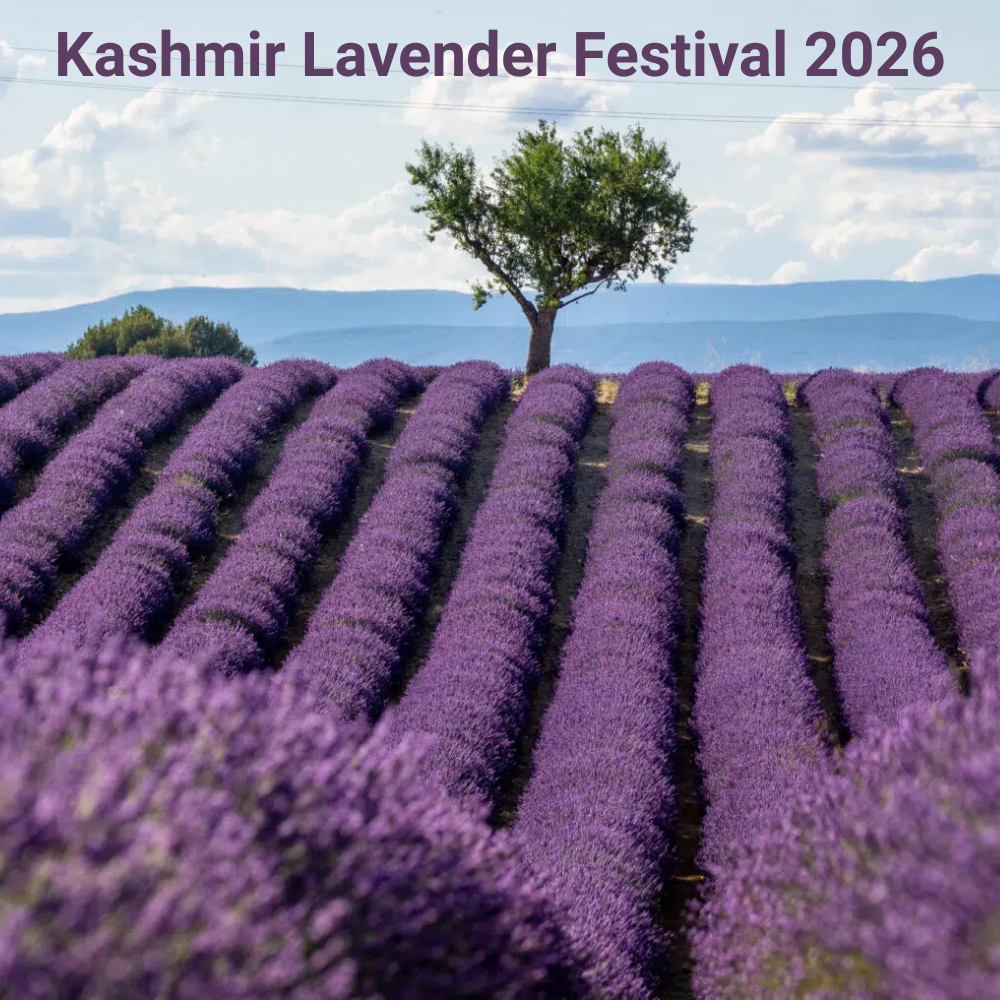
The stunning lavender fields have become one of Kashmir’s most photographed attractions. During the blooming season, visitors can walk through endless rows of fragrant flowers surrounded by breathtaking mountain views.
This increase in tourist footfall has positively impacted the regional economy. Tourists contribute to local businesses by spending on:
- Hotels and homestays
- Transportation services
- Restaurants and local food vendors
- Handicrafts and souvenirs
- Tour guides and travel services
- Photography experiences
The festival creates seasonal employment opportunities for local communities and supports small businesses across the region. As a result, tourism generated by lavender farming is benefiting not only farmers but also numerous sectors connected to the travel industry.
Promoting Zero-Waste Tourism and Sustainable Development
One of the most inspiring aspects of the Kashmir Lavender Festival 2026 is its emphasis on sustainability and zero-waste tourism. As India continues to promote environmentally responsible travel, Kashmir’s lavender industry is setting an example for eco-friendly rural development.
Lavender farming naturally supports a zero-waste approach because almost every part of the plant can be utilized. After essential oil extraction, the remaining plant material can be transformed into:
- Organic compost
- Natural mulch
- Eco-friendly packaging materials
- Herbal products
- Agricultural soil enhancers
This minimizes waste and encourages resource efficiency throughout the production process.
Festival organizers and local communities are also promoting responsible tourism practices by encouraging visitors to reduce plastic consumption, use reusable items, and support locally made products. Many vendors offer handmade lavender soaps, candles, perfumes, sachets, oils, and wellness products that are produced using sustainable methods.
Several local tourism operators and homestays are adopting eco-friendly practices such as waste segregation, recycling programs, and sustainable hospitality services. These efforts ensure that tourism growth does not come at the expense of Kashmir’s natural beauty.
The integration of zero-waste principles with agriculture and tourism demonstrates how rural economies can grow while protecting the environment for future generations.
Government Support and Agricultural Innovation
The success of lavender farming in Kashmir has been strengthened by various agricultural development initiatives. Farmers have received support through training programs, awareness campaigns, quality planting material, and technical guidance.
Government-backed projects have encouraged the cultivation of aromatic plants as part of broader efforts to diversify agriculture and improve rural incomes. Investments in essential oil extraction facilities and processing units have further enhanced the value chain for lavender products.
These initiatives have enabled farmers to maximize profits while maintaining high-quality production standards. Continued support is expected to help expand lavender cultivation across additional regions in India.
Why Visitors Love the Lavender Festival
The Kashmir Lavender Festival offers much more than beautiful scenery. It provides a complete experience that combines nature, culture, wellness, and education.
Spectacular Photography Opportunities
The vibrant purple fields against the backdrop of Kashmir’s mountains create perfect conditions for photography. Travel influencers, photographers, and social media creators frequently visit the festival to capture stunning visuals.
Relaxing Aromatic Experience
Lavender is renowned for its calming fragrance. Walking through blooming fields offers visitors a peaceful and refreshing experience that promotes relaxation and well-being.
Educational Value
Many visitors are fascinated by the process of lavender cultivation and essential oil production. The festival provides opportunities to learn about sustainable farming, aromatic crops, and rural entrepreneurship.
Local Shopping
Tourists can purchase authentic lavender-based products directly from farmers and local artisans, helping support the regional economy while taking home unique souvenirs.
Environmental Benefits of Lavender Cultivation
In addition to its economic advantages, lavender farming contributes positively to environmental sustainability. The crop requires less water than many traditional agricultural alternatives, making it suitable for water-conscious farming practices.
Lavender fields also attract pollinators such as bees and butterflies, supporting biodiversity and strengthening local ecosystems. By promoting sustainable agricultural methods, lavender cultivation aligns with India’s broader goals of environmental conservation and climate resilience.
Conclusion
The Kashmir Lavender Festival 2026 represents a remarkable success story of agricultural innovation, rural tourism, and sustainable development in India. The vibrant purple fields have become a symbol of opportunity, attracting visitors while generating substantial income for farmers and local businesses.
Through profitable lavender cultivation, increased tourist arrivals, and the adoption of zero-waste practices, Kashmir is creating a model that other regions can learn from. The festival showcases how nature, agriculture, and tourism can work together to promote economic growth without compromising environmental responsibility.
As the fragrance of lavender continues to spread across the valleys of Kashmir, it carries with it a message of prosperity, sustainability, and hope for the future of Indian agriculture. The region’s purple revolution is proving that with innovation and community participation, even a simple flower can transform lives and strengthen local economies.