The Game Before the Game: Why Anticipation Is Sport’s Real Superpower
Still, “ How did he know that ball was coming? ” — you’ve formerly brushed up against one of sport’s most fascinating ideas, expectation, If you’ve ever watched a batsman play a fast bowler and study.
In his column, expert sports pen Rohit Brijnath explores this unnoticeable subcaste of sport — the quiet mind games, the reading of patterns, and the split-alternate prognostications that separate good athletes from great bones
Because in sport, the real action frequently begins before the action.
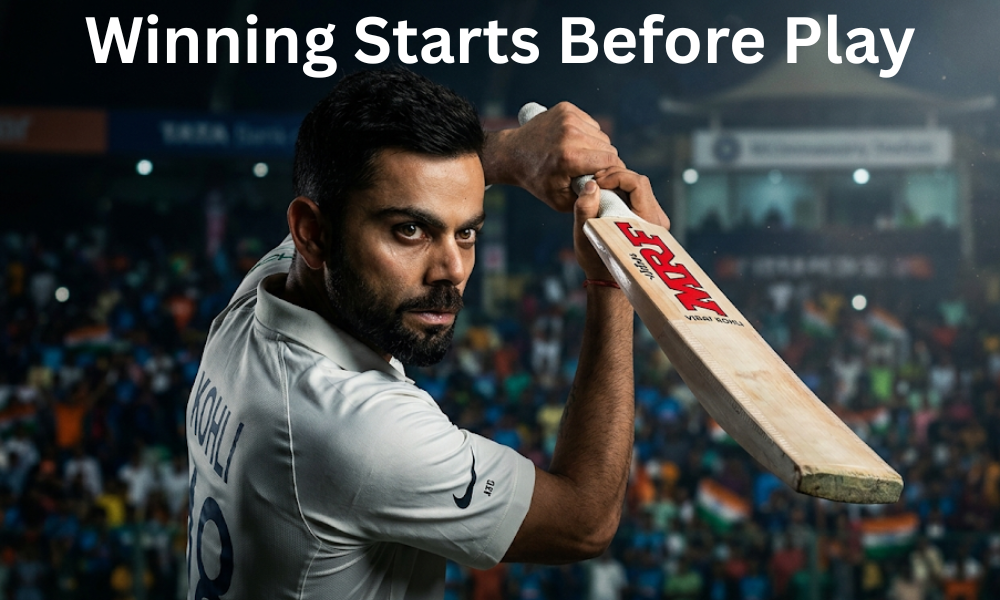
What Is Expectation in Sports?
At its simplest, expectation is the capability to prognosticate what will be coming — before it actually happens.
In sports psychology, this is considered a core internal skill. It involves reading body language, patterns, environment, and indeed pressure situations to make faster opinions.
Think of it like this
A tennis player suppositions where the serve will go
A goalkeeper dives before the ball is struck
A batsman adjusts footwork indeed before the ball leaves the hand
These are n’t suppositions. These are trained instincts.
exploration shows that elite athletes are more at picking up subtle cues — like a wrist angle or shoulder movement — which helps them reply faster than others.
The Mind Game Behind Every Move
Brijnath’s jotting frequently reminds us that sport is n’t just physical, it’s deeply cerebral.
It’s not a response. It’s a vacation.
The utmost of us suppose athletes reply snappily. But the verity is
The stylish athletes do n’t just reply — they anticipate and prepare in advance.
This gives them a pivotal edge
lower time wasted in decision- making
further control over movement
Advanced confidence under pressure
Practical illustration Justice
Picture a top- position Indian batsman facing a incentive
He notices the grip
Reads the bowler’s run- up
Understands field placement
Predicts the variation
By the time the ball is released, his brain is formally ahead.
That’s the expectation at work.
Why Anticipation Feels Like Magic( But Is n’t)
From the outside, expectation looks like a gift. But it’s actually erected over time.
- Pattern Recognition
Athletes train their smarts to honor repeated patterns
Bowling styles
Opponent habits
Game situations
Over time, the brain stores these patterns and retrieves them incontinently during matches.
- Experience
The further you play, the further situations you face.
And sluggishly, your brain starts saying
“ I’ve seen this ahead. ”
This is why educated players frequently look calmer; they’re not guessing, they’re remembering.
- Focus and Attention
Sports psychology highlights how attention plays a huge part. Elite athletes filter out distractions and concentrate only on applicable cues.
That’s why crowd noise does n’t affect them as important — their mind is locked in.
expectation vs Pressure The Real Battle
Then’s where effects get intriguing.
expectation does n’t always work impeccably — especially under pressure.
When Pressure Disrupts the Mind
Under stress
Focus narrows too important( “ lair vision ”)
Anxiety creeps in
Decision- making slows down
This can lead to miscalculations — indeed for top players.
That’s why occasionally a great player suddenly looks ordinary.
The Fine Line
As Brijnath frequently hints in his jotting, the gap between brilliance and failure is bitsy.
One moment of vacillation.
One wrong vaccination.
And everything changes.
Real- Life exemplifications You’ll honor
Let’s bring this near to everyday sports watching.
Justice – The Slip Catch
A slip fielder does n’t stay to see the ball hit the edge.
He expects it — grounded on the bowler’s line and the batsman’s weakness.
Football – Penalty Saves
Goalkeepers frequently dive before the ball is demurred.
They read
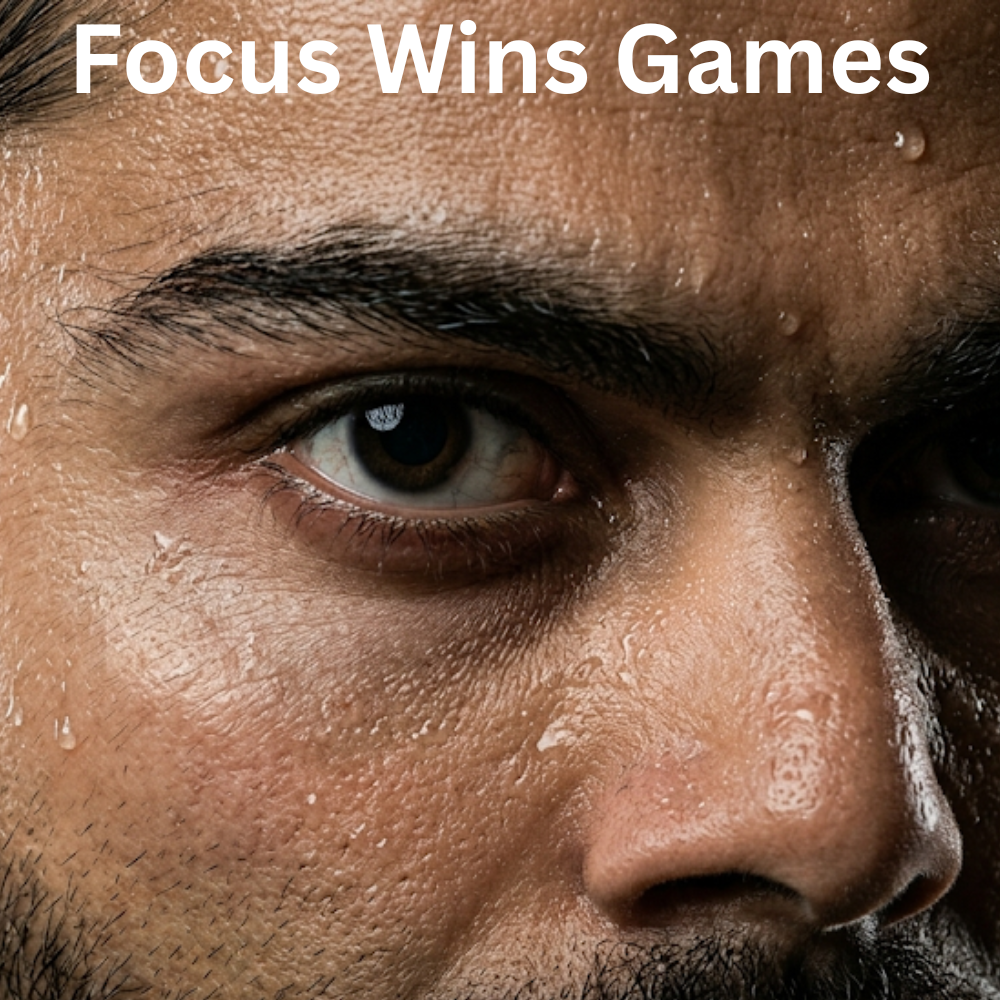
The player’s body angle
history penalty patterns
Match pressure
Badminton – Net Play
Top players anticipate lifts or drops grounded on
Opponent positioning
former shots
Game meter
Can Regular People Learn This Skill?
Absolutely.
expectation is n’t just for elite athletes it’s a trainable skill.
Simple Ways to Ameliorate expectation
Watch more precisely
Do n’t just follow the ball observe players’ movements
Play regularly
Experience builds pattern recognition
Slow down vids
Notice small cues like hand position or footwork
Practice situational thinking
Ask What would be coming?
Indeed in diurnal life, this skill helps
More decision- making
Faster responses
Advanced focus
Why This Matters More Than We suppose
In India, we frequently celebrate physical skill — strength, speed, fashion.
But sports psychology is still growing as a field.
And that’s where the real occasion lies.
Because
Fitness can be matched
fashion can be copied
But internal sharpness? That’s harder to replicate
Countries investing in cognitive training are formerly seeing results.
The Beauty of the unnoticeable Game
What makes Brijnath’s perspective so compelling is this
He does n’t just describe sport — he reveals what we generally do n’t see.
The vacillation before a shot.
The computation before a move.
The silent discussion inside an athlete’s mind.
And once you notice it, you ca n’t unsee it.
Conclusion
A study to Take With You
Coming time you watch a match, try this
Do n’t just follow the ball.
Watch the player before the action happens.
You’ll start noticing
bitsy shifts in posture
Early movements
opinions made in advance
That’s the expectation.
And perhaps, just perhaps, you’ll realise The real match isn’t just played on the field.
It’s played in the mind — seconds before the world catches up.