
New Hydrogel Biomaterial Technology Makes Tumor Removal Surgery Safer and More Effective
Advancements in medical science continue to reshape the way complex diseases like cancer are treated. Among the most promising innovations is the development of hydrogel biomaterial technology, which is revolutionizing tumor removal surgeries. This cutting-edge approach is designed to enhance surgical precision, reduce complications, and improve patient recovery outcomes. As cancer cases continue to rise globally, safer and more effective surgical techniques are essential, and hydrogel biomaterials are emerging as a transformative solution in this field.
What is hydrogel biomaterial technology?
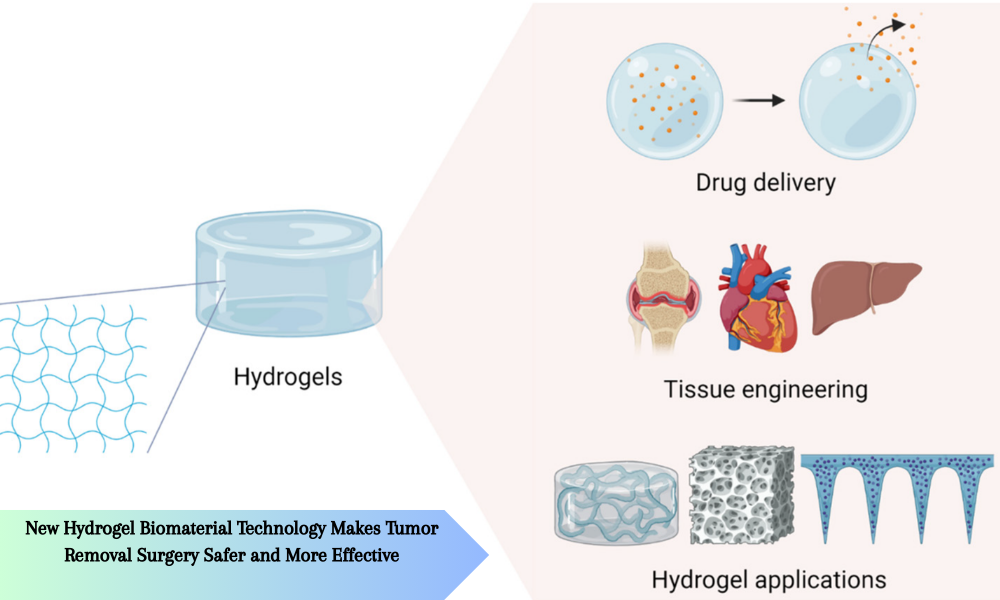
Hydrogels are soft, water-based materials composed of polymer networks that can hold large amounts of water while maintaining their structure. Because of their flexibility, biocompatibility, and ability to mimic natural tissue, hydrogels are widely used in medical applications.
In tumor removal surgeries, specially engineered hydrogels are applied to surgical sites to assist surgeons in identifying, isolating, and removing cancerous tissues. These biomaterials can be customized to respond to specific biological signals, making them highly effective in targeting tumors.
How Hydrogel Technology Works in Tumor Removal
Hydrogel biomaterials function in several innovative ways during surgery:
- They can be injected or applied directly to the tumor site.
- Some hydrogels are designed to glow under specific lighting, helping surgeons clearly distinguish between healthy and cancerous tissues.
- Others act as protective barriers, preventing damage to surrounding organs and tissues.
- Certain hydrogels can deliver drugs or therapeutic agents directly to the affected area, enhancing treatment effectiveness.
This multi-functional capability makes hydrogels a powerful tool in modern surgical procedures.
Enhancing Surgical Precision
One of the biggest challenges in tumor removal is ensuring that all cancerous cells are removed without harming healthy tissues. Traditional methods rely heavily on visual inspection and imaging, which may not always provide complete accuracy.
Hydrogel biomaterials improve precision by:
- Highlighting tumor boundaries more clearly
- Providing real-time feedback during surgery
- Reducing the chances of leaving behind residual cancer cells
This increased accuracy significantly lowers the risk of cancer recurrence and improves long-term patient outcomes.
Reducing Surgical Risks and Complications
Surgical procedures, especially those involving tumors, often carry risks such as bleeding, infection, and damage to nearby organs. Hydrogel technology helps mitigate these risks in several ways:
- Acting as a protective layer around critical structures
- Minimizing blood loss by stabilizing tissues
- Reducing inflammation and irritation at the surgical site
By creating a safer surgical environment, hydrogels contribute to smoother procedures and fewer complications.
Supporting Faster Healing and Recovery
Post-surgery recovery is a crucial phase for patients. Hydrogel biomaterials play an important role in accelerating healing by:
- Maintaining a moist environment that promotes tissue regeneration
- Delivering anti-inflammatory or healing agents directly to the wound
- Reducing pain and discomfort after surgery
Patients treated with hydrogel-assisted surgery often experience shorter hospital stays and quicker returns to normal life.
Targeted Drug Delivery
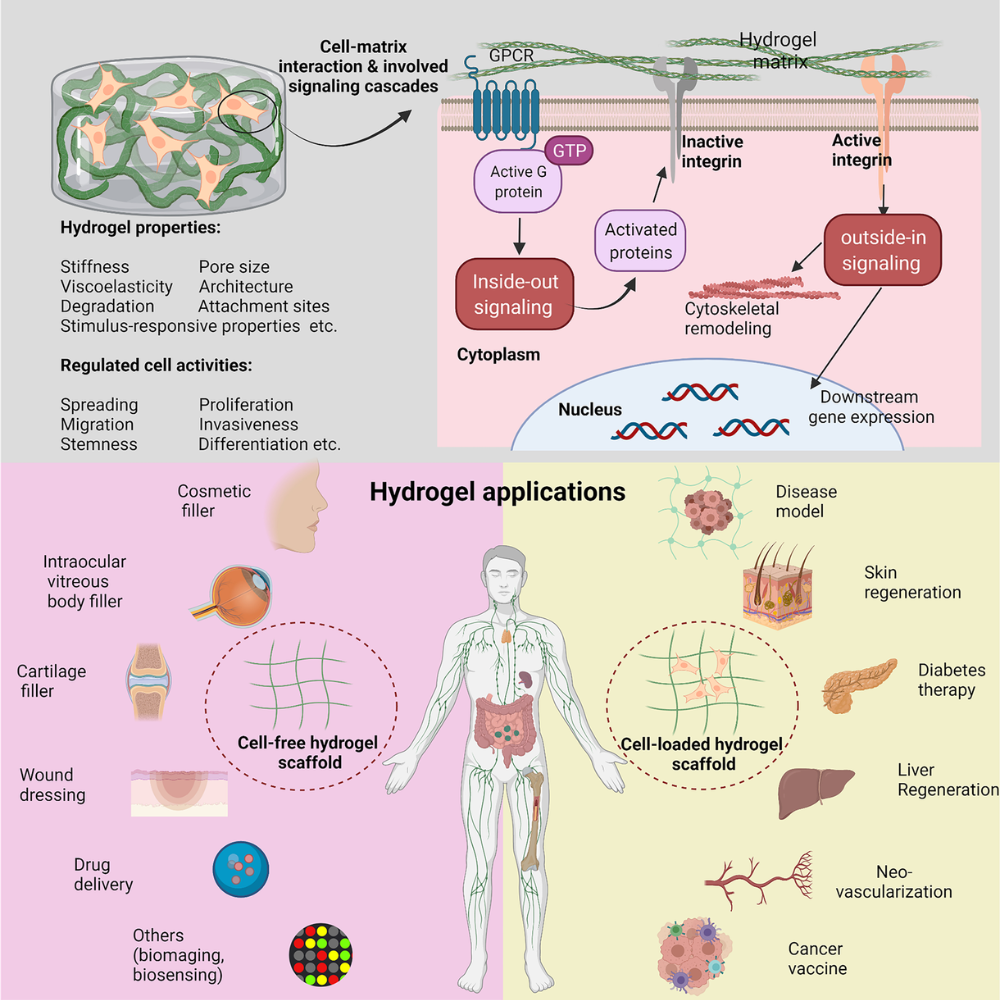
Another significant advantage of hydrogel technology is its ability to deliver drugs directly to the tumor site. This targeted approach ensures that:
- Higher concentrations of medication reach the affected area
- Side effects on the rest of the body are minimized
- Treatment effectiveness is enhanced
This feature is particularly beneficial in cases where complete tumor removal is difficult, as it helps eliminate remaining cancer cells.
Customization and Adaptability
Hydrogel biomaterials can be tailored to meet the specific needs of different types of tumors and patients. Researchers can modify their properties to:
- Respond to temperature or pH changes
- Release drugs at controlled rates
- Adapt to various surgical environments
This flexibility makes hydrogel technology suitable for a wide range of cancers, including brain, liver, and breast tumors.
Applications in Different Types of Cancer Surgeries
Hydrogel biomaterial technology is being increasingly used in various surgical fields:
- Brain tumor surgeries, where precision is critical to avoid damage to vital functions
- Liver and pancreatic tumor removals, where complex structures make surgery challenging
- Breast cancer surgeries, where preserving healthy tissue is important for recovery and cosmetic outcomes
In each of these cases, hydrogels provide enhanced control and better results compared to traditional methods.
Ongoing Research and Future Potential
Scientists and medical researchers are continuously working to improve hydrogel technology. Future developments may include:
- Smart hydrogels that respond instantly to cancer cells
- Integration with imaging technologies for real-time monitoring
- Use in minimally invasive or robotic surgeries
As research progresses, hydrogel biomaterials are expected to become a standard component of advanced cancer treatments.
Challenges and Considerations
Despite its many advantages, hydrogel technology also faces certain challenges:
- High development and implementation costs
- Need for extensive clinical trials to ensure safety and effectiveness
- Limited availability in some regions
However, as technology evolves and becomes more accessible, these barriers are likely to decrease over time.
Conclusion
Hydrogel biomaterial technology represents a significant breakthrough in tumor removal surgery. By improving precision, reducing risks, and supporting faster recovery, it offers a safer and more effective alternative to traditional surgical methods. Its ability to deliver targeted treatment and adapt to different medical needs further enhances its value in cancer care.
As research continues and adoption increases, hydrogel-based solutions have the potential to transform the future of oncology. This innovative approach not only improves surgical outcomes but also provides hope for a better quality of life for patients undergoing cancer treatment.