
World Bicycle Day Sees Nationwide Participation: India Pedals Towards a Healthier and Greener Future
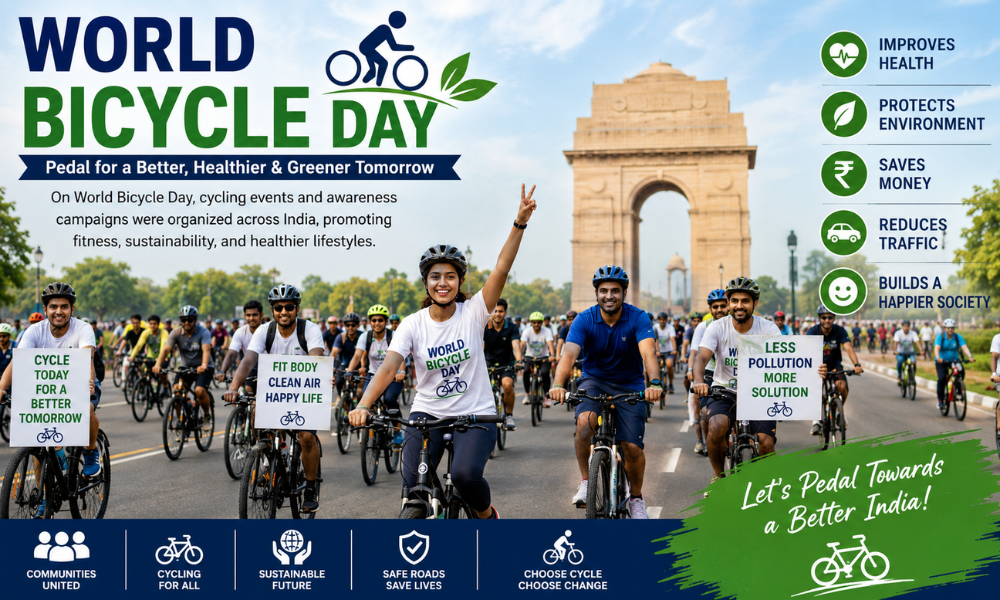
World Bicycle Day was celebrated with great enthusiasm across India as thousands of people participated in cycling rallies, awareness campaigns, fitness drives, and community events. From major metropolitan cities to small towns and rural regions, cyclists of all ages came together to promote the benefits of cycling and encourage sustainable transportation practices.
The celebration highlighted the growing importance of bicycles as an affordable, eco-friendly, and healthy mode of transportation. Government organizations, educational institutions, fitness groups, cycling clubs, and environmental organizations organized numerous events to mark the occasion and spread awareness about the positive impact of cycling on individuals and society.
Growing Popularity of Cycling in India
Cycling has witnessed a significant rise in popularity across India over the past few years. Increasing awareness about health and fitness, environmental concerns, and traffic congestion has encouraged more people to adopt cycling as part of their daily routine.
World Bicycle Day provided an ideal platform to showcase the advantages of cycling and motivate citizens to embrace healthier lifestyles. Many participants emphasized how cycling helps improve physical fitness while reducing dependence on fuel-powered vehicles.
The event also demonstrated the growing cycling culture among young professionals, students, senior citizens, and fitness enthusiasts who regularly use bicycles for commuting and recreation.
Cycling Rallies Organized Across Major Cities
Several cities organized large-scale cycling rallies involving hundreds and sometimes thousands of participants. Riders gathered early in the morning to cover designated routes while promoting road safety and environmental awareness.
Participants carried banners displaying messages related to:
- Healthy living
- Sustainable transportation
- Pollution reduction
- Road safety awareness
- Climate change prevention
- Active lifestyles
The rallies attracted people from diverse backgrounds, including students, government officials, corporate employees, athletes, and local community members.
Many cycling groups used the opportunity to encourage people to replace short vehicle trips with bicycle rides whenever possible.
Promoting Health and Fitness Through Cycling
One of the primary objectives of World Bicycle Day celebrations was to promote physical fitness and overall well-being. Health experts consistently recommend cycling as an excellent form of exercise that benefits people of all age groups.
Cycling offers numerous health advantages, including:
- Improved cardiovascular health
- Better muscle strength and endurance
- Weight management support
- Enhanced mental well-being
- Reduced stress levels
- Improved joint mobility
- Increased stamina and energy
Fitness organizations conducted awareness sessions explaining how regular cycling can contribute to healthier lifestyles and help combat sedentary habits that have become increasingly common in modern society.
Environmental Benefits Highlighted
Environmental sustainability remained a key theme during the nationwide celebrations. Organizers stressed the role bicycles can play in reducing carbon emissions and improving urban air quality.
Unlike motor vehicles, bicycles:
- Produce zero emissions
- Consume no fossil fuels
- Reduce traffic congestion
- Require less infrastructure
- Generate minimal noise pollution
Environmental activists encouraged citizens to consider bicycles as a practical transportation option for short-distance travel. Many awareness campaigns highlighted how even a small shift from cars to bicycles could significantly reduce environmental impact.
Participants expressed support for greener cities and emphasized the need for environmentally responsible transportation solutions.

Educational Institutions Join the Movement
Schools, colleges, and universities across India actively participated in World Bicycle Day activities. Educational institutions organized various programs designed to educate students about the importance of cycling.
Common activities included:
- Bicycle rallies
- Essay competitions
- Poster-making contests
- Awareness seminars
- Road safety workshops
- Fitness demonstrations
Teachers and administrators encouraged students to adopt cycling habits that could contribute to healthier lifestyles and environmental conservation.
Many institutions also discussed the importance of safe cycling practices and responsible road behavior.
Government Initiatives Supporting Cycling
Government departments and local authorities used the occasion to promote cycling-friendly infrastructure and sustainable mobility initiatives.
Several municipalities emphasized efforts aimed at:
- Developing dedicated cycling tracks
- Improving road safety measures
- Encouraging non-motorized transport
- Supporting public fitness programs
- Reducing urban pollution
Officials highlighted how investments in cycling infrastructure can improve transportation efficiency while supporting public health goals.
Public awareness campaigns encouraged citizens to participate actively in creating cleaner and more sustainable communities.
Community Participation Strengthens the Message
Community involvement played a major role in the success of World Bicycle Day celebrations. Resident welfare associations, local clubs, non-profit organizations, and volunteer groups organized neighborhood cycling events and awareness drives.
Families participated together, making the events enjoyable and educational. Parents used the opportunity to teach children about environmental responsibility and the importance of regular physical activity.
The inclusive nature of cycling events allowed people from different age groups and social backgrounds to engage in a shared activity that promotes health and sustainability.
Cycling Clubs Lead Awareness Campaigns
India’s growing network of cycling clubs played an important role in organizing events and motivating participation. Experienced cyclists shared knowledge about:
- Bicycle maintenance
- Safe riding practices
- Fitness training
- Long-distance cycling
- Urban commuting techniques
These clubs conducted workshops and demonstrations aimed at helping beginners develop confidence and interest in cycling.
Many cycling communities also organized group rides to showcase the convenience and enjoyment associated with regular bicycle use.
Corporate Organizations Encourage Employee Wellness
Numerous companies participated in World Bicycle Day celebrations by organizing workplace wellness initiatives and cycling challenges.
Corporate activities included:
- Employee cycling competitions
- Health awareness programs
- Sustainable commuting campaigns
- Fitness workshops
- Community rides
Organizations recognized cycling as an effective way to improve employee health while supporting environmental responsibility.
Several businesses encouraged workers to commute by bicycle whenever feasible, highlighting both health and environmental benefits.
Road Safety Awareness Receives Attention
Road safety remained a central focus during many World Bicycle Day events. Authorities and cycling advocates emphasized the importance of creating safer roads for cyclists and pedestrians.
Awareness campaigns covered topics such as:
- Wearing helmets
- Following traffic rules
- Using reflective clothing
- Proper bicycle maintenance
- Safe riding techniques
- Respecting other road users
Experts stressed that improving cycling safety requires cooperation among cyclists, motorists, urban planners, and policymakers.
The campaigns aimed to build greater awareness and encourage responsible behavior among all road users.
Social Media Amplifies the Celebration
Social media platforms played a significant role in expanding the reach of World Bicycle Day initiatives. Participants shared photographs, videos, fitness achievements, and cycling experiences using dedicated hashtags.
The online engagement helped spread awareness about:
- Benefits of cycling
- Environmental conservation
- Healthy living
- Community participation
- Sustainable transportation
Influencers, fitness experts, and cycling enthusiasts contributed to the conversation by sharing motivational content and encouraging broader participation.
The digital outreach extended the impact of the celebrations beyond physical events and inspired many people to consider cycling as part of their lifestyle.
Encouraging Sustainable Urban Mobility
Urban planners and transportation experts used World Bicycle Day as an opportunity to discuss the future of sustainable mobility in India.
As cities continue to grow, challenges such as:
- Traffic congestion
- Air pollution
- Fuel consumption
- Parking shortages
have increased significantly.
Experts highlighted bicycles as an effective solution for short-distance commuting and first-mile/last-mile connectivity. Promoting cycling can help cities become cleaner, healthier, and more efficient.
The discussions emphasized the importance of developing infrastructure that supports safe and convenient cycling.
Conclusion
Looking Ahead
The enthusiastic participation witnessed during World Bicycle Day celebrations demonstrates growing public interest in health, sustainability, and active transportation. The nationwide events successfully reinforced the message that bicycles are more than just a mode of transport—they are tools for improving public health, protecting the environment, and strengthening communities.
As awareness continues to grow, cycling is expected to play an increasingly important role in India’s journey toward healthier lifestyles and sustainable urban development. The widespread celebrations served as a powerful reminder that small changes in daily habits can contribute significantly to a cleaner, greener, and healthier future for all.