




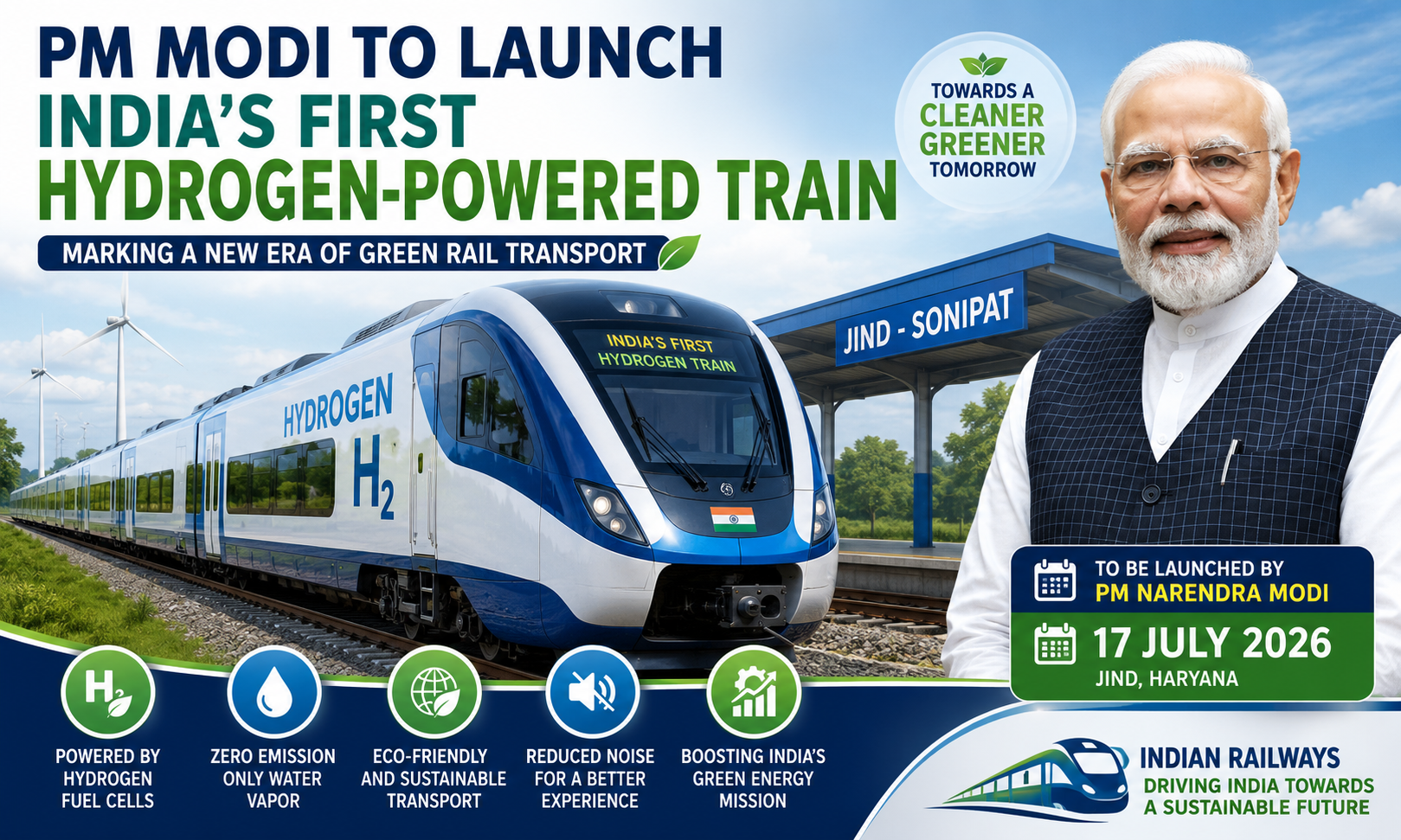
PM Modi to Launch India’s First Hydrogen-Powered Train, Marking a New Era of Green Rail Transport
India is preparing to witness a landmark moment in its transportation history as Prime Minister Narendra Modi is set to launch the country’s first hydrogen-powered train. This pioneering initiative represents a significant leap toward sustainable mobility, clean energy adoption, and modern railway infrastructure. The introduction of hydrogen-powered rail technology highlights India’s growing commitment to reducing carbon emissions while embracing innovative solutions for public transportation. As the nation continues to expand its railway network, this eco-friendly train is expected to play an important role in transforming the future of rail travel.
A Historic Milestone for Indian Railways
The launch of India’s first hydrogen-powered train is more than just the introduction of a new locomotive. It marks a technological breakthrough that places India among a select group of countries investing in hydrogen fuel cell technology for rail transportation. Indian Railways, one of the world’s largest rail networks, serves millions of passengers every day. Integrating hydrogen-powered trains into this vast network demonstrates the country’s determination to develop cleaner and more efficient transportation systems.
The hydrogen-powered train reflects years of research, engineering, and planning aimed at reducing dependence on conventional fossil fuels while improving operational efficiency.
Understanding Hydrogen-Powered Train Technology
Unlike diesel-powered locomotives, hydrogen-powered trains generate electricity through hydrogen fuel cells. In this process, hydrogen combines with oxygen inside the fuel cell to produce electricity, which powers the train’s motors. The only by-products of this chemical reaction are water vapor and heat, making hydrogen trains one of the cleanest forms of railway transportation available today.
This technology eliminates harmful emissions such as carbon dioxide, nitrogen oxides, and particulate matter that are commonly associated with diesel engines. As a result, hydrogen-powered trains contribute significantly to improving air quality and reducing environmental pollution.
Supporting India’s Green Energy Mission
India has been actively promoting renewable energy and sustainable infrastructure under various national initiatives. The launch of a hydrogen-powered train aligns perfectly with the country’s broader vision of achieving cleaner transportation and reducing greenhouse gas emissions.
Hydrogen is increasingly being recognized as a future fuel because it offers a reliable, zero-emission energy source. By investing in hydrogen technology, India is laying the foundation for a cleaner energy ecosystem that can support transportation, manufacturing, and industrial development for decades to come.
The railway sector is expected to become one of the major beneficiaries of this transition toward green energy.
Environmental Benefits of Hydrogen Trains
Hydrogen-powered trains provide numerous environmental advantages over conventional diesel locomotives. Since the fuel cells emit only water vapor, they help minimize the carbon footprint of railway operations. This contributes to cleaner air, healthier communities, and improved environmental sustainability.
Additional environmental benefits include:
- Zero carbon emissions during operation.
- Reduced dependence on imported fossil fuels.
- Lower levels of noise pollution.
- Improved air quality in urban and rural areas.
- Support for India’s climate change commitments.
As countries around the world work toward carbon neutrality, hydrogen trains are becoming an essential component of sustainable transportation strategies.
Advanced Features of India’s Hydrogen Train
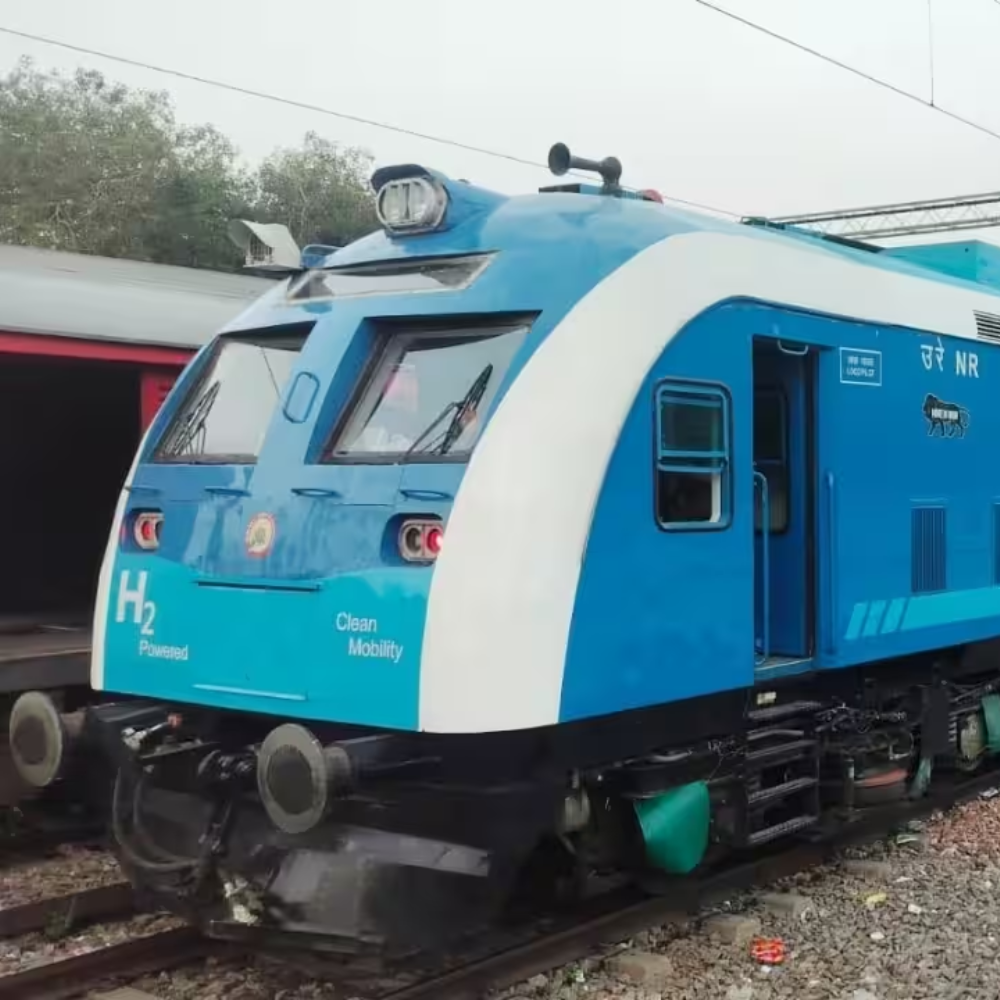
India’s first hydrogen-powered train has been designed with advanced engineering and modern passenger amenities. The train combines eco-friendly technology with high operational efficiency and passenger comfort.
Some of its notable features include:
- Hydrogen fuel cell propulsion system.
- Zero tailpipe emissions.
- Modern passenger coaches with enhanced comfort.
- Advanced safety monitoring systems.
- Improved energy efficiency.
- Reduced operational noise.
- High-performance traction system.
These features ensure that passengers enjoy a cleaner, quieter, and more comfortable travel experience while supporting environmentally responsible transportation.
Boosting Innovation in Indian Railways
The hydrogen-powered train represents a major technological achievement for Indian Railways. The project demonstrates the organization’s ability to adopt cutting-edge innovations that improve operational efficiency while protecting the environment.
Introducing hydrogen technology encourages further research and development in alternative fuels, smart transportation systems, and energy-efficient railway operations. It also strengthens India’s position as a growing leader in sustainable transportation technologies.
Such innovations can inspire future investments in clean mobility solutions across multiple sectors.
Economic Opportunities and Industrial Growth
The adoption of hydrogen-powered trains is expected to create significant economic opportunities throughout the country. Developing hydrogen infrastructure requires investments in fuel production, storage facilities, transportation systems, and maintenance services.
This growth can generate employment opportunities in engineering, manufacturing, renewable energy, research, and railway operations. Indian companies involved in hydrogen production and fuel cell technology may also benefit from increased demand as the sector expands.
Furthermore, domestic manufacturing of hydrogen-related equipment supports the government’s vision of strengthening indigenous production capabilities and reducing dependence on imports.
Improving Passenger Experience
While environmental sustainability remains the primary goal, passengers are also expected to benefit from several improvements offered by hydrogen-powered trains.
The trains produce significantly less noise than traditional diesel locomotives, resulting in a quieter and more pleasant journey. Modern interiors, improved ride quality, and advanced safety systems further enhance the overall travel experience.
As hydrogen technology matures, passengers can look forward to reliable, efficient, and environmentally friendly rail transportation without compromising comfort.
Strengthening India’s Global Position
Many developed nations have already begun introducing hydrogen-powered trains as part of their clean transportation strategies. By launching its first hydrogen-powered train, India joins an exclusive group of countries embracing next-generation railway technology.
This achievement strengthens India’s reputation as an emerging leader in sustainable infrastructure and demonstrates its commitment to adopting innovative technologies that support global climate goals.
The project also creates opportunities for international collaboration in hydrogen research, fuel cell development, and green transportation solutions.
Future Expansion of Hydrogen Rail Networks
The successful introduction of India’s first hydrogen-powered train could pave the way for wider adoption across the country’s railway network. If the technology proves effective, additional hydrogen-powered trains may gradually replace diesel locomotives on selected routes.
Future expansion would further reduce emissions, improve energy efficiency, and accelerate India’s transition toward environmentally sustainable public transportation.
The experience gained from this pioneering project will help engineers and policymakers refine hydrogen rail technology for larger-scale deployment in the years ahead.
Challenges Ahead
Although hydrogen-powered trains offer tremendous potential, certain challenges remain. Establishing hydrogen production plants, storage facilities, fueling stations, and maintenance infrastructure requires substantial investment. Ensuring a consistent supply of green hydrogen produced from renewable energy sources will also be critical for maximizing environmental benefits.
However, continued technological advancements and government support are expected to address these challenges over time, making hydrogen transportation increasingly practical and cost-effective.
Conclusion
Prime Minister Narendra Modi’s launch of India’s first hydrogen-powered train represents a transformative milestone for Indian Railways and the nation’s clean energy journey. The project showcases India’s commitment to innovation, sustainability, and environmentally responsible infrastructure development. By embracing hydrogen fuel cell technology, the country is taking an important step toward reducing emissions, improving public transportation, and building a greener future. As hydrogen-powered trains become an integral part of India’s railway network, they have the potential to redefine rail travel while supporting long-term economic growth and environmental conservation.