





India’s Urea Policy: Reform Has Begun, But How Far Will It Go?
One of the most important fertilizers in India, urea enjoys an extraordinary popularity. At the same time, the product has been politicized to the highest degree due to its extreme importance to the farming community. The reasons for this are explained by looking at the mechanism of the current policy, examining why it was changed, and assessing what alterations it implies.
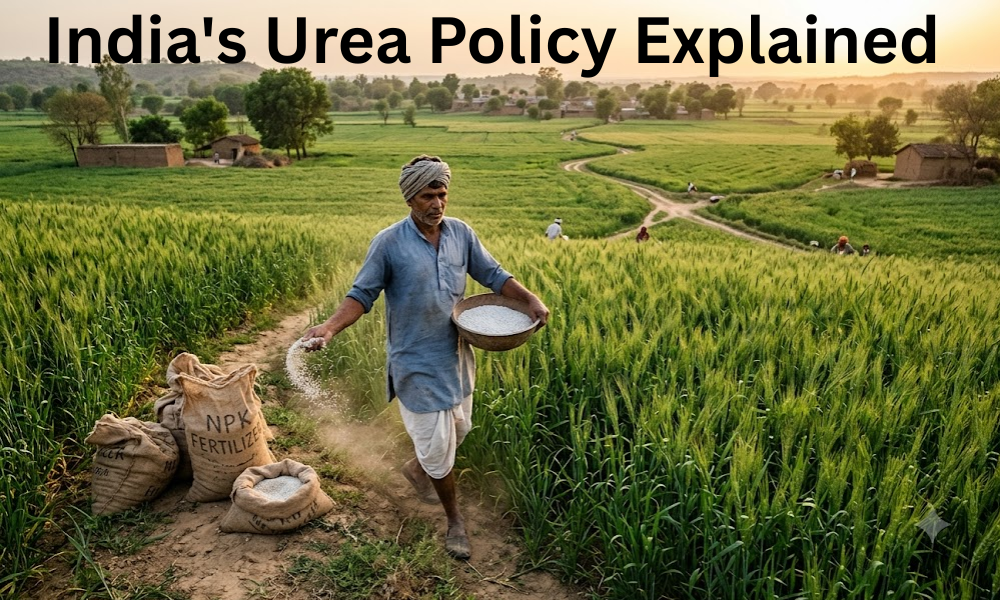
Why is Urea Unique?
Urea is the only fertilizer in India for which the government establishes the prices directly. There is a significant gap between the prices of production and the ones set by the government. Specifically, gas-based plants have costs that are higher than the ones of imported urea, and the amount is several times higher than the selling price in the country. As a result, the government’s fertilizer subsidy makes up a significant portion of the union budget, amounting to almost 160 thousand crore per year in recent years. In addition, increases in gas and fertilizer prices lead to annual hikes in spending.
Challenges of Import Dependence
One-third of the 35 million tonnes of urea originates from Oman, Qatar, Saudi Arabia, and the UAE. Therefore, the domestic production of urea could not meet the rising demand; hence, the country had to rely on imports. However, the country’s reserves of natural gas are depleting, and it has to import petroleum products to produce fertilizers.
Consequently, the government faces the challenge of having to buy expensive world urea while losing out on revenues from domestic suppliers.
Diversion of Urea and the Neem-Coating Policy
The situation of low prices in the country compared to foreign markets has led to the problem of diversion and stockpiling. Urea is in high demand among Indian manufacturers to produce industrial fertilizers.
The government’s response to this was the decision to introduce mandatory neem-coating of all urea. The new policy was meant to prevent illegal use of the fertilizer, as the coating rendered the fertilizer unfit for industrial processing. The solution has had some effect, although it has not solved the problem entirely, as smuggling and diversion still occur.
Measures to Limit the Use of Fertilizers
Another issue associated with the current urea policy concerns the imbalances caused by the fertilizer’s cheapness and consequent overuse. Due to the price discrepancy, farmers use much more fertilizer than the recommended dose, thereby damaging the soil. In addition, some states report severe consequences for the soil due to the consistently low prices of the product. To solve the problem, the government has initiated a program to promote the use of nano urea.
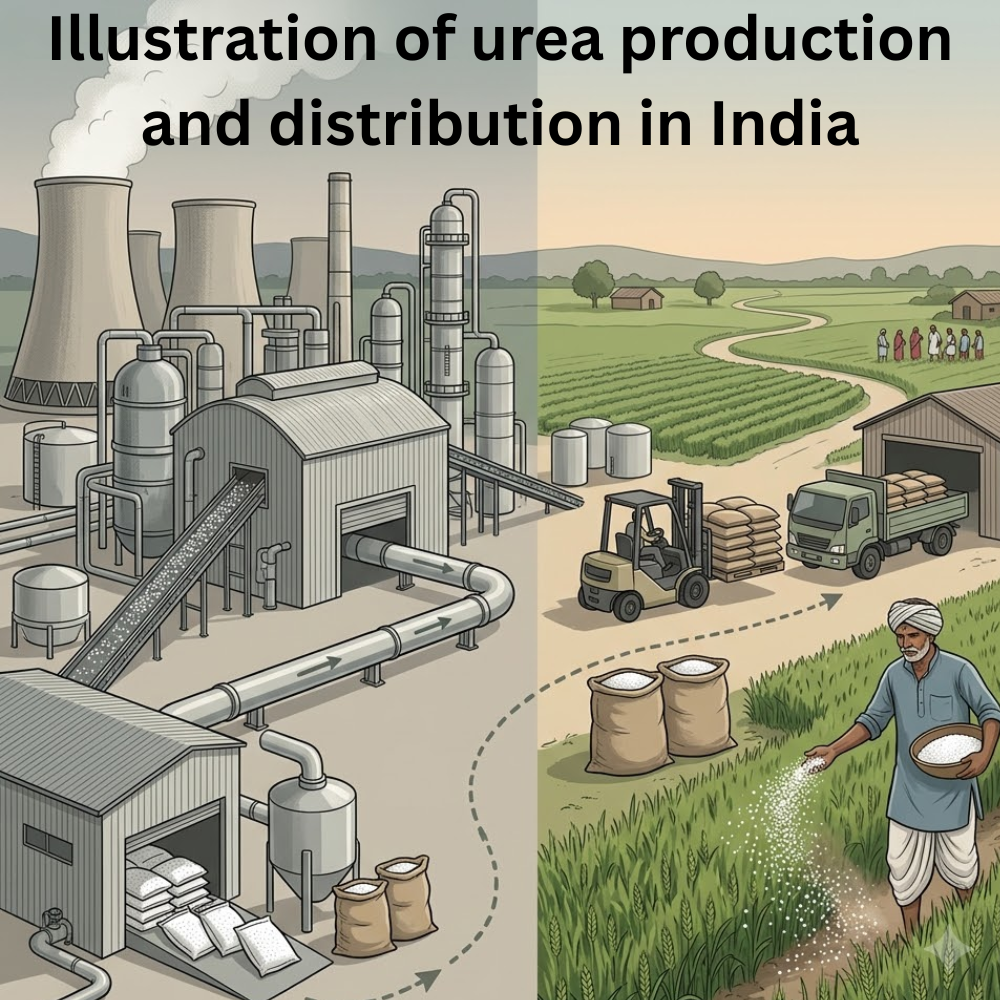
The new product, produced as a solution, has allowed to saturate the soil with nitrogen several times more efficiently than traditional ones, requiring much lower doses. As per the government, nano- fertilizers will be used in the place of nearly 10% of traditional urea and DAP. The pilot project conducted by the Indian Farmers Fertilizer Cooperative has shown promising results, even though agricultural experts have found that nano urea is not suitable for all kinds of soil. The problem of nutritional balance in crops will be solved with the introduction of soil health cards and farmers will be able to see what exactly their plot needs.
New Investment Policy of 2026
The latest changes to India’s urea policy were made in July 2026. The new National Investment Policy for Urea 2026 was approved by the Cabinet Committee on Economic Affairs to attract greater investment into the fertilizer sector. In particular, the new policy is set to replace the New Investment Policy of 2012, which expired in October 2019. The initiative is seen as a critical step towards achieving the prime minister’s vision of Atmanirbhar Bharat. According to the government, the new framework is expected to meet the rising demand for urea while reducing the fertilizer ministry’s burden.
According to the draft policy, India needs to create 8-9 new gas-based urea manufacturing plants with an annual capacity of 12.7 lakh tonnes each. Combined, they will add nearly 10 million tonnes of additional production. Union minister Ashwini Vaishnaw announced that the policy aims to localize India’s entire fertilizer demand and thereby reduce the country’s dependence on imports. The new framework promises to attract domestic and international investors by differentiating between fixed and variable costs in the fertilizer plant pricing model. Experts argue that the move will ensure clarity for investors, who have been hesitant to enter the market due to the complexity of the previous system. According to Vaishnaw, the changes to the policy should catalyze the proposals currently reviewed by the Department of Fertilizers.
Conclusion
The changes made to India’s urea policy affect nearly all aspects of the fertilizer’s production and sale. However, their impact on farmers will be minimal in the short term, as retail prices remain controlled by the government. In the long run, the situation is likely to stabilize as a result of expanded domestic production, which will reduce reliance on volatile global prices. Nevertheless, the success of the new policy will be measured against its ability to localize India’s demand for urea. In particular, the government has set a target of ending the country’s dependence on imported fertilizers by 2025. However, the new investments are unlikely to bear fruit before a decade has passed, given the long gestation period of urea plants.