




Government Launches Kapas Kranti Mission: Farmers to Receive Up to 14,000 Rupees Per Hectare
The Government of India has announced the Kapas Kranti Mission, a new initiative aimed at strengthening cotton cultivation, increasing domestic production, and reducing the country’s dependence on imported cotton. The mission, officially known as the Mission for Cotton Productivity, will be implemented from 2026-27 to 2030-31. It focuses on encouraging farmers to adopt modern agricultural practices while providing financial assistance to improve productivity and sustainability.
The announcement has generated optimism among cotton-growing farmers, especially in Gujarat, one of India’s leading cotton-producing states. Under the mission, eligible farmers can receive input assistance of up to ₹14,000 per hectare, helping them invest in quality seeds, fertilizers, irrigation, and advanced farming techniques.
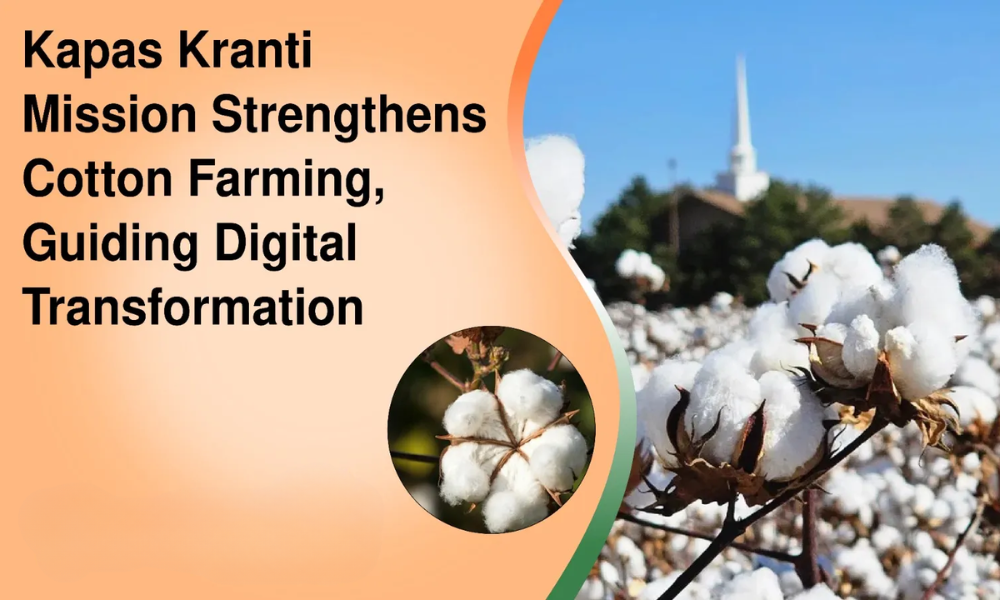
Objective of the Kapas Kranti Mission
Cotton plays a significant role in India’s agricultural economy and supports millions of farmers and workers connected to the textile industry. However, fluctuating production, pest attacks, climate challenges, and increasing imports have affected the sector in recent years.
To address these concerns, the Government has introduced the Kapas Kranti Mission with several key objectives:
- Increase cotton productivity across the country.
- Reduce India’s dependence on imported cotton.
- Encourage the adoption of modern cultivation methods.
- Improve farmers’ income through better yields.
- Strengthen the supply of high-quality cotton for the textile industry.
- Promote sustainable and climate-resilient farming practices.
The mission is expected to create long-term benefits for both farmers and the Indian textile sector.
Financial Assistance of Up to ₹14,000 Per Hectare
One of the biggest highlights of the mission is the financial support offered to eligible farmers.
According to the announced plan, cotton growers adopting improved agricultural practices can receive input assistance of up to ₹14,000 per hectare. This financial support will help farmers manage cultivation costs more effectively and encourage investment in modern farming technologies.
The assistance can be utilized for various agricultural inputs, including:
- Certified cotton seeds
- Balanced fertilizers
- Bio-fertilizers and soil nutrients
- Drip irrigation systems
- Crop protection measures
- Farm machinery and equipment
- Modern cultivation practices
This support aims to reduce production costs while increasing crop productivity.
Mission Duration
The Kapas Kranti Mission will be implemented over a five-year period.
- Start: 2026-27
- End: 2030-31
The long implementation period allows agricultural departments to monitor progress, improve extension services, and ensure better adoption of scientific farming practices across cotton-growing regions.
Gujarat Receives Special Focus
Gujarat remains one of India’s largest cotton-producing states and has been given significant importance under the mission.
For the current year, the Gujarat Government has approved a budget of approximately ₹134.80 crore to implement the mission within the state.
The programme aims to cover more than one lakh hectares of cotton cultivation across 21 districts in Gujarat. This large-scale implementation reflects the state’s importance in India’s cotton production.
The mission is expected to benefit thousands of cotton farmers by introducing improved farming technologies and better crop management techniques.
Adoption of Modern Farming Techniques
A major objective of the mission is to encourage farmers to adopt scientific and technology-driven cultivation methods.
Some of the practices likely to be promoted include:
High-Quality Seeds
Farmers will be encouraged to use certified, high-yielding, and disease-resistant cotton varieties that offer better productivity.
Precision Farming
The mission supports precise application of fertilizers and irrigation to improve efficiency while reducing wastage.
Integrated Pest Management
Cotton crops often suffer from pest attacks. Integrated Pest Management (IPM) techniques can reduce dependence on chemical pesticides while improving crop health.
Efficient Water Management
Modern irrigation systems such as drip irrigation help conserve water and improve crop growth.
Soil Health Improvement
Balanced nutrient management and regular soil testing can improve fertility and increase cotton yields over the long term.
Benefits for Cotton Farmers
The Kapas Kranti Mission is expected to provide multiple benefits to cotton growers.
Lower Production Costs
Financial assistance will reduce the burden of purchasing agricultural inputs.
Better Crop Yield
Modern cultivation practices can significantly improve productivity per hectare.
Improved Income
Higher yields and better-quality cotton may help farmers earn better returns from their harvest.
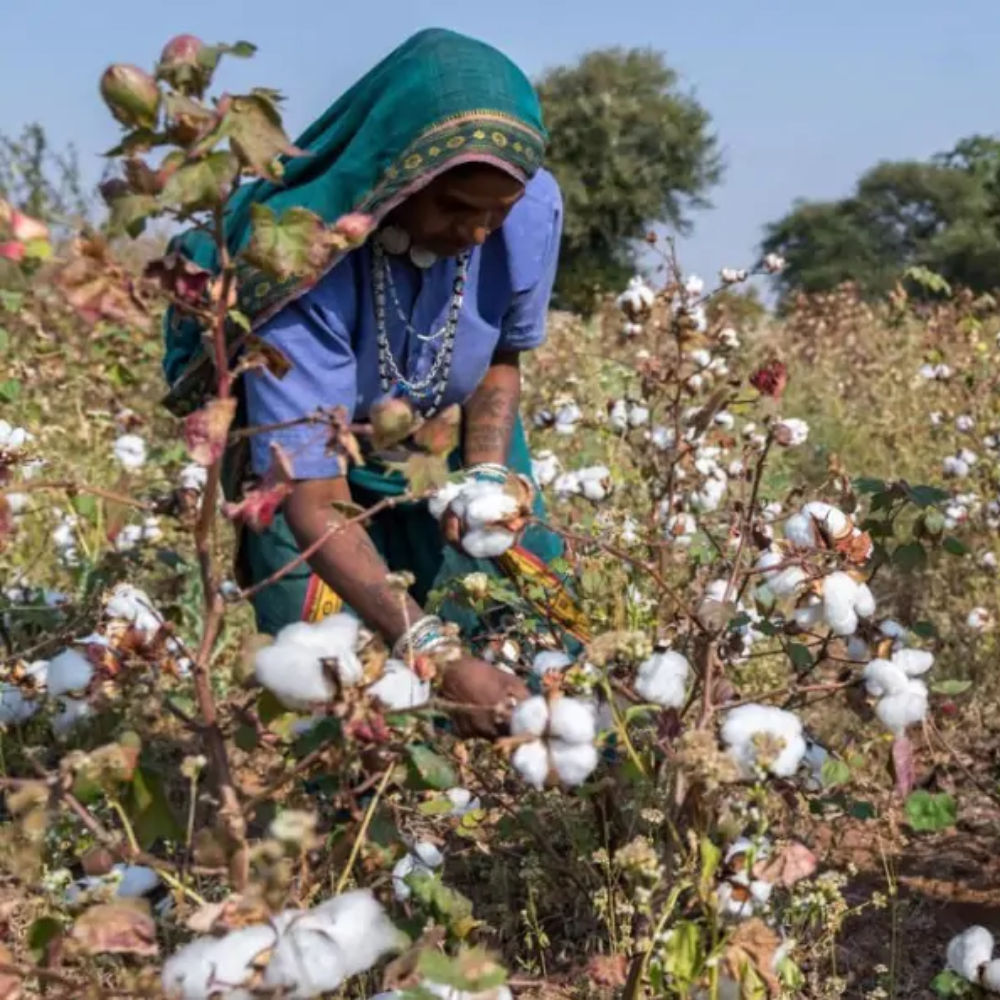
Strengthening India’s Textile Industry
India has one of the world’s largest textile industries, and cotton is its backbone.
Increasing domestic cotton production will help:
- Ensure stable raw material availability.
- Reduce dependence on imports.
- Improve competitiveness of Indian textile manufacturers.
- Strengthen exports of cotton-based products.
- Support employment across agriculture and textile sectors.
By increasing productivity, the Kapas Kranti Mission aims to create benefits throughout the entire cotton value chain.
Registration Through the i-Khedut Portal
Eligible farmers will be able to apply for assistance through the i-Khedut Portal, the Gujarat Government’s online platform for agricultural schemes.
As per the announcement, farmers meeting the eligibility criteria can submit their applications online. The registration process is expected to simplify access to benefits while ensuring transparency.
Applicants should keep necessary documents ready, including:
- Aadhaar card
- Land ownership records
- Bank account details
- Farmer registration information
- Other documents as required by the concerned department
The government may issue detailed operational guidelines and eligibility criteria before implementation.
Coverage Across Gujarat
The programme is expected to cover cotton-growing regions spread across 21 districts of Gujarat.
These districts contribute significantly to the state’s cotton production and include major agricultural belts where cotton remains an important source of income for farmers.
Through demonstrations, awareness programmes, technical guidance, and financial support, the government aims to improve productivity across a large cultivation area.
Importance of Increasing Cotton Productivity
India has traditionally been one of the world’s leading cotton producers. However, challenges such as changing weather conditions, pest infestations, rising cultivation costs, and inconsistent yields have affected production in recent years.
Improving productivity is essential because it helps:
- Increase farmer profitability.
- Enhance national cotton output.
- Reduce import dependency.
- Strengthen the textile manufacturing sector.
- Improve export opportunities.
- Support rural economic growth.
The Kapas Kranti Mission addresses these challenges by combining financial assistance with modern agricultural practices.
Conclusion
A Positive Step for Cotton Farming
The launch of the Kapas Kranti Mission marks an important initiative for India’s cotton sector. By providing financial assistance of up to ₹14,000 per hectare, encouraging scientific farming methods, and supporting farmers through structured implementation over five years, the mission seeks to improve both productivity and profitability.
In Gujarat, where over one lakh hectares across 21 districts are expected to be covered with an approved budget of ₹134.80 crore for the current year, the programme has the potential to benefit a large number of cotton growers. Farmers who meet the eligibility requirements will be able to apply online through the i-Khedut Portal until the announced deadline.
If implemented effectively, the Kapas Kranti Mission could play a significant role in boosting India’s cotton production, strengthening the textile industry, reducing import dependence, and improving the livelihoods of cotton farmers across the country.