





Wittelsbach Diamond Replica: History, Facts & the Legacy of a World-Famous Blue Diamond
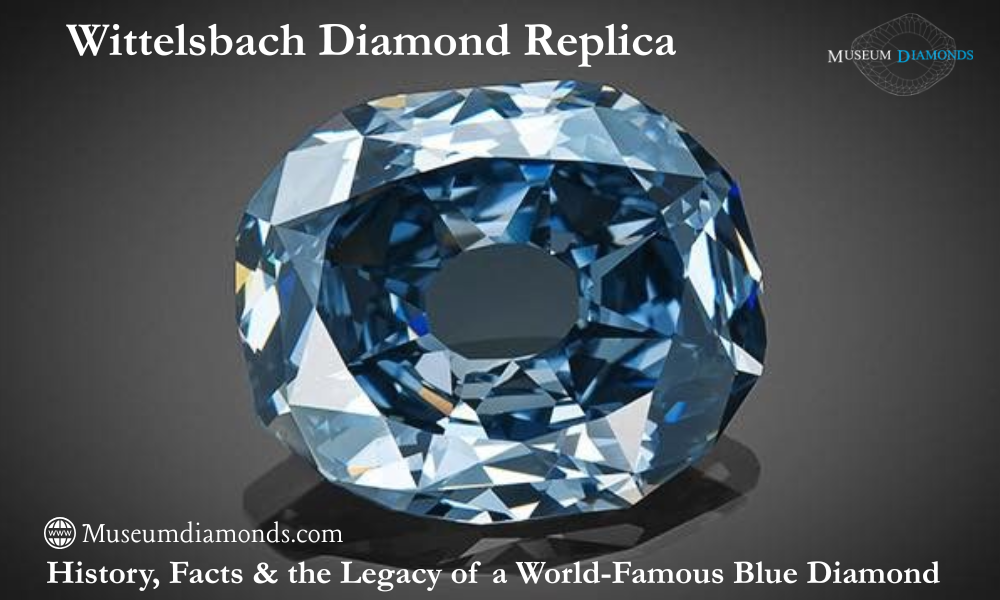
The Wittelsbach Diamond is one of the most fascinating gemstones ever discovered. Known for its extraordinary deep-blue color, royal heritage, and centuries-long journey through European history, this remarkable diamond has captivated collectors, historians, and gem enthusiasts alike. While the original diamond remains one of the world’s most valuable and famous gems, replicas of the Wittelsbach Diamond allow museums, jewelers, and admirers to appreciate its beauty and historical significance without access to the priceless original.
This article explores the history of the Wittelsbach Diamond, notable facts about the gem, and how replicas help preserve the legacy of this legendary blue diamond.
The Origins of the Wittelsbach Diamond
The Wittelsbach Diamond is believed to have originated from the famous diamond mines of India, specifically the Kollur Mine in the Golconda region. During the 17th century, Golconda diamonds were renowned for their exceptional clarity and unique colors, producing some of the most celebrated gemstones in history.
Historical records suggest that the blue diamond arrived in Europe through trade routes connecting India with European royal courts. The gem eventually became associated with powerful royal families, gaining recognition as one of the most prestigious diamonds in existence.
Originally weighing approximately 35.56 carats, the diamond possessed a rare steel-blue color that distinguished it from other gemstones of its era. Its brilliance and rarity quickly elevated its status among European nobility.
Royal Connections and the Wittelsbach Family
The diamond’s name comes from the House of Wittelsbach, a prominent European royal dynasty that ruled Bavaria for centuries. The gem became part of the Bavarian Crown Jewels and served as a symbol of wealth, authority, and prestige.
One of the earliest documented royal owners was Infant Margarita Teresa of Spain, who received the diamond as part of her dowry upon marrying Emperor Leopold I of Austria in 1666. Through dynastic marriages and inheritance, the diamond eventually entered the possession of the Bavarian royal family.
For generations, the Wittelsbach Diamond remained a treasured piece of royal jewelry. It adorned crowns, ceremonial ornaments, and important regalia used during state occasions. Its unique blue hue made it one of the most recognizable gemstones in European aristocratic circles.
Unique Characteristics of the Diamond
The Wittelsbach Diamond is celebrated not only for its history but also for its remarkable gemological properties.
Some of its most notable characteristics include:
- Deep grayish-blue coloration
- Exceptional clarity
- Historical old-mine cut
- Indian Golconda origin
- Strong fluorescence under ultraviolet light
- Rare Type IIb diamond classification
Type IIb diamonds are among the rarest diamonds on Earth. These gems contain trace amounts of boron, which contribute to their distinctive blue color. Only a tiny percentage of all diamonds belong to this category.
Because of these characteristics, gem experts often compare the Wittelsbach Diamond Replicas to other legendary blue diamonds, including the famous Hope Diamond.
Disappearance and Rediscovery
Like many royal treasures, the Wittelsbach Diamond experienced periods of uncertainty and disappearance. During political upheavals and changing monarchies, information regarding its whereabouts became limited.
After the fall of European monarchies and the restructuring of royal assets, the diamond disappeared from public view for decades. Many historians and gem enthusiasts wondered whether the stone would ever reappear.
In 1951, the diamond resurfaced, generating significant interest within the international gemstone community. Its reappearance reignited fascination with its history and renewed scholarly research into its origins and ownership.
The diamond subsequently changed hands several times through private sales and auctions, further increasing its mystique and value.
Modern Ownership and Controversy
One of the most significant moments in the diamond’s modern history occurred in 2008 when renowned jeweler Laurence Graff acquired the gem for a reported price exceeding $23 million.
Following the purchase, Graff made a controversial decision to recut the diamond. The goal was to improve its brilliance, symmetry, and clarity according to modern gem-cutting standards.
The recutting process reduced the diamond’s weight from approximately 35.56 carats to around 31.06 carats. While many gem experts praised the enhanced visual appearance, historians criticized the alteration because it removed part of the stone’s historical identity.
The transformed diamond became known as the Wittelsbach-Graff Diamond.
This debate highlighted an important question in the gemstone world: should historically significant gems be preserved in their original state, or improved according to modern standards?
The Importance of Wittelsbach Diamond Replicas
Because the original diamond is privately owned and rarely displayed, replicas play a vital role in preserving its story.
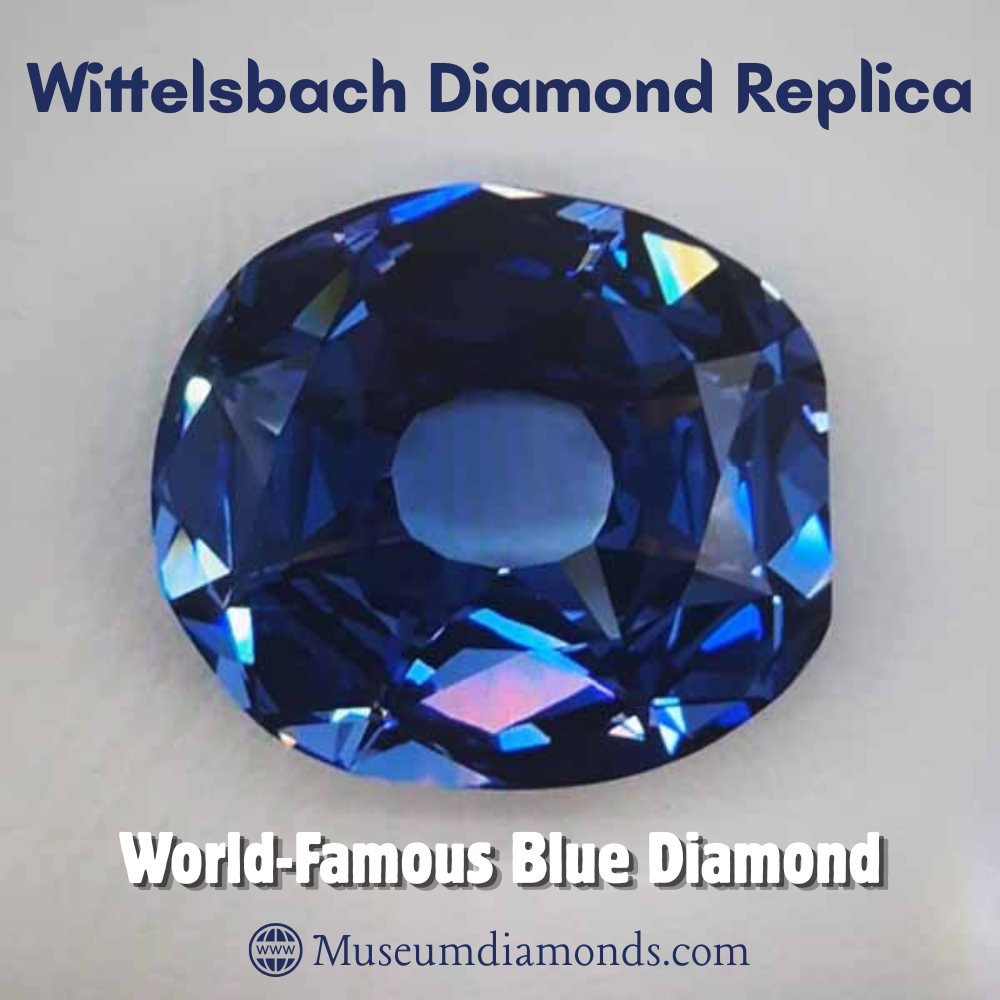
A Wittelsbach Diamond Replica is a carefully crafted reproduction designed to mimic the appearance, dimensions, color, and brilliance of the original gemstone. These replicas may be created using synthetic gemstones, crystal materials, cubic zirconia, or laboratory-grown diamonds.
Replicas serve several important purposes:
Educational Value
Museums and educational institutions often use replicas to teach visitors about the history of famous diamonds. A replica allows audiences to study the gem’s appearance without exposing the original to security risks or environmental damage.
Preservation of History
Since the original diamond underwent recutting, replicas based on earlier measurements help preserve the historical appearance of the gemstone. Researchers can compare the modern diamond with recreations of its original form.
Accessibility
Very few people will ever see the genuine Wittelsbach Diamond in person. Replicas make it possible for a wider audience to experience the visual beauty of the legendary gem.
Jewelry and Collecting
Collectors and jewelry enthusiasts often acquire high-quality replicas as display pieces. These reproductions celebrate the diamond’s history while remaining affordable compared to the priceless original.
Comparing the Wittelsbach Diamond and the Hope Diamond
The Wittelsbach Diamond is frequently compared to the Hope Diamond due to several similarities.
Both diamonds:
- Originated from India’s Golconda mines.
- Possess rare blue coloration.
- Belong to the Type IIb diamond category.
- Have royal and aristocratic histories.
- Rank among the world’s most famous gemstones.
Despite these similarities, each diamond has a distinct history and appearance. The Wittelsbach Diamond is known for its slightly grayish-blue tone, while the Hope Diamond displays a darker deep-blue color.
Together, they represent some of the finest examples of naturally occurring blue diamonds ever discovered.
Conclusion
The Wittelsbach Diamond remains one of the most important gemstones in history. Its journey from Indian mines to European royal courts, its centuries of ownership by powerful dynasties, and its modern transformation continue to fascinate people around the world.
Replicas of the Wittelsbach Diamond play a crucial role in preserving this legacy. They allow future generations to appreciate the gem’s historical significance, study its unique characteristics, and understand its place in the broader story of royal treasures and famous diamonds.
Whether viewed as a masterpiece of nature, a symbol of royal power, or a treasured artifact of world history, the Wittelsbach Diamond continues to inspire admiration centuries after its discovery. Through carefully crafted replicas, its remarkable story remains accessible to collectors, historians, and gemstone enthusiasts everywhere.