‘Fake’ young woman Vrutika Patel, with no real existence, is earning lakhs every month
In the rapidly evolving world of social media and digital marketing, a surprising trend has emerged virtual influencers. Among them, a name that has recently caught attention is Vrutika Patel, a young woman who, interestingly, does not exist in real life. Despite having no physical presence, she is reportedly earning lakhs every month through brand collaborations, content creation, and online engagement.
This phenomenon raises important questions about authenticity, technology, and the future of digital influence.

Who is Vrutika Patel?
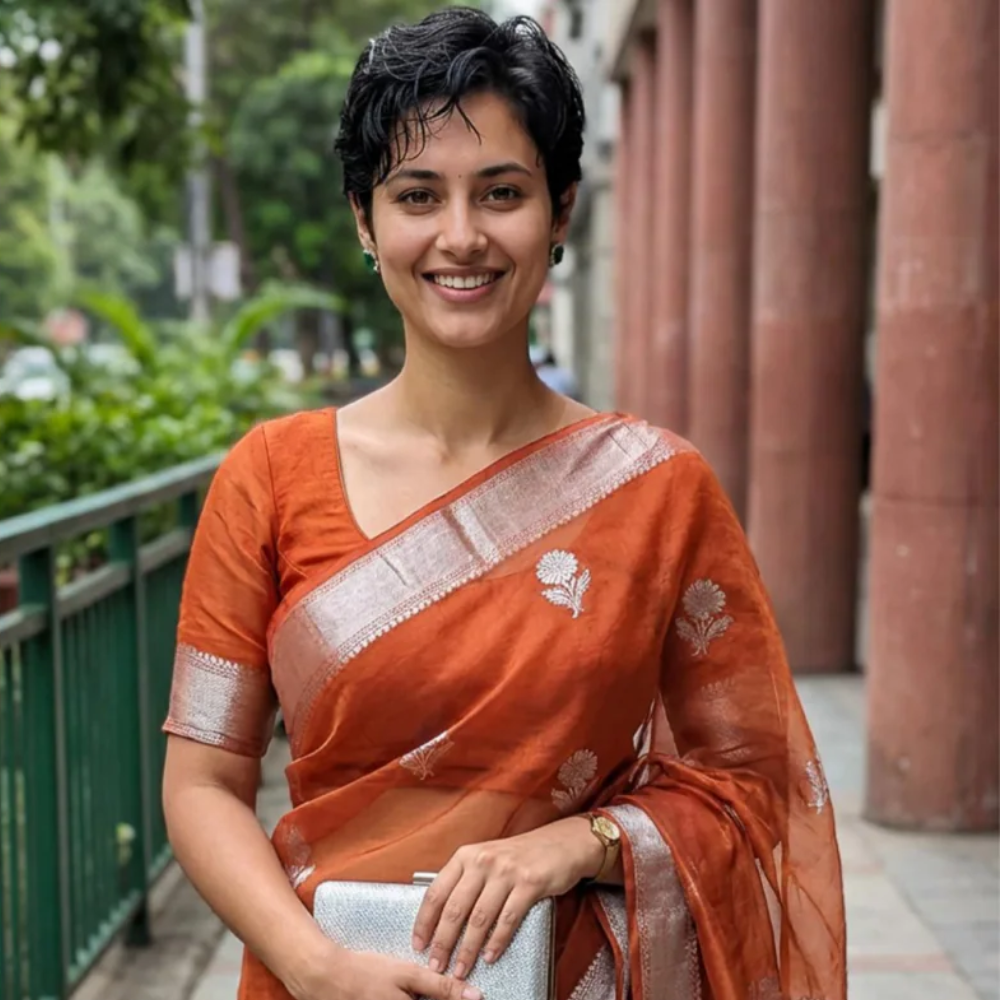
Vrutika Patel is not a real individual but a digitally created persona, designed using advanced tools like artificial intelligence (AI), 3D modelling, and graphic design. She appears like a real young woman on social media posting photos, sharing lifestyle content, and engaging with followers.
To an average viewer, there is little to no difference between her and a real human influencer. Her photos are realistic, her captions relatable, and her online presence carefully curated.
How Does a ‘Fake’ Influencer Earn Money?
Even without a real identity, Vrutika Patel generates income through several digital channels:
- Brand Collaborations
Companies collaborate with her profile to promote:
- Fashion brands
- Beauty products
- Lifestyle services
Since she is fully controlled by creators, brands get perfectly curated content without the unpredictability of human influencers.
- Sponsored Posts
Like real influencers, Vrutika posts promotional content:
- Paid Instagram posts
- Product placements
- Story promotions
Brands pay significant amounts depending on her reach and engagement.
- Content Licensing
Her images and videos can be reused by brands for:
- Advertisements
- Campaigns
- Social media promotions
- Digital Campaigns
Virtual influencers are often used in:
- Online ads
- Metaverse campaigns
- AI-driven marketing strategies
This opens new revenue streams that traditional influencers may not access easily.
Why Brands Prefer Virtual Influencers
The growing popularity of Vrutika Patel is not accidental. Brands see several advantages:
- Complete Control: No controversies or unpredictable behaviour
- Consistency: Always available for campaigns
- Creative Freedom: Can be designed in any setting or style
- Long-Term Value: Reusable digital asset for multiple campaigns
The Technology Behind Vrutika Patel
Creating a virtual influencer like Vrutika involves multiple technologies:
- Artificial Intelligence (AI) for realistic expressions
- 3D modelling for lifelike visuals
- Machine learning for audience engagement
- Advanced photo editing tools for high-quality content
These technologies work together to create a personality that feels human, even though it is entirely digital.
Social Media Impact
The rise of Vrutika Patel highlights a shift in how audiences consume content:
- Blurring Reality and Digital Identity: Many users cannot distinguish between real and virtual influencers
- High Engagement: Carefully crafted content drives strong interaction
- Curiosity Factor: The uniqueness attracts more attention and followers
Ethical and Transparency Concerns
While the concept is innovative, it also raises important concerns:
- Authenticity: Audiences may feel misled
- Disclosure: Should it be clearly stated that the influencer is virtual?
- Trust: Can people rely on recommendations from a non-human persona?
These concerns are becoming increasingly important as virtual influencers gain popularity.
Opportunities for the Future
The success of Vrutika Patel opens new possibilities:
- Growth of AI-driven digital marketing
- Expansion into Metaverse and virtual events
- Global reach without physical limitations
- Personalized content based on audience behaviour
Challenges Ahead
Despite its success, this trend comes with challenges:
- High cost of creation and maintenance
- Need for continuous innovation
- Risk of losing audience interest
- Possible future regulations
Why Vrutika Patel is Trending
The popularity of Vrutika Patel can be attributed to:
- Unique concept of a non-existent influencer
- Strong visual and branding strategy
- Growing acceptance of AI in daily life
- Increasing demand for digital content
Conclusion
The story of Vrutika Patel proves that influence is no longer limited to real people. With the rise of artificial intelligence and digital creativity, even a virtual personality can build a strong following and generate significant income.
While this trend offers exciting opportunities, it also challenges traditional ideas of authenticity and trust. As technology continues to evolve, virtual influencers may become a regular part of digital marketing.
The future of influence is changing and it may not always be human.