
Why Stolen iPhones Are Becoming Worthless: Apple’s New Security Crackdown on Phone Theft
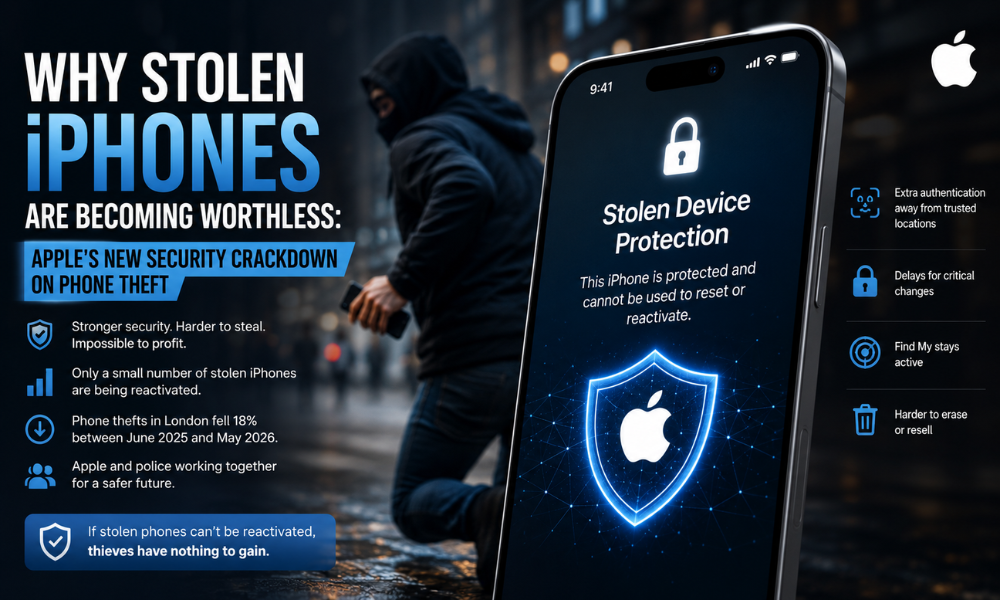
Thefts of smartphones have been on the rise lately, with many stolen phones being sold on profitable resale markets. In order to fight back against this increasing trend, Apple has implemented better security features to minimize the possibility of thieves resetting, reactivating, and reselling stolen iPhones. The Metropolitan Police in London claims that such new security upgrades are already making it harder for criminals to turn a profit off stolen phones. With the implementation of better anti-theft technologies along with close cooperation between law enforcement and Apple, the company has managed to change the economics of smartphone-related crime. Here is how the latest Apple technologies help make stolen iPhones less profitable.
The International Problem of Phone Thefts and Reasons Behind the Targeting of iPhones
Today, mobile phone theft is an increasingly frequent phenomenon occurring in large cities across the globe. Among other models of phones, thieves target expensive brands such as iPhone because such items can be easily sold overseas in order to generate additional profit. The fact is that such devices have high resell value on various global markets. Thieves ship stolen units abroad to be reset and then resold as working ones. In spite of the advancements made in smartphone technology, the problem persists as people find different ways to reset these devices to factory state.
This trend proves that mobile phone theft is still a very profitable business. However, experts argue that in order to tackle the problem effectively, it is important to deprive thieves of any financial interest in stealing such items. It would appear impossible to sell a device overseas once it cannot be reset or reactivated. This is why it is vital to focus on making it difficult for criminals to get anything out of their actions. In this regard, security updates introduced by Apple are aimed at discouraging such behavior.
Apple and Police Join Forces to Track Stolen Devices
To enhance the understanding of how to combat the crime of smartphone theft, Apple is working closely with the London’s Metropolitan Police in order to provide more detailed insight into the aftereffects of smartphone theft, particularly stolen iPhones. The goal is to determine if it is possible for these criminals to re-activate their stolen devices and sell them back into circulation.
The two parties are working together by sharing relevant data in order to identify weaknesses in existing security measures for smartphones and to help improve the levels of protection offered against the theft of devices.
Sir Mark Rowley, Metropolitan Police Commissioner, reported that early signs from the partnership are encouraging. Data shows that the small percentage of stolen iPhones that can currently be reactivated is significantly lower than the percentage from previous months. This decrease suggests that the enhanced security features of Apple products are making it increasingly difficult for thieves to be able to profit from their crimes. Law enforcement officials believe that lowering the resale potential of stolen smartphones is a significant deterrent to potential thieves.
This partnership between Apple and law enforcement also showcases a larger trend of how technology companies and law enforcement agencies can partner to address the increase in crime caused by advances in technology. By combining technical expertise and investigative resources to combat mobile device theft, both Apple and law enforcement officials can create stronger deterrents to this type of crime, which will ultimately improve public safety and the overall security of citizens.
How does Apple’s Stolen Device Protection make the theft less profitable?
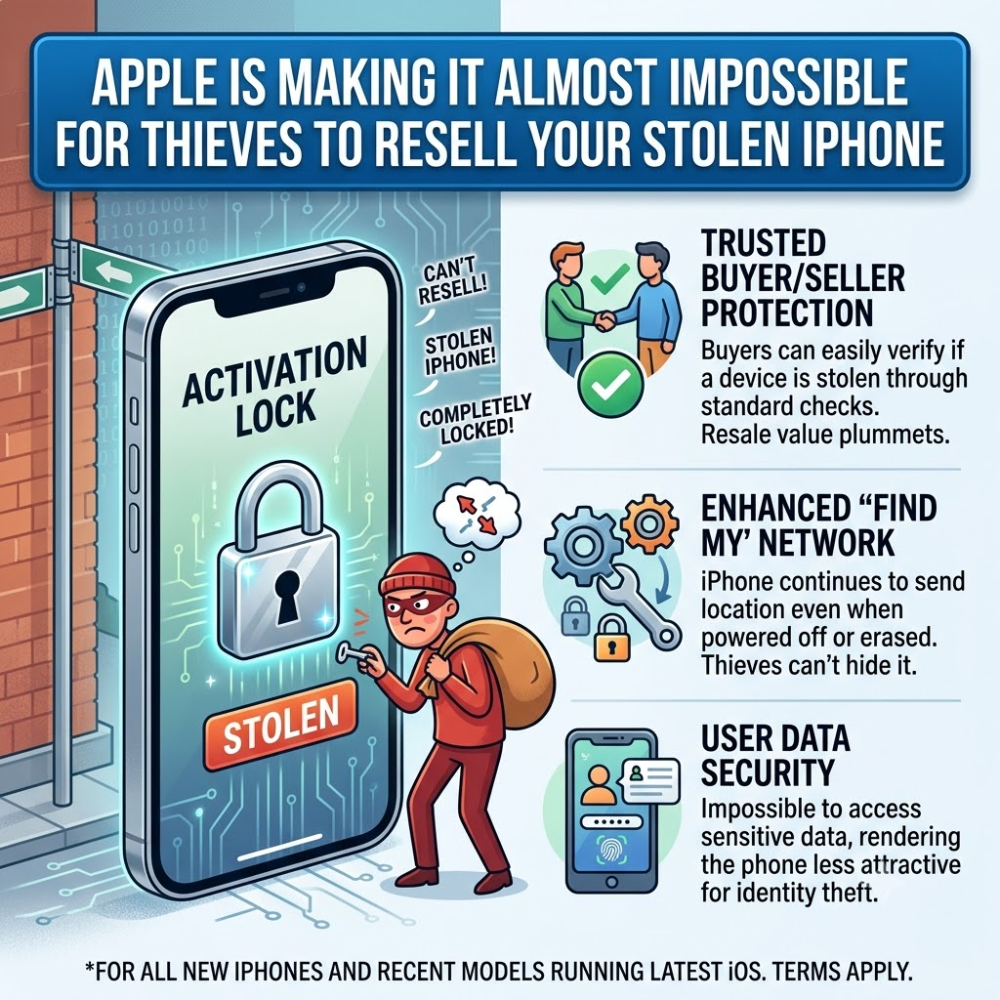
An essential element in Apple’s success in the fight against mobile phone theft is Stolen Device Protection, which has been made active in iOS 26.4 version by default. The main function of this service is to ensure that the thief cannot gain access to a stolen iPhone if he knows the passcode. Additional security steps become available when the smartphone is not in the vicinity of trusted locations like the owner’s home or office.
The restrictions include operations like modifying the Apple Account passwords, blocking the use of Find My app, erasing the device, removing Touch ID or Face ID, or adjusting other security parameters. To perform any action from this list, it might be necessary to pass a biometric verification step and even to wait while the security measures are being applied. During this period, the original owner will have time to declare the device lost, lock his account, and protect himself from unauthorized modifications.
The difficulty in reactivating and resetting the smartphone results in lower resale value on the black market. As a result, stealing becomes unprofitable for criminals.
Drop in Mobile Phone Theft Cases and Future Implications
The effects of the new security mechanisms adopted by Apple are clearly evident in crime figures. As indicated by the Metropolitan Police Department, mobile phone theft fell by around 18 percent in June 2025 to May 2026 as compared to the same period in the previous year. Increased law enforcement activity has been responsible for this achievement; however, experts attribute the decline in such cases partly to greater smartphone security.
This success is simply due to the fact that thieves are unable to reactivate, reset, or sell the phones after stealing them from their targets. The financial motivation involved in stealing phones becomes weak as a result of such mechanisms, thus reducing the attractiveness of carrying out such criminal acts. Therefore, technology firms can play a major role in preventing crimes by incorporating various security designs.
In the coming years, phone makers may choose to incorporate better anti-theft solutions to their products, which include improved biometrics, better tracking technologies, and enhanced remote-locking abilities. Such advancements will make the devices even more difficult to re-activate or sell after stealing them from their victims.
Conclusion
Recent developments by Apple regarding security reveal the way in which technology can be effectively used to lower criminal activities. Making it much more difficult to reset, reactivate, and sell their stolen products, Apple is trying to cut off the profits that make stealing phones such a profitable business. So far, it seems that the strategy is working quite well, as there have been fewer reactivations and less thefts reported lately. As anti-theft measures improve, thieves will not benefit anymore from stealing smartphones, and users will enjoy improved security.