
India’s First-Ever Ethanol-Powered Car Launched… 5,000 Fuel Pumps to Follow
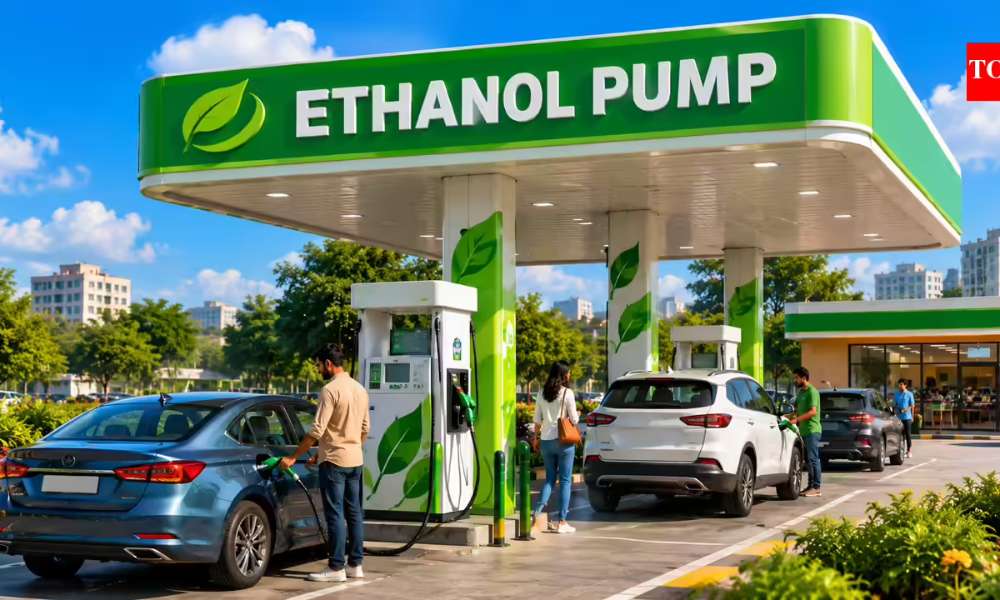
India has taken a significant step toward sustainable transportation with the launch of its first-ever ethanol-powered passenger car. The introduction of flex-fuel vehicle technology marks a new chapter in the country’s efforts to reduce dependence on imported crude oil, promote cleaner fuels, and support domestic agriculture. Along with the launch, plans are underway to establish nearly 5,000 ethanol fuel pumps across the country, creating the infrastructure needed to support widespread adoption of ethanol-based vehicles.
The initiative reflects India’s commitment to cleaner mobility solutions while strengthening energy security and creating new economic opportunities for farmers and fuel producers.
A New Era of Green Mobility
The newly launched flex-fuel car is designed to operate on a wide range of ethanol-petrol blends, including high ethanol concentrations and even 100 percent ethanol fuel in compatible systems. Unlike conventional petrol vehicles, flex-fuel vehicles offer greater fuel flexibility while reducing harmful emissions.
This technological advancement places India among a select group of nations actively promoting ethanol-based transportation. Countries such as Brazil have successfully adopted ethanol-powered vehicles for decades, demonstrating the potential of renewable fuels in reducing reliance on fossil fuels.
India’s move signals its determination to accelerate the transition toward cleaner and more sustainable transportation solutions.
What Is Ethanol Fuel?
Ethanol is a renewable biofuel primarily produced from sugarcane, maize, agricultural residues, and other biomass sources. Since it is derived from plant-based materials, ethanol is considered more environmentally friendly than conventional fossil fuels.
When blended with petrol, ethanol helps reduce carbon emissions and improves combustion efficiency. Higher ethanol blends can significantly lower greenhouse gas emissions while supporting domestic fuel production.
India has already implemented ethanol blending programs, gradually increasing ethanol content in petrol. The launch of a flex-fuel car represents the next stage in utilizing ethanol as a mainstream transportation fuel.
Why Flex-Fuel Vehicles Matter
Flex-fuel vehicles are specially engineered to run on varying fuel blends without requiring significant modifications. Drivers can use petrol, ethanol blends, or pure ethanol depending on fuel availability.
This flexibility provides several advantages. Consumers gain access to alternative fuel options, while the country benefits from reduced dependence on imported petroleum products. Since ethanol is produced domestically, greater adoption can strengthen energy independence and improve trade balances.
Flex-fuel technology also supports long-term sustainability goals by encouraging the use of renewable energy resources in transportation.
5,000 Ethanol Pumps to Support Adoption
One of the biggest challenges facing alternative fuel vehicles is fuel availability. To address this concern, plans have been announced to establish approximately 5,000 ethanol fuel pumps across India.
These fueling stations will initially be introduced in major cities and high-traffic transportation corridors before expanding into other regions. The growing network will ensure that flex-fuel vehicle owners have convenient access to ethanol-based fuels.
The expansion of fuel infrastructure is expected to play a critical role in encouraging consumer confidence and accelerating adoption of ethanol-powered vehicles throughout the country.
Reducing Dependence on Imported Oil
India is one of the world’s largest importers of crude oil, making energy security a major national priority. Fluctuations in global oil prices often affect transportation costs and economic stability.
The promotion of ethanol as an alternative fuel can help reduce reliance on imported petroleum products. By increasing domestic fuel production through agricultural resources, India can strengthen its energy resilience while minimizing exposure to international market volatility.
The development of a robust ethanol ecosystem aligns with broader government objectives of achieving greater self-reliance in energy production.

Benefits for Farmers and Rural Economy
The growth of the ethanol industry offers significant opportunities for India’s agricultural sector. Ethanol production relies heavily on crops such as sugarcane and maize, creating additional demand for agricultural produce.
As ethanol consumption increases, farmers may benefit from more stable markets and improved income opportunities. Ethanol plants can also generate employment in rural areas, supporting local economic development.
The integration of agriculture and energy production creates a mutually beneficial ecosystem where farmers contribute to the nation’s clean energy goals while receiving economic advantages.
Environmental Advantages
One of the most compelling reasons for promoting ethanol-powered vehicles is their positive environmental impact. Ethanol burns cleaner than conventional petrol and produces fewer harmful emissions.
The use of renewable biofuels can help reduce carbon dioxide emissions, improve air quality, and contribute to climate change mitigation efforts. Flex-fuel vehicles operating on higher ethanol blends can significantly lower their environmental footprint compared to traditional fuel-powered vehicles.
As cities continue to face challenges related to pollution and air quality, ethanol-based transportation may become an important component of sustainable urban development.
Automotive Industry Embraces Innovation
The launch of India’s first ethanol-powered passenger car reflects growing innovation within the automotive sector. Vehicle manufacturers are investing in new technologies that align with evolving environmental regulations and consumer preferences.
Automakers recognize that future mobility solutions will require a combination of cleaner fuels, advanced engineering, and sustainable practices. Flex-fuel vehicles provide a practical pathway toward reducing emissions without requiring entirely new transportation infrastructure.
The success of this initiative may encourage additional manufacturers to introduce ethanol-compatible models across various vehicle categories.
Challenges Ahead
Despite its potential, the widespread adoption of ethanol-powered vehicles will require overcoming several challenges. Expanding fuel distribution networks, increasing ethanol production capacity, and ensuring consistent fuel quality are essential steps.
Consumer awareness will also play an important role. Many drivers are unfamiliar with flex-fuel technology and its benefits. Educational campaigns and industry collaboration can help address misconceptions and encourage acceptance.
Additionally, balancing agricultural demand for food production and fuel generation will require careful planning to ensure long-term sustainability.
Conclusion
The Road Ahead
India’s launch of its first ethanol-powered passenger car represents more than just a technological achievement. It signals the beginning of a broader transformation in how the nation approaches transportation, energy security, and environmental responsibility.
With thousands of ethanol fuel pumps planned, growing support from policymakers, and increasing interest from vehicle manufacturers, the foundation for a robust ethanol economy is being established. The initiative has the potential to reduce fuel imports, support farmers, create jobs, and contribute to cleaner air across the country.
As flex-fuel vehicles become more common on Indian roads, the nation moves closer to a future where renewable fuels play a central role in powering economic growth and sustainable mobility. The launch of this pioneering vehicle may well be remembered as a milestone that accelerated India’s journey toward a greener and more self-reliant transportation ecosystem.