
Robots Dominate Online Marketplace Warehouses as Automation Expands
The rapid growth of e-commerce has transformed the way people shop, and behind this revolution lies a powerful force driving efficiency and speed—robotics. Across the world, online marketplace warehouses are increasingly relying on robots, automated systems, and artificial intelligence to manage inventory, process orders, and deliver products faster than ever before. What once seemed like a futuristic concept has now become a reality, with robots taking on critical roles in warehouse operations and logistics networks.
The Rise of Automated Warehouses
Modern e-commerce companies process millions of orders every day. Managing such enormous volumes manually is both time-consuming and costly. To meet growing consumer expectations for fast delivery and accurate order fulfillment, businesses are investing heavily in warehouse automation.
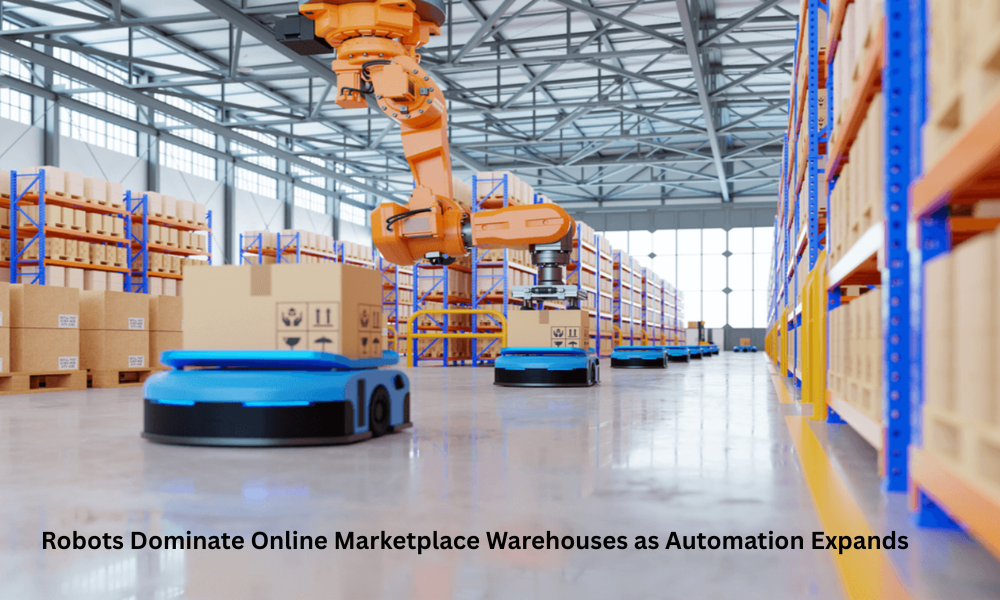
Automated warehouses utilize robotic systems to transport goods, sort packages, organize inventory, and assist human workers. These technologies significantly reduce processing times while increasing operational efficiency. Robots can work around the clock without fatigue, helping companies manage peak shopping seasons and sudden demand surges.
As online shopping continues to grow, automation is becoming an essential component of warehouse management.
Robots Streamline Inventory Management
Inventory management is one of the most important functions within a warehouse. Traditional methods often require workers to spend hours locating products and moving items between storage locations.
Today, autonomous mobile robots can navigate warehouse floors independently, transporting shelves and inventory to designated workstations. Advanced sensors and navigation systems allow these machines to move safely and efficiently through complex warehouse environments.
By automating inventory movement, businesses can reduce errors, optimize storage space, and ensure that products are readily available when customers place orders.
Faster Order Fulfillment Through Robotics
Consumers increasingly expect same-day or next-day delivery services. Meeting these expectations requires highly efficient order processing systems.
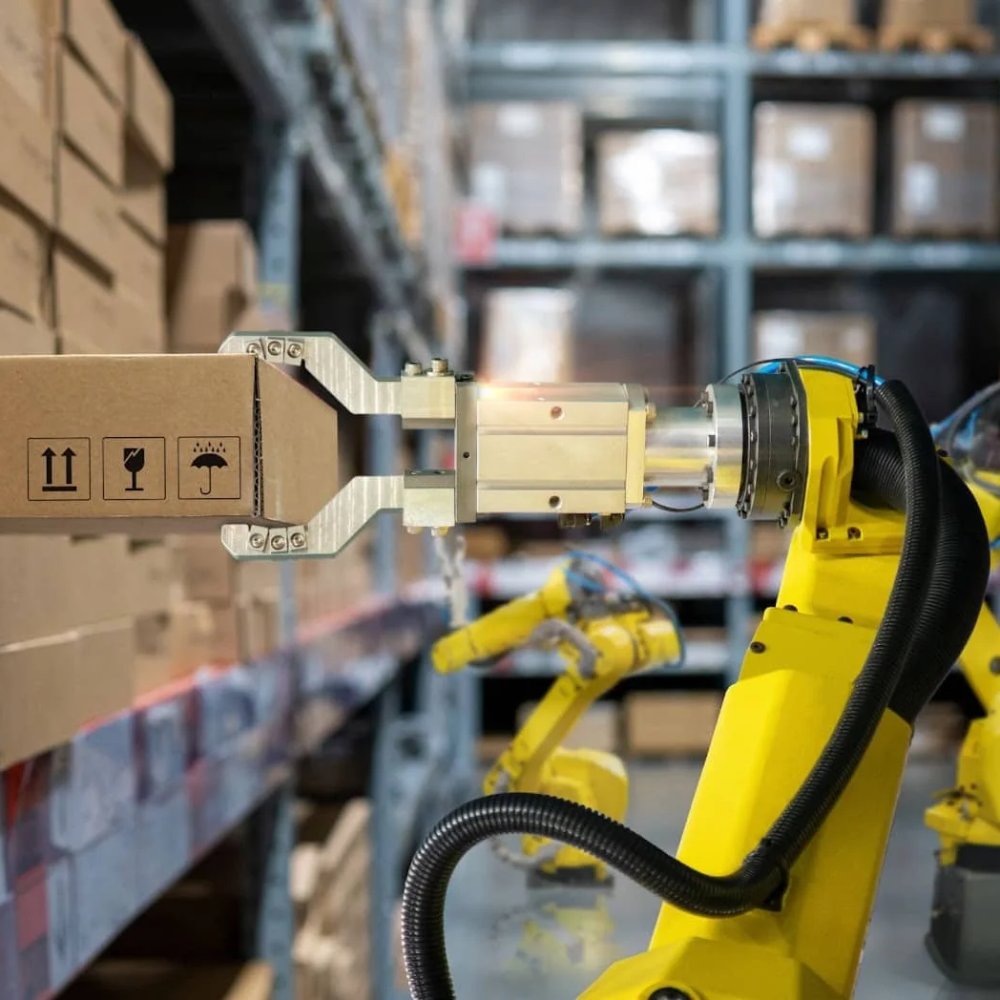
Warehouse robots help accelerate order fulfillment by quickly locating products and delivering them to packing stations. Automated sorting systems then categorize packages according to their destinations, ensuring smooth shipment processes.
This level of automation significantly reduces the time between order placement and dispatch. As a result, customers receive their purchases faster while businesses improve productivity and customer satisfaction.
Artificial Intelligence Enhances Operations
Modern warehouse robots are powered by artificial intelligence and machine learning technologies. These systems continuously analyze data to improve decision-making and operational efficiency.
AI-driven software can predict demand patterns, optimize inventory placement, and identify potential bottlenecks before they affect warehouse performance. Robots equipped with computer vision can recognize products, detect obstacles, and adapt to changing environments.
The integration of AI with robotics allows warehouses to become smarter and more responsive, helping businesses stay competitive in the fast-paced e-commerce industry.
Delivery Drones Enter the Logistics Network
Beyond warehouse automation, robotics is also transforming product delivery. Delivery drones are emerging as a promising solution for transporting packages quickly and efficiently.
These unmanned aerial vehicles can carry small parcels directly to customers, reducing delivery times and minimizing traffic-related delays. Drones are particularly useful in remote areas where traditional transportation methods may be less effective.
Several technology companies and logistics providers are actively testing drone delivery services, paving the way for a future where packages arrive at customers’ doorsteps within minutes of dispatch.
Improved Workplace Safety
Warehouse environments often involve repetitive tasks, heavy lifting, and constant movement of goods. These activities can lead to workplace injuries and physical strain for employees.
Robots help improve workplace safety by handling hazardous or physically demanding tasks. Autonomous machines can transport heavy loads, reducing the risk of injuries associated with manual lifting.
By allowing robots to perform repetitive operations, human workers can focus on supervision, quality control, customer service, and other higher-value responsibilities. This creates a safer and more productive working environment.
Cost Savings and Operational Efficiency
Although implementing robotic systems requires significant initial investment, the long-term benefits often outweigh the costs. Automation reduces labor-intensive processes, minimizes errors, and increases productivity.
Robots can operate continuously with minimal downtime, enabling warehouses to process larger volumes of orders without proportionally increasing staffing requirements. This scalability is particularly valuable during major shopping events and seasonal sales.
Businesses also benefit from reduced operational costs, improved inventory accuracy, and better resource utilization, all of which contribute to increased profitability.
Growth of Robotics in Global E-Commerce
The adoption of warehouse robotics is accelerating worldwide. Major online marketplaces, logistics companies, and retailers are investing billions of dollars in automation technologies to strengthen supply chain capabilities.
Countries with rapidly expanding e-commerce sectors are witnessing increased deployment of robotic solutions in fulfillment centers. As technology becomes more affordable and accessible, even small and medium-sized businesses are beginning to embrace automation.
The growing demand for faster deliveries and improved customer experiences is expected to drive further investment in robotics across global markets.
Challenges in Automation Adoption
Despite its advantages, warehouse automation presents several challenges. High implementation costs can be a barrier for smaller companies. Businesses must also invest in infrastructure, software integration, and employee training.
Technical issues such as system maintenance, cybersecurity concerns, and compatibility with existing operations require careful planning and management. Additionally, organizations must balance automation with workforce development to ensure employees can adapt to changing job requirements.
Addressing these challenges is essential for maximizing the benefits of robotic technologies.
New Opportunities for Skilled Workers
Contrary to concerns that robots will eliminate jobs entirely, automation is creating new opportunities in technology-focused roles. As robotic systems become more widespread, demand is increasing for engineers, technicians, programmers, data analysts, and automation specialists.
Workers are also taking on supervisory and management responsibilities related to automated operations. Training and skill development programs can help employees transition into these emerging roles.
The future workforce is likely to combine human expertise with robotic efficiency, creating a collaborative environment where technology enhances productivity rather than replacing people completely.
Conclusion
The future of e-commerce logistics will be shaped by continued advancements in robotics, artificial intelligence, and automation technologies. Smart warehouses equipped with autonomous robots, predictive analytics, and real-time monitoring systems will become increasingly common.
Delivery drones, self-driving vehicles, and robotic fulfillment centers will further streamline supply chains and improve delivery speeds. As technology evolves, businesses will be able to provide faster, more reliable, and more cost-effective services to customers.
Robotics is no longer a vision of the future—it is already transforming the present. Online marketplace warehouses around the world are embracing automation to meet growing demand, improve efficiency, and stay ahead in a highly competitive industry. As automation expands, robots will continue to play a central role in shaping the future of global commerce and logistics.