Spain Witnesses a Devotional Procession Resembling India’s Pilgrimages
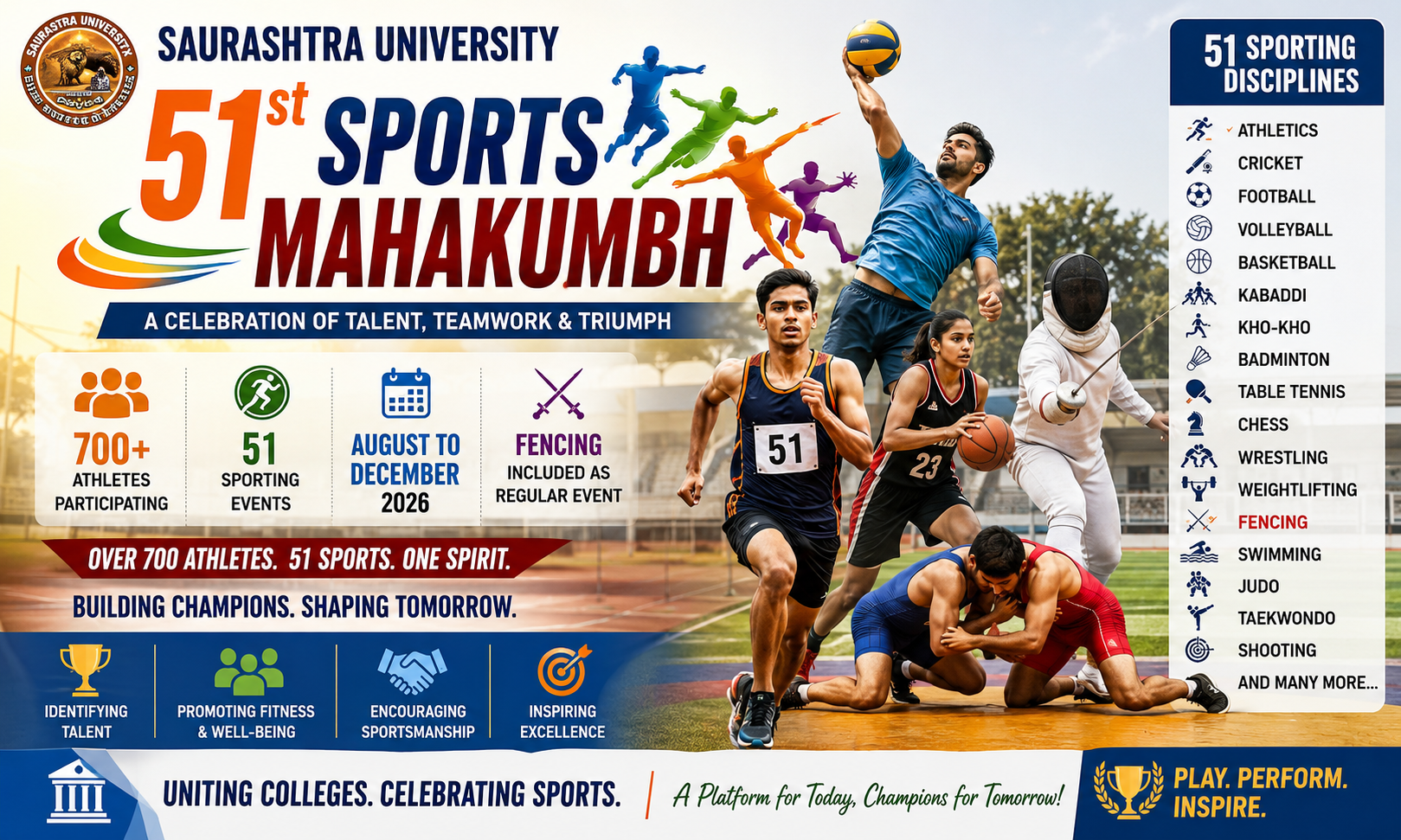
Spain recently witnessed a massive devotional procession that reminded many observers of the grand religious pilgrimages commonly seen in India. Streets overflowed with devotees, traditional chants echoed through historic neighborhoods, and an atmosphere of deep faith united thousands of people in a celebration that blended spirituality, culture, and centuries-old traditions.
The procession, part of Spain’s famous Holy Week celebrations, showcased the powerful role religion continues to play in public life. With enormous crowds gathering to witness sacred statues carried through city streets, the event created scenes strikingly similar to India’s large-scale yatras and temple festivals. The emotional devotion, collective participation, and festive energy reflected a universal human connection to faith and tradition.
A Tradition Rooted in History
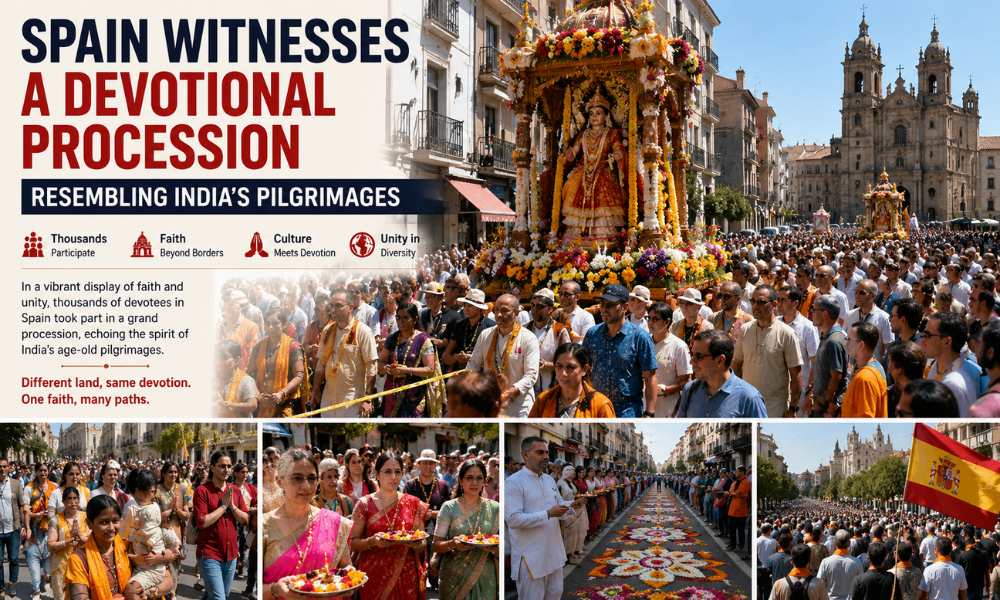
Spain’s Holy Week processions, known as Semana Santa, are among Europe’s most important religious traditions. These processions commemorate the final days of Jesus Christ’s life, including his suffering, crucifixion, and resurrection. The celebrations have been observed for centuries and continue to attract millions of worshippers and tourists every year.
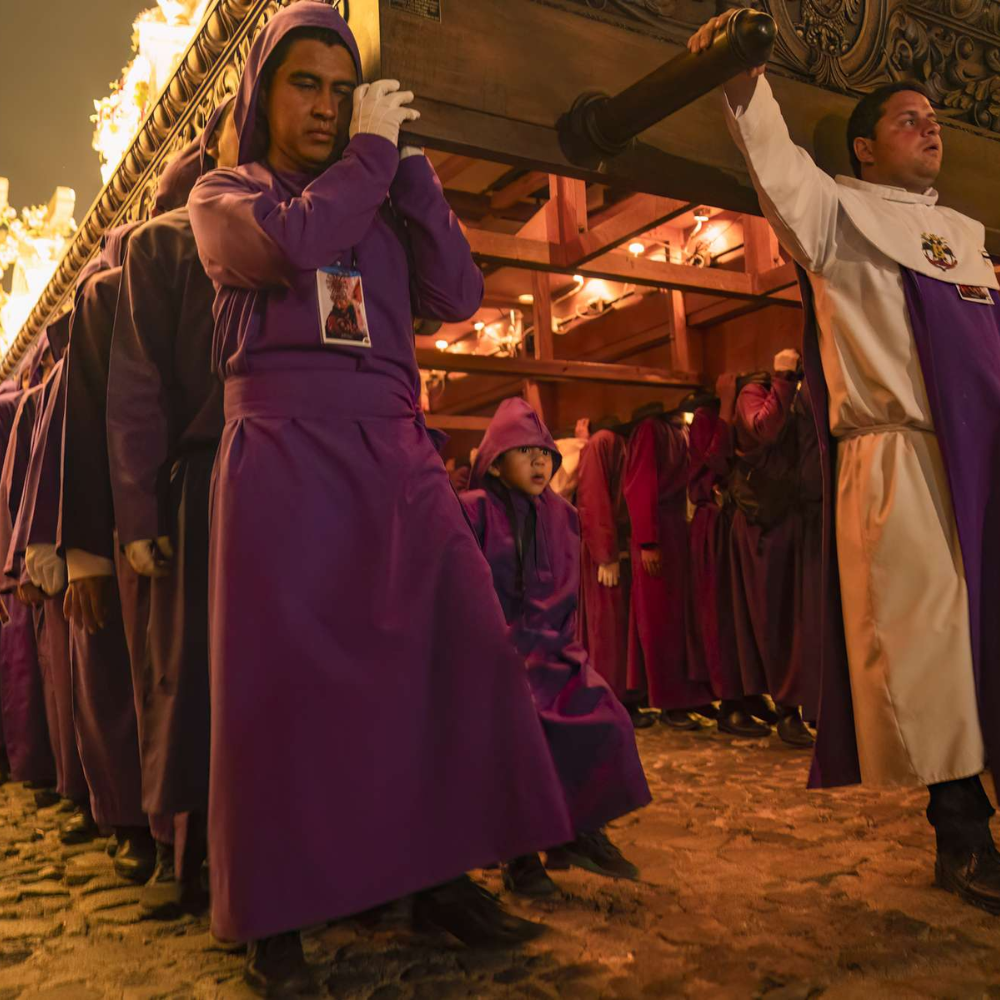
In many Spanish cities and towns, religious brotherhoods organize elaborate processions featuring beautifully decorated floats carrying statues of Jesus Christ and the Virgin Mary. Participants wear traditional robes and march slowly through the streets accompanied by prayers, music, and candlelight.
The scale and devotion associated with these processions often resemble India’s famous religious journeys such as Rath Yatras, Kanwar Yatras, and temple festivals, where faith brings together people from all walks of life.
A Sea of Devotees
One of the most striking aspects of the Spanish procession was the overwhelming crowd participation. Thousands of people lined the streets, many waiting for hours to catch a glimpse of the sacred figures being carried through the city.
The atmosphere reflected the following:
- Deep emotional devotion
- Community participation
- Spiritual unity
- Respect for tradition
- Collective celebration of faith
Just as India’s religious festivals often transform cities into spiritual gathering spaces, Spain’s Holy Week processions create a similar environment of reverence and excitement.
Families, children, elderly devotees, and visitors all became part of the experience, demonstrating how religious traditions continue to connect generations.
Similarities with Indian Pilgrimages
Observers frequently compare Spain’s devotional processions to India’s grand pilgrimages because of several similarities.
- Massive Public Participation
Like India’s spiritual yatras, Spain’s processions attract enormous crowds that fill streets and public squares.
- Sacred Processions
In both cultures, sacred idols or statues are carried ceremonially through public spaces while devotees offer prayers and chants.
- Emotional and Spiritual Connection
Participants express deep personal faith and emotional attachment to the religious symbols being honored.
- Cultural Celebration
The events are not only religious ceremonies but also cultural festivals preserving centuries-old traditions.
- Community Involvement
Local communities actively participate in organizing decorations, music, food arrangements, and security management.
- Tourism and Economic Activity
Large religious events generate tourism, support local businesses, and promote cultural heritage internationally.
These similarities highlight how spiritual traditions across different religions and countries often share common values of devotion, unity, and cultural identity.
The Importance of Semana Santa
Semana Santa is one of the most anticipated religious occasions in Spain. Cities such as Seville, Malaga, Valladolid, and Granada are especially famous for their elaborate celebrations.
The processions are carefully planned months in advance, involving:
- Religious organizations
- Local governments
- Volunteers
- Musicians and artists
- Security teams
- Cultural associations
Traditional music bands accompany the marches, while participants carry candles and religious banners through narrow streets filled with spectators.
The artistic floats used in the processions are often masterpieces crafted with gold decorations, flowers, and detailed sculptures. Many of these religious artifacts are considered priceless cultural treasures.
Faith Beyond Borders
The visual resemblance between Spain’s processions and India’s pilgrimages demonstrates that devotion is a universal human experience. Although the religions, rituals, and histories may differ, the emotional energy surrounding such events remains remarkably similar.
Faith-based gatherings often provide people with:
- A sense of belonging
- Spiritual comfort
- Emotional strength
- Cultural continuity
- Community bonding
In today’s fast-paced world, such traditions continue to remind people of their roots and shared values.
The Spanish procession also reflects how religious traditions can remain relevant in modern societies while adapting to changing times.
Tourism and Global Attention
Spain’s Holy Week celebrations attract visitors from around the world. International tourists travel to witness the grandeur, discipline, and emotional atmosphere of the processions.
The events contribute significantly to the local economy by benefiting:
- Hotels and accommodations
- Restaurants and cafes
- Transportation services
- Souvenir shops
- Tour guides and travel companies
Religious tourism has become an important sector globally, and Spain’s Semana Santa remains one of the world’s most recognized examples.
Similarly, India’s major pilgrimages attract millions of domestic and international visitors each year, creating strong cultural and economic impacts.
Challenges of Managing Large Gatherings
While such massive events are spiritually enriching, they also require careful planning and crowd management.
Authorities in Spain work extensively to ensure:
- Public safety
- Traffic control
- Emergency medical support
- Crowd movement management
- Security arrangements
- Cleanliness and sanitation
The smooth coordination between religious organizations, volunteers, and local administrations is essential for the successful execution of these processions.
India faces similar challenges during large-scale pilgrimages, where millions gather for religious occasions. Both countries demonstrate how effective planning can help maintain order during emotionally charged and densely crowded events.
Preserving Cultural Heritage
Religious processions play a vital role in preserving cultural heritage and historical identity. They allow younger generations to learn about traditions passed down through centuries.
In Spain, many families participate in the same religious brotherhoods for generations, maintaining continuity and pride in their customs.
These events also preserve the following:
- Traditional music
- Religious art
- Local craftsmanship
- Historical rituals
- Community values
Cultural preservation through public celebrations strengthens social identity and promotes respect for heritage in increasingly globalized societies.
A Symbol of Unity and Devotion
At a time when societies worldwide face stress, division, and rapid modernization, religious gatherings often become symbols of unity and emotional connection.
The Spanish procession demonstrated how faith can bring together thousands of people peacefully and respectfully. Despite cultural differences, the scenes of devotion strongly resonated with audiences familiar with India’s own spiritual traditions.
The event highlighted humanity’s shared desire for hope, meaning, and collective experience.
Conclusion
Spain’s grand devotional procession offered a powerful reminder that faith transcends borders, languages, and cultures. The scenes of crowded streets, sacred idols, emotional prayers, and community participation closely resembled the spirit of India’s famous pilgrimages and religious yatras.
The event was not only a religious ceremony but also a celebration of tradition, heritage, and collective identity. It showcased the enduring importance of spirituality in modern society and demonstrated how ancient customs continue to inspire millions around the world.
As Spain’s Holy Week processions continue to attract global attention, they stand as a testament to the universal nature of devotion and the remarkable ability of faith to unite people across generations and cultures.