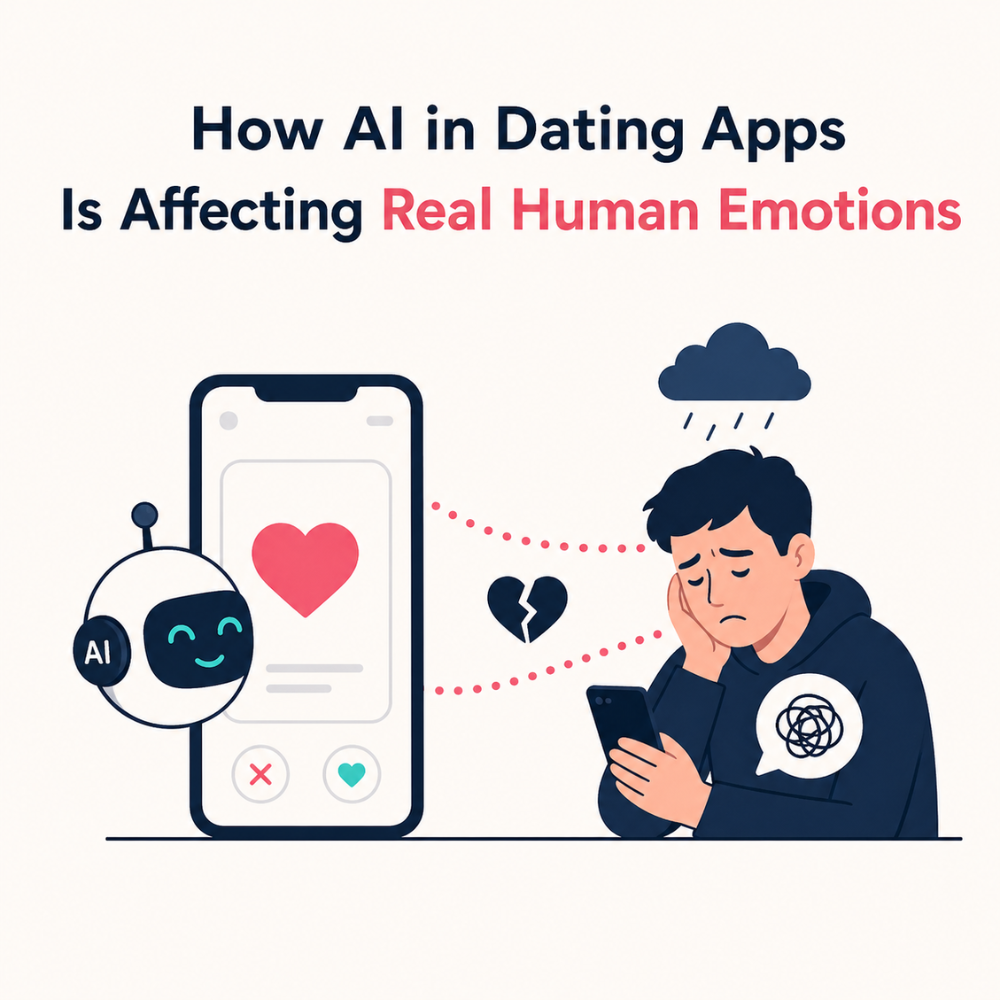
How AI in Dating Apps Is Affecting Real Human Emotions
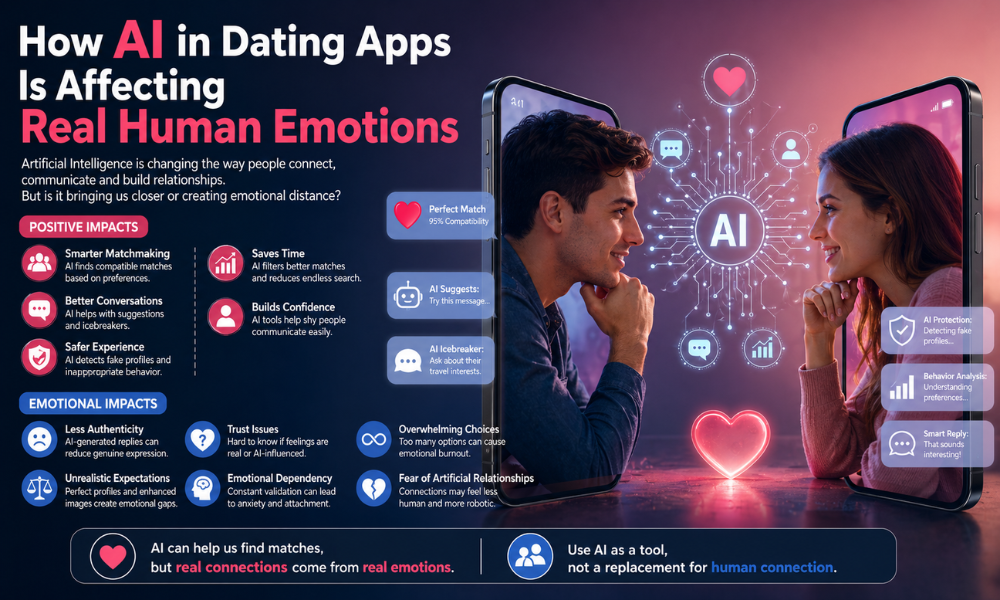
The rise of artificial intelligence in online dating apps has transformed the way people search for relationships, friendships, and emotional connections. Dating platforms are no longer limited to simple profile matching. Today, AI helps users create bios, suggest conversation starters, recommend matches, analyze behavior, and even predict compatibility. While these innovations make dating more convenient, they also raise important questions about emotional authenticity and human connection.
The Growing Role of AI in Dating Apps
Artificial intelligence has become a major part of modern dating applications. AI tools analyze user preferences, swiping behavior, conversation patterns, and profile activity to suggest compatible matches. These algorithms are designed to improve success rates by helping people connect with others who share similar interests and values.
Some common AI features in dating apps include:
- Personalized match recommendations
- Automated conversation suggestions
- Profile optimization assistance
- Fake profile detection
- Compatibility analysis
- Behavioral tracking for better recommendations
These tools create a smoother experience for users. Instead of endlessly browsing profiles, individuals receive curated matches based on data-driven predictions.
However, while AI simplifies the dating process, it may also influence emotional expectations and relationship dynamics.
AI Makes Dating Easier but Less Personal
One of the biggest advantages of AI is convenience. Dating apps powered by AI can quickly identify compatible matches and reduce time spent searching. This saves users effort and increases engagement.
But emotional connection is often built through unpredictability and natural conversation. When AI assists with replies, message suggestions, or profile improvements, interactions can feel less spontaneous.
People may begin to question whether they are connecting with a real personality or a digitally enhanced version created by technology. This uncertainty can impact trust and emotional sincerity.
Emotional Concern:
- Users may feel conversations are less genuine.
- AI-generated replies may reduce authentic expression.
- Relationships may start based on optimized impressions rather than reality.
AI Can Create Unrealistic Expectations
Dating apps already encourage users to present ideal versions of themselves. AI tools can intensify this behavior by helping users write attractive bios, choose better photos, and improve communication style.
While this may increase matches, it can also create unrealistic expectations.
When people meet in real life, emotional disappointment may occur if the online personality differs from reality. AI-enhanced profiles can create an emotional gap between digital identity and actual personality.
Emotional Impact:
- Increased pressure to appear perfect.
- Fear of rejection if true personality differs.
- Emotional confusion during in-person meetings.
AI may unintentionally encourage people to present a polished image instead of their authentic selves.
The Rise of Artificial Emotional Responses
Some AI systems are capable of generating emotionally intelligent responses. Dating apps may suggest romantic phrases, empathetic replies, or engaging conversation prompts.
While this helps users communicate better, it also raises concerns.
When AI contributes heavily to emotional conversations, it becomes difficult to know whether feelings are genuine or influenced by software assistance.
Examples:
- AI-generated compliments
- Suggested emotional replies
- Automated flirting prompts
- Smart response recommendations
These features can make communication easier but may weaken emotional honesty.
AI May Increase Dependency on Validation
Dating apps already provide instant validation through matches, likes, and messages. AI improves this system by increasing match accuracy and engagement rates.
This can create emotional dependency.
People may begin to rely on digital approval for confidence and self-worth. Frequent notifications, AI match recommendations, and constant interaction can create addictive behavior.
Emotional Effects:
- Seeking validation through matches
- Anxiety when responses are delayed
- Emotional highs from notifications
- Reduced confidence in offline communication
Over time, users may become emotionally dependent on digital attention rather than real-life relationships.
AI Improves Safety but Changes Trust
One positive impact of AI in dating apps is improved safety. Artificial intelligence can identify suspicious accounts, detect harmful behavior, and reduce fake profiles.
This creates a safer dating environment.
AI can also flag inappropriate language, scam activity, and unusual user behavior.
Benefits of AI Safety Features:
- Better fraud prevention
- Reduced catfishing risks
- Safer communication
- Improved trust in platforms
While safety improves, trust may shift from human judgment to algorithmic decisions.
Users may begin trusting AI systems more than their own instincts.
Emotional Burnout from Endless Choices
AI recommendation systems continuously provide new matches based on behavior and preferences. While this seems beneficial, it can also create emotional fatigue.
Too many choices may lead to decision overload.
People may constantly search for a “better” match rather than focusing on meaningful connections.
Emotional Consequences:
- Difficulty committing
- Fear of missing better options
- Reduced emotional investment
- Short-term interactions
AI can unintentionally encourage quantity over quality.
Instead of deep emotional relationships, users may experience repeated short-term conversations.
AI and the Fear of Artificial Relationships
Many people worry that dating apps may become too dependent on AI. Some fear relationships may lose emotional depth if technology controls communication.
Questions often arise:
- Are people falling in love with individuals or curated profiles?
- Are conversations authentic or AI-assisted?
- Is emotional attraction based on personality or algorithms?
These concerns create uncertainty in modern dating culture.
Emotional trust is built through vulnerability and honest interaction. If AI becomes too involved, relationships may feel artificial.
Positive Emotional Effects of AI in Dating
Despite concerns, AI also offers emotional benefits.
Many individuals struggle with social anxiety, communication barriers, or fear of rejection. AI tools can help users feel more confident.
Positive Emotional Benefits:
- Easier communication for shy individuals
- Better compatibility matching
- Reduced awkwardness in conversations
- Faster connection building
- Improved accessibility for introverts
For some users, AI creates opportunities to meet compatible partners they may never encounter in daily life.
Technology can help people feel emotionally supported when used responsibly.
Balancing Technology and Human Emotion
The future of dating apps depends on balance.
AI should support human interaction, not replace it.
Healthy relationships require emotional honesty, vulnerability, and genuine communication. While AI can assist in finding matches and improving conversations, emotional connection must come from real people.
Ways to Maintain Authenticity:
- Be honest in your profile.
- Avoid overusing AI-generated messages.
- Focus on meaningful conversations.
- Meet in person when possible.
- Trust emotional instincts.
- Use AI as a tool, not a replacement.
Maintaining authenticity helps preserve emotional depth in relationships.
Key Points to Remember
- AI helps improve matchmaking and convenience.
- Emotional authenticity may decrease with heavy AI usage.
- AI-generated responses can blur real emotions.
- Dating apps may create emotional dependency.
- AI improves safety and fraud prevention.
- Too many AI-based matches can cause burnout.
- Human emotion remains essential in relationships.
Conclusion
Artificial intelligence is transforming online dating in powerful ways. From smart matchmaking to conversation support, AI improves convenience and accessibility. However, it also changes how emotions develop in digital relationships.
While AI can strengthen connections, it can also create emotional uncertainty, unrealistic expectations, and dependency on technology. The emotional impact of AI in dating apps depends on how users interact with these tools.