





Why Premium Petrol Just Got Costlier While Regular Fuel Stayed Stable – What It Means for You
The recent increase in premium petrol prices has caught the attention of fuel consumers in the country, particularly those who own high-performance vehicles. Although the prices of regular petrol and diesel have been left untouched, the increase in high-octane fuels reflects a significant change in the fuel market. The increase in global crude oil prices and geopolitical tensions are major contributors to this issue. However, many people are concerned about a simple question: why are premium fuels targeted in this case?
What Triggered the Price Hike in Premium Petrol?
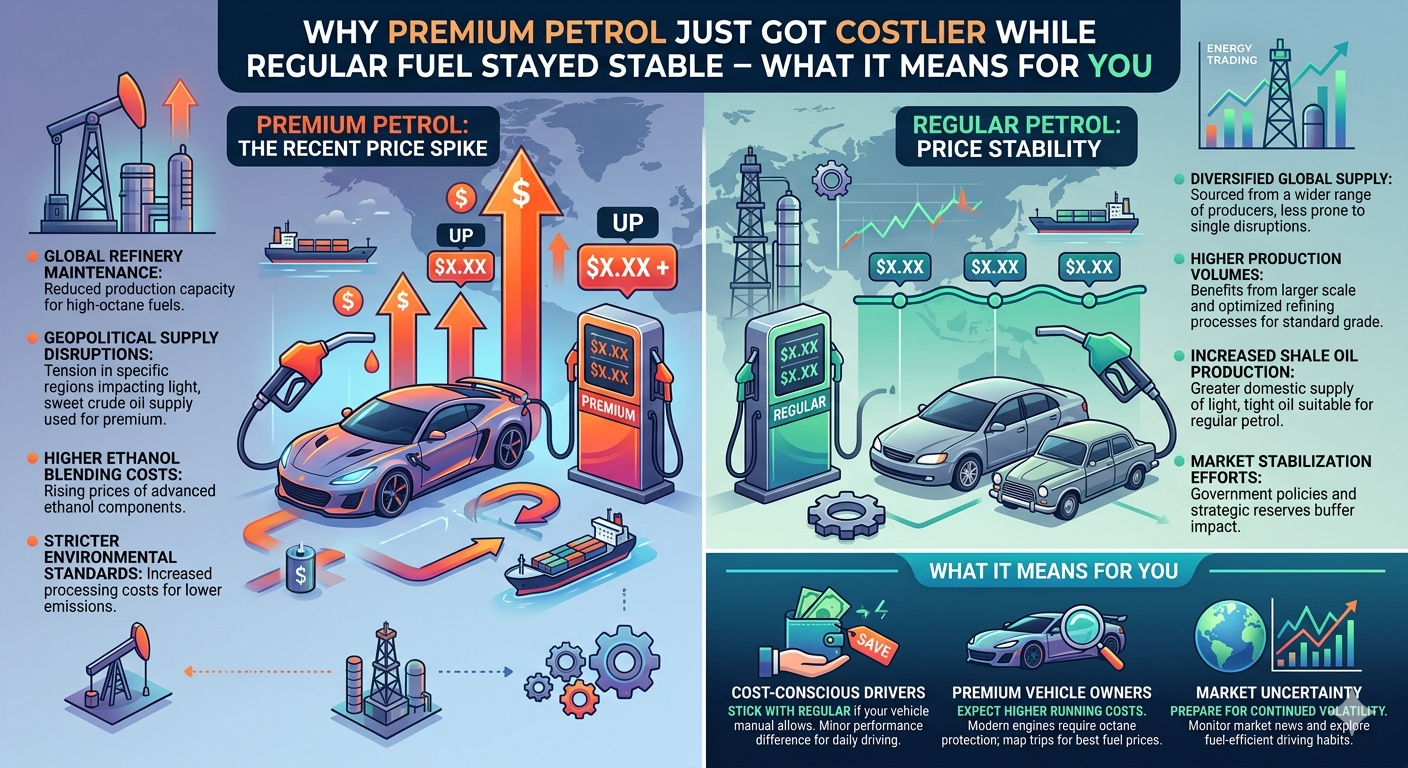
The recent hike in premium petrol prices has been mainly influenced by the increase in global crude oil prices and geopolitical risks, especially in West Asia. Being a highly crude oil-dependent economy, India is highly vulnerable to fluctuations in international crude oil prices. Whenever crude oil prices go higher, oil companies are forced to increase prices, which directly impacts oil prices in India. Instead of increasing prices of all oil variants, oil companies are choosing a selective hike in premium petrol prices only. This helps oil companies to mitigate some of their costs and avoid impacting the rest of the population.
Another factor that has influenced oil prices is fluctuations in currencies, especially a decline in the value of the rupee relative to the dollar. Moreover, oil prices are also getting impacted by supply risks, especially in West Asia, where oil prices are volatile because of geopolitical risks.
What Are the Key Differences Between XP95 and Power Petrol?
XP95 and Power Petrol are examples of premium petrol options and stand out from regular petrol through their increased performance in car engines. They are constructed with higher octane ratings, allowing them to take much more compression before igniting, which means your engine will run smoother, be more fuel-efficient, and produce less knocking — particularly if you drive a car that runs on petrol designed for a high-performance engine. As a result, many car manufacturers expressly recommend using high-octane petrol in cars that use advanced engine technology, as this will help maintain optimal performance. In addition to providing better performance, some premium fuel products also contain add-on additives which aid in cleaning engine parts and reducing emissions (depending on their intended use). Conversely, there may not be a significant difference in the benefits provided by premium petrol for the majority of popular passenger vehicles; therefore, usage of premium petrol is generally limited to a relatively small proportion of users. For this reason, users who prioritise performance and engine longevity still choose premium-grade products even though they are generally more expensive.
Reason Why Petrol, Diesel Prices Remain Unchanged
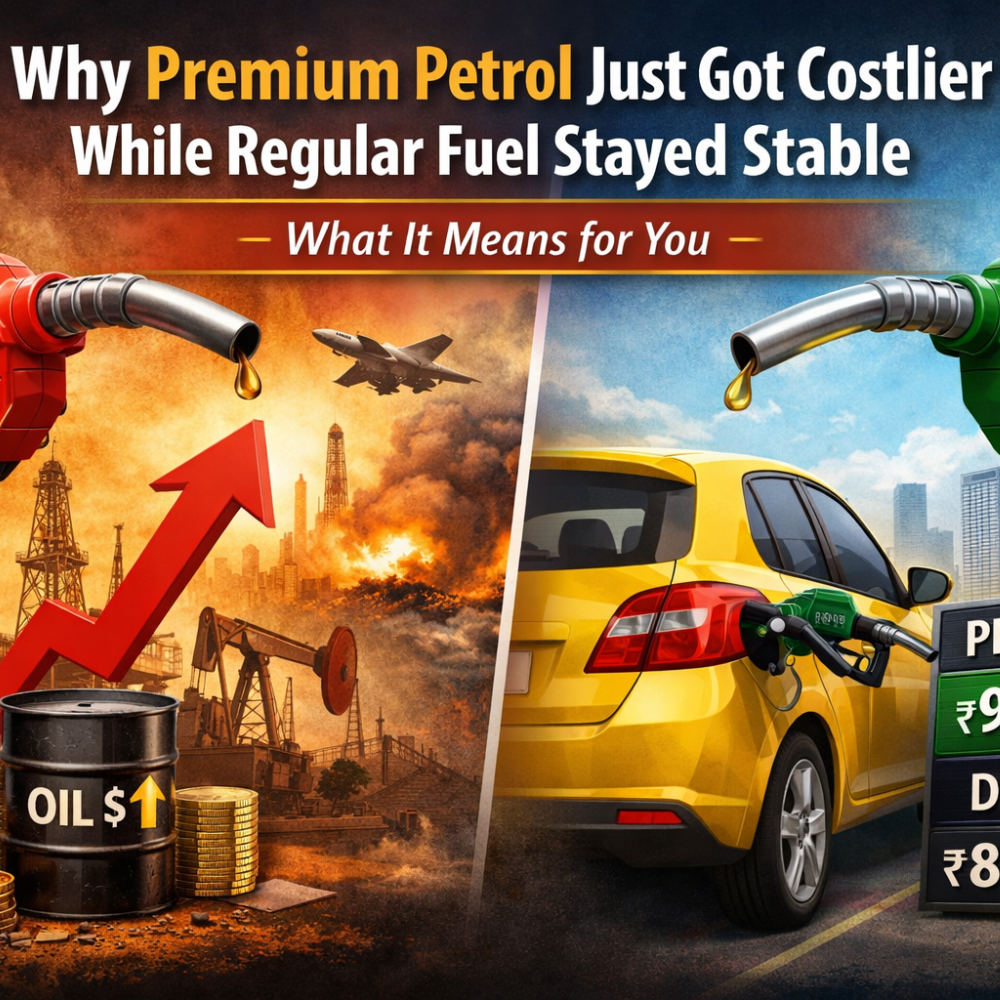
Despite recent increases in the price of premium petrol, the price of both regular petrol and diesel has remained stable. This reflects a strategic approach to pricing. The price of fuel sold in India is determined using multiple variables including global crude oil prices, Government policies and inflation pressures. Increasing the price of regular fuel affects transportation costs, leading to a ripple effect on other consumer goods/services. To avoid increasing inflation and dissatisfaction among the general public, oil companies/governments frequently do not raise prices for commonly utilised fuels. Instead, they are more inclined to raise prices on premium products which affect a smaller population of users. In general, this provides a means for oil companies/government(s) to manage downward pressure from the various economic factors while sustaining steady prices for the majority of users. Furthermore, it highlights the cautious attitude of the oil supply authorities in balancing both market conditions and public opinion.
Impact on Consumers and the Automobile Market
The recent price increases in premium grades of gasoline will likely have some effect but will be limited to the users of premium gasoline (i.e., the owners or drivers of higher-end performance cars). By far, the most significant impact of higher-priced gasoline amongst the general population has been rather small and nominal. However, the increased monthly fuel costs for those currently using premium will lead some consumers to rethink gasoline purchases. If prices continue to widen between the two fuel grades, it may lead consumers considering the purchase of a premium or luxury vehicle to change their purchasing patterns. As a result, auto manufacturers may place additional emphasis on fuel economy and the ability to use regular-grade gasoline as part of their overall selling proposition. While this change will be relatively small at present, continued price increases of premium gasoline may have a more significant impact on consumer choice and fuel consumption patterns over the long-term.
Conclusion
In conclusion, the selective increase in the prices of premium petrol can be viewed as a balancing act by oil companies amidst increasing uncertainties at the global front. Though the impact may not be significant for a particular section of users, it does indicate the underlying costs associated with the fuel industry. In the overall scenario, the stability in prices of regular petrol may come as a relief for users, while at the same time underscoring the extent to which global events can shape our lives subtly.