




Electric Vehicles in India: Revolution on Wheels or Roadblocks Ahead?
India is in a crucial stage in its path towards a cleaner and sustainable form of mobility. With high fuel costs, increasing pollution, and rising awareness about the environment, electric vehicles are gaining significant attention in the country. Initiatives taken by the government and improvements in technology are further speeding up the process. But is India really ready for a complete switch to electric mobility?
Current State of EV Adoption in India
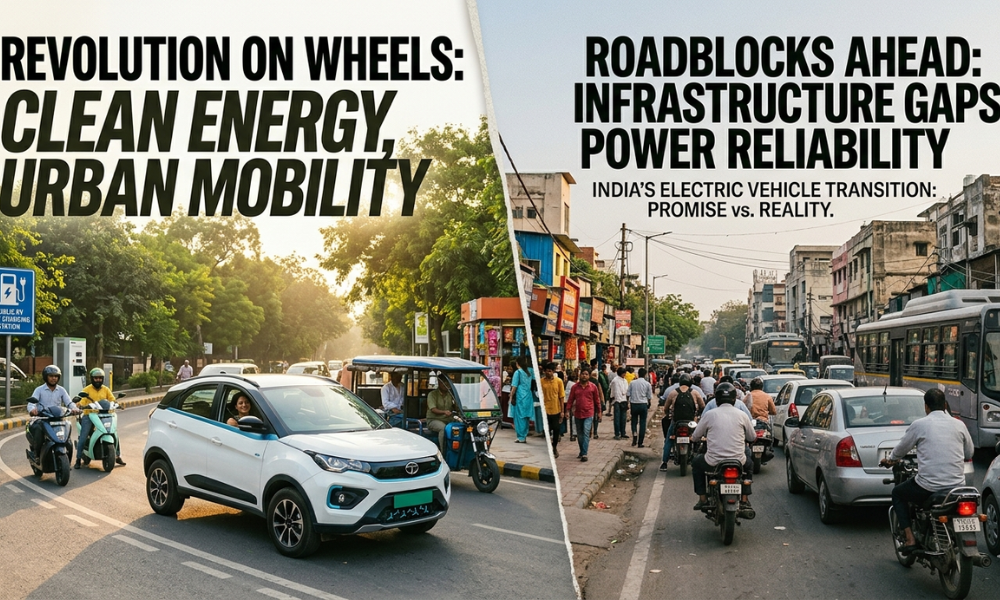
Electric vehicle adoption in India is rising steadily over the past few years. Various environmental concerns and the need to move away from fossil fuel dependence have been the key drivers of the increasing popularity of electric vehicles. Major automobile brands like Tata Motors, Mahindra Electric, Ola Electric, etc., are adding new electric vehicles to their portfolio. Two-wheeler and four-wheeler electric vehicles are becoming increasingly popular. In the case of two-wheelers like scooters and bikes, they are becoming increasingly popular due to the cost-effectiveness of electric two-wheelers. In addition to this, the emergence of new electric vehicle brands is also adding momentum to the growth of the electric vehicle segment. Despite the steady growth of the electric vehicle segment in India, the penetration of electric vehicles is still low compared to conventional vehicles.
Charging Infrastructure: The Biggest Challenge
The biggest hurdle to widespread electric vehicle uses in India is the inability of charging infrastructure. Recently, public charging stations are starting to be located throughout larger cities, but there are still a lot of areas with less than adequate charging options, causing many consumers to have worries of running out of charge (known as range anxiety) from being unable to locate a nearby charging station. Another deterrent to purchasing an electric vehicle for many is the length of time it will take for an electric vehicle (EV) to be recharged as compared to how quickly a conventional vehicle can be refuelled. Many companies, including Indian Oil Corporation and NTPC Limited, are putting money into expanding charging networks, but the current rate of expansion must increase dramatically for there to be sufficient infrastructure for consumers to have access to charging in a satisfactory manner in order to achieve mass adoption of EVs in India. Last but certainly not least, current infrastructure for EVs primarily supports urban-based users via home charging options; however, these options are not feasible for all consumers, with those living in multiple dwelling units (e.g. apartments) being severely limited when it comes to charging options. A great deal of continued investment must occur in order for India to achieve a mass market for EVs; specifically, a robust, reliable, and fast charging station network must be made available throughout the country.
Government Policies and Incentives Leading to the Shift
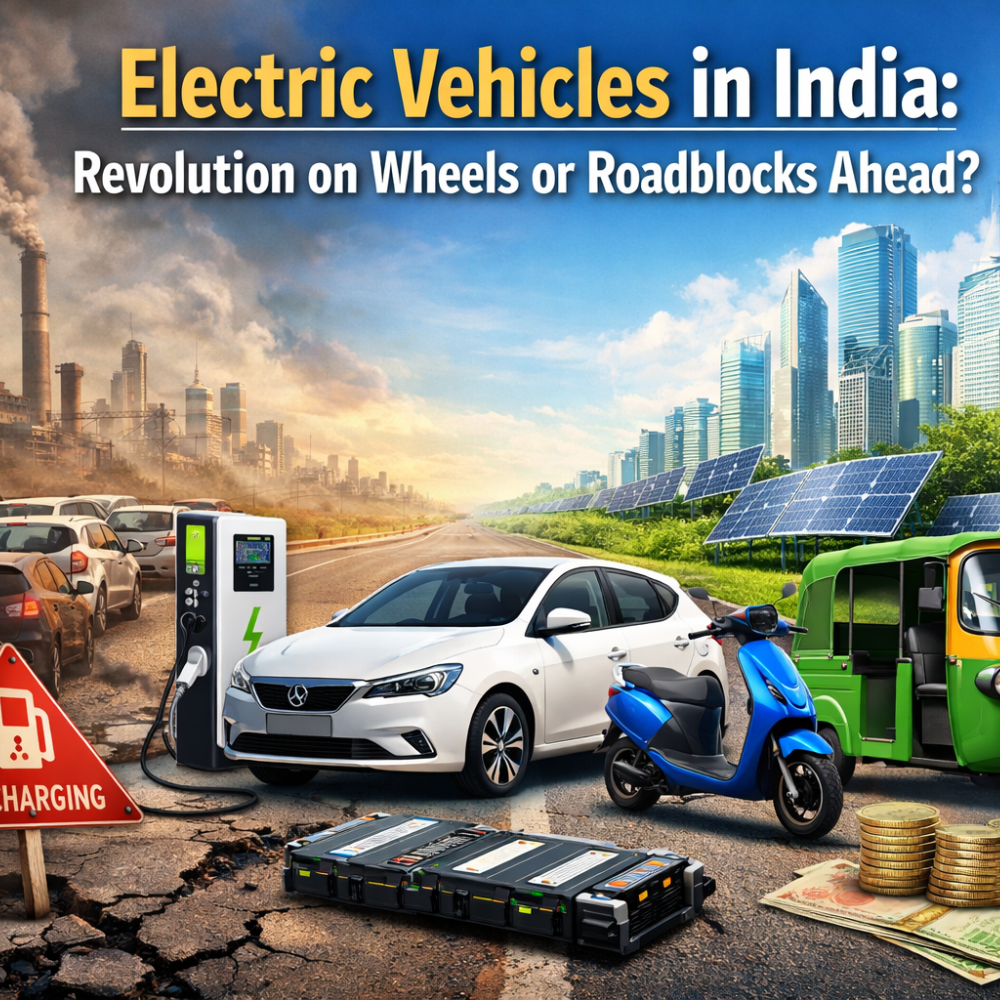
The Government of India has played an important role in supporting electric mobility (EM) by providing financial assistance through its various initiatives and programs, including the Faster Adoption and Manufacturing of Electric Vehicles in India (FAME-India) Scheme, which provides financial incentives to both manufacturers and consumers; state governments also have implemented their EV policies that offer tax exemptions and no-registration fees, as well as financial incentives for electric vehicle (EV) recharge-infrastructure development and installation. By implementing these types of initiatives, the Indian Government has been able to lower the overall cost of EV ownership and provide more opportunity for investment in the EM sector. Additionally, the Government of India intends to strengthen the local manufacturing infrastructure needed to produce batteries and other EV components so that there is less reliance on imported goods. While these initiatives have created a greater amount of interest in EM, they will only be effective if they are improved upon by continued policy implementation and commitment of both the central and state levels of government to maintain long-term support for continued growth of the EM sector and to rebuild the confidence of consumers and manufacturers within the sector.
Cost, Battery Technology, and Consumer Mindset
The cost of electric vehicles is a major factor for the people of India, even though electric vehicles are cheaper in terms of running costs. A major portion of the cost of electric vehicles includes the cost of the battery. In addition, the cost of the battery is one of the factors that decide the performance of the electric vehicle. There are advancements in electric vehicle technology, such as improvements in lithium-ion and the development of solid-state batteries, which can make electric vehicles efficient in the near future. In addition, the mindset of the people of India plays a major role in the adoption of electric vehicles. There are people who are hesitant to buy electric vehicles due to a lack of confidence in the new technology.
Conclusion
Clearly, the shift towards electric vehicles is underway in India. However, it is a long-term process. Even though the increase in the use of electric vehicles, the policies in favor of them, and the technological developments are all positive signs, it is important to look at the challenges and overcome them. Only then can we say that electric vehicles are not only the future of transport in India, but the present as well.