
Global Oil Crisis 2026: How the Middle East Conflict Is Affecting Everyday Life
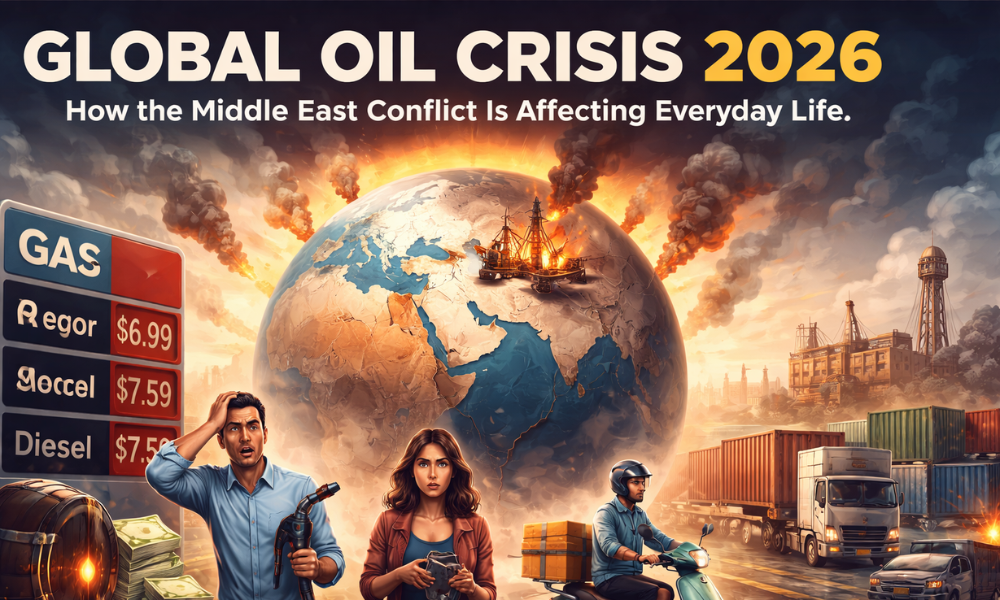
The global oil crisis of 2026 has emerged as one of the most pressing issues of the day. The ongoing crisis in the Middle East has affected oil supplies, resulting in a sudden surge in oil prices. While oil prices are rising, the prices of other essentials are also rising. The global oil crisis of 2026 is no longer about oil; instead, it’s about our lives. It’s about our future. It’s about our tomorrow. It’s about our today.
Rising Fuel Prices and Household Budgets
The first and perhaps most immediate impact of the oil crisis is the rising fuel prices. The cost of petrol, diesel, and even cooking gas has increased many times. This has put tremendous pressure on family budgets. For many families, especially those in developing nations, fuel costs have increased. This includes costs such as fuel for commuting or even ride-hailing. Furthermore, fuel costs also affect electricity costs for many nations. For many families, even activities such as grocery shopping or ordering meals online have increased costs due to fuel. This has put tremendous pressure on middle-class and low-income families. For many families, cutting back on non-essential expenses has become an essential activity. This has had an overall impact on their lifestyle and has affected their ability to save and invest. The oil crisis is not simply an economic event. Rather, it is an economic challenge for many families.
Impact on Global Supply Chains and Product Prices
The disruption of fuel supply has caused multiple global supply chain disruptions and increased prices worldwide based on that supply disruption. Without fuel, there will be significant problems with transportation logistics for shipping (i.e. trucks, ships, airplanes). The raw materials and finished goods’ costs will significantly rise due to increasing oil prices. As a result, manufacturers have higher production costs, which will be passed on to consumers.
Many items that are purchased daily, such as groceries, electronics, clothing, and medicine, are all increasing in price as a result of rising production costs associated with the rising cost of oil.
The shipping delays from sea-to-land or air-to-land or the reduced number of trucks transporting products will increase shipping times and decrease the number of shipping days available. Therefore, depending on what industry you shop in, you may find your basic needs, such as food and clothing, becoming less affordable and accessible due to increased consumer purchase prices from companies passing along these price increases (i.e. increased price for consumer electronics, food items, and clothing).
Small businesses are particularly affected by this disruption because they typically do not have the same ability or resources to absorb the rising costs of oil like larger businesses do, and they may cease to operate due to rising costs while continuing to enjoy a certain level of competitiveness. Unfortunately, the oil crisis creates a ripple effect within various industries, leading to increased costs and reduced access to necessities and other daily items. Consequently, consumers are paying significantly more for the same products or services than they did previously, which indicates just how much oil prices affect the global trade system.
Inflation Surge and Economic Uncertainty
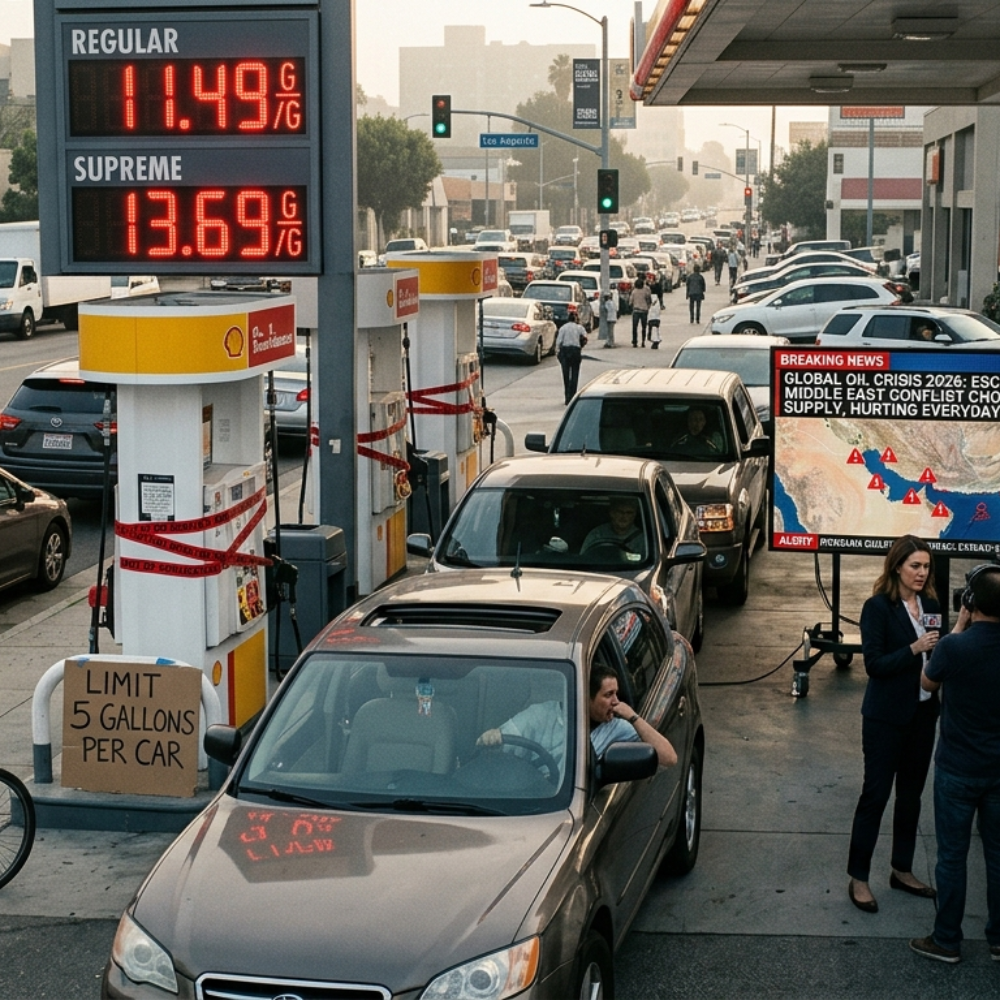
Increases in oil prices are one of the key contributors to inflation in the economy. The oil crisis of 2026 has thus had a major impact on the global economy. This is because when oil prices go up, the cost of production and services increases. This leads to a surge in prices, thus reducing the purchasing power of the consumer. The government of various countries may opt to increase the interest rate to control the rate of inflation. This may, however, affect the economy as economic growth may slow down. This will thus affect employment opportunities in the country. To an individual, this will mean living in an economically challenging environment where one’s savings are losing value. The oil crisis thus leads to economic uncertainty, as evidenced by fluctuations in the value of currency and stocks. The oil crisis thus leads to an economically sensitive state of affairs, where one has to walk on eggshells to stay afloat.
Shift Toward Renewable Energy and Long-Term Changes
The shift towards renewable energy sources is being accelerated due to the oil crisis and carries much significance over the longer term.
Governments and organizations are increasingly investing in alternative sources of energy, such as solar, wind, and hydro power, to reduce their reliance on oil. This transition is driven not only by the desire to protect the environment, but also by the need for energy security and price stability. There are many countries that are heavily reliant on foreign oil; as a result, they are motivated to look for sustainable and renewable options. Therefore, the longer-term impact of this transition will likely lead to a much more resilient and diverse energy system.
Businesses are also adapting to these changes by implementing energy-efficient technologies and exploring greener operations. Consumers may benefit from this change through new technologies, such as electric vehicles and solar-powered homes. While the transition to renewable energy sources is a time-consuming, costly process, the oil crisis may serve as a catalyst for major change, making the need for sustainable energy resources more obvious and altering the global energy landscape for future generations.
Conclusion
The global oil crisis that occurred in 2026 is a clear example of how much our world is connected. A problem that begins in one part of the world can spread quickly, affecting all aspects of life in other countries. The situation is difficult, but it is also a chance to change our energy consumption patterns and start moving toward more eco-friendly alternatives. The decisions that we make today will determine the course that we take toward a more stable future.