
Discovery of New Earthworm Species in Kerala Highlights the Rich Biodiversity of the Western Ghats
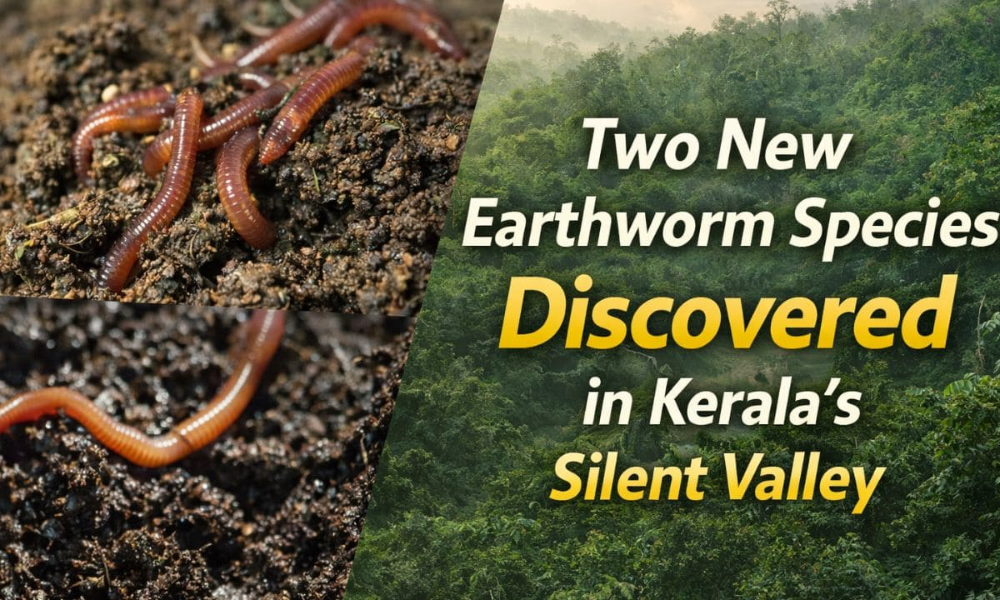
India is known for its incredible biodiversity and diverse ecosystems. From the Himalayan mountains to tropical forests, the country is home to thousands of plant and animal species. Recently, researchers made an important scientific discovery in Silent Valley National Park, located in Kerala. Scientists discovered two new species of earthworms in this protected forest region, which lies within the Western Ghats.
This discovery highlights the ecological richness of the Western Ghats and emphasizes the importance of conserving natural habitats. The finding not only contributes to scientific knowledge but also shows how much of Earth’s biodiversity is still unexplored.
About Silent Valley National Park
Silent Valley National Park is one of the most well-preserved tropical rainforests in Kerala. It is known for its dense forests, rare wildlife, and rich plant diversity.
Key features of Silent Valley National Park include the following:
-
It is located in the Nilgiri Hills region of the Western Ghats.
-
The park covers a large area of tropical evergreen forest.
-
It is home to many rare species of plants, birds, insects, and mammals.
-
The Kunti River flows through the park, supporting diverse ecosystems.
Because of its ecological importance, Silent Valley is considered one of the most important conservation areas in India.
The Discovery of New Earthworm Species
During a scientific survey in the forest soil of Silent Valley National Park, researchers discovered two previously unknown species of earthworms. These species were identified through detailed scientific examination and classification.
Earthworms may appear simple, but they play a crucial role in maintaining soil health and ecological balance. The discovery adds to the growing list of species found in the Western Ghats, which is recognized globally as a biodiversity hotspot.
Scientists believe that many more undiscovered organisms may still exist in these forests.
Importance of Earthworms in the Ecosystem
Earthworms are often called “nature’s farmers” because they improve soil fertility and support plant growth.
1. Improving Soil Structure
Earthworms burrow through the soil, creating tunnels that allow air and water to penetrate deeper layers. This improves soil structure and promotes healthy plant roots.
2. Increasing Soil Fertility
Earthworms break down organic matter such as dead leaves and plant material. Their waste, known as vermicompost, enriches the soil with nutrients.
3. Supporting Plant Growth
By improving soil quality and nutrient availability, earthworms help plants grow more efficiently.
4. Maintaining Ecosystem Balance
Earthworms are part of the food chain and provide food for birds, reptiles, and small mammals.
Because of these functions, the discovery of new earthworm species helps scientists better understand ecosystem processes.
The Ecological Importance of the Western Ghats
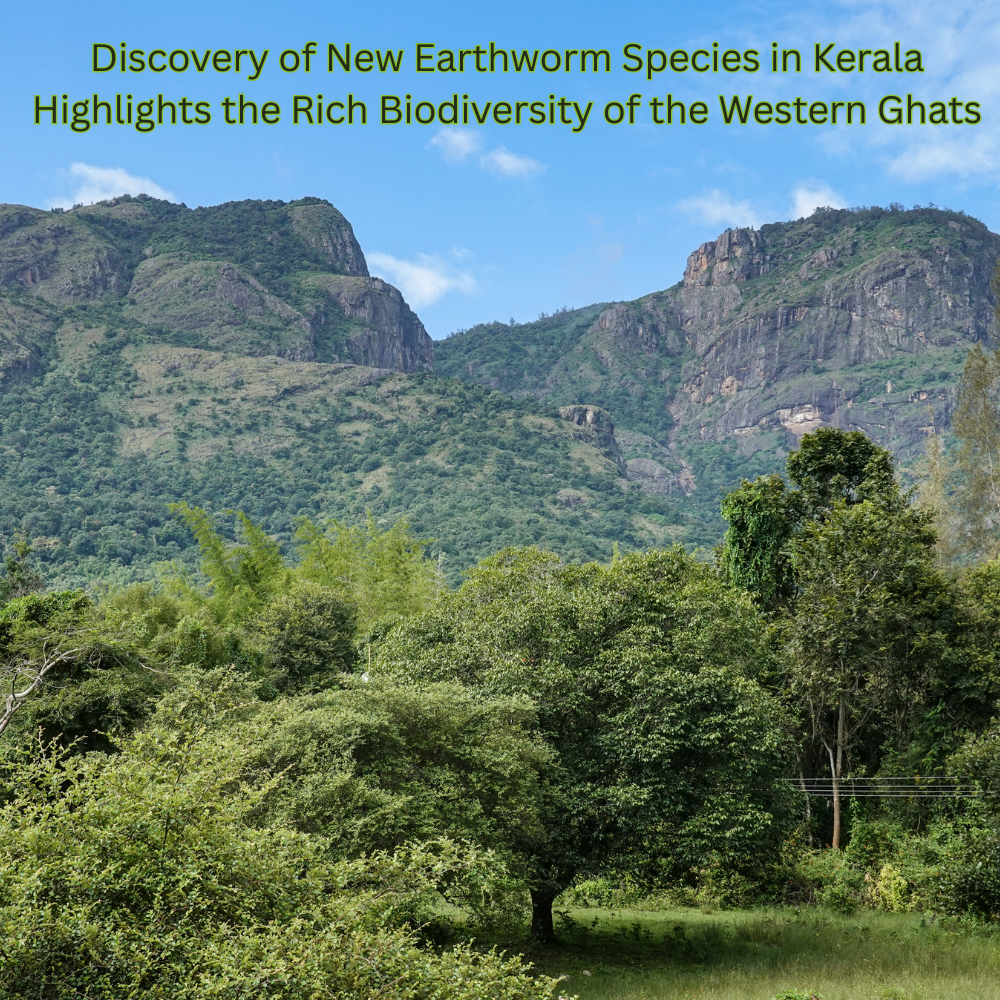
The Western Ghats is one of the most important ecological regions in the world.
Some key facts about this region include:
-
It stretches across several Indian states, including Kerala, Karnataka, and Tamil Nadu.
-
It is recognized as a UNESCO World Heritage Site.
-
The region contains thousands of species of plants and animals.
-
Many of these species are endemic, meaning they are found nowhere else on Earth.
The discovery of new species in this region confirms that the Western Ghats still hold many ecological secrets.
Role of Scientific Research in Biodiversity Conservation
Scientific research plays an essential role in identifying and protecting species.
Key benefits of biodiversity research include:
-
Identifying unknown species: Many organisms remain undiscovered in forests and oceans.
-
Understanding ecosystems: Research helps scientists understand how species interact with their environment.
-
Improving conservation strategies: Data collected by researchers helps governments create better environmental policies.
-
Promoting environmental awareness: Scientific discoveries encourage people to value and protect nature.
The discovery of new species reminds us that scientific exploration is still necessary to fully understand Earth’s ecosystems.
Threats to Biodiversity
Despite its rich biodiversity, the Western Ghats faces several environmental threats.
1. Deforestation
Forest clearing for agriculture and development destroys natural habitats.
2. Climate Change
Changing temperatures and rainfall patterns can affect species survival.
3. Pollution
Industrial pollution and waste can harm ecosystems.
4. Habitat Fragmentation
Infrastructure projects such as roads and dams can divide habitats and disrupt wildlife movement.
Protecting biodiversity hotspots like Silent Valley is therefore extremely important.
Importance of Conservation Efforts
Conservation programs are necessary to protect fragile ecosystems and rare species.
Important conservation measures include:
-
Establishing protected areas such as national parks and wildlife reserves
-
Promoting sustainable tourism
-
Encouraging scientific research and monitoring
-
Educating communities about environmental protection
-
Implementing strong environmental laws
Efforts like these help ensure that natural habitats and their species are preserved for future generations.
Conclusion
The discovery of two new earthworm species in Silent Valley National Park in Kerala highlights the extraordinary biodiversity of the Western Ghats. Even today, scientists continue to uncover new species that contribute to our understanding of nature and ecosystems.
This discovery also emphasizes the importance of protecting biodiversity hotspots and supporting scientific research. Earthworms may seem small and insignificant, but they play a vital role in maintaining soil health and ecological balance.