
India’s First Cooperative Ride-Hailing Platform ‘Bharat Taxi’ Launched by Amit Shah
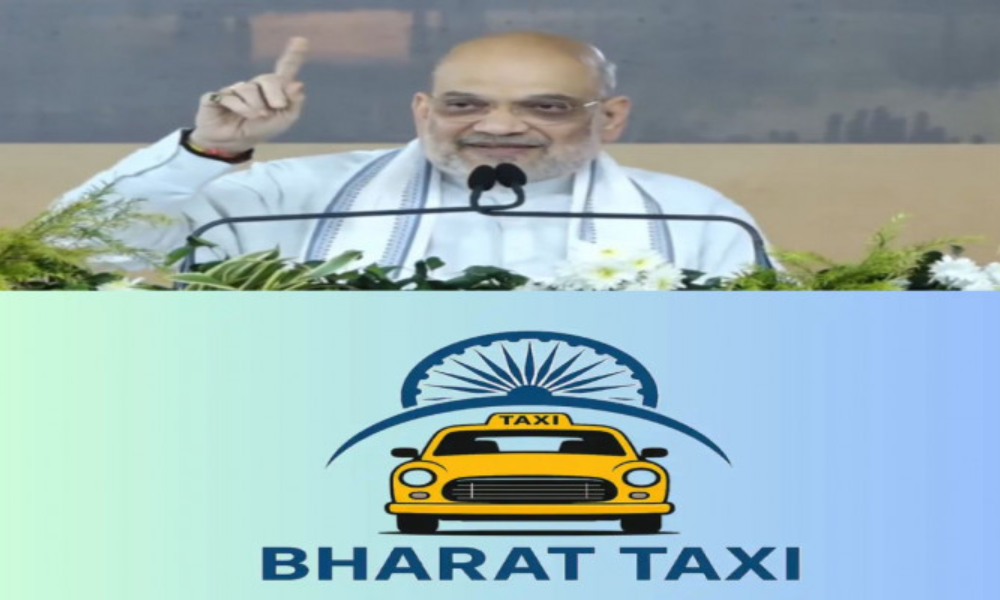
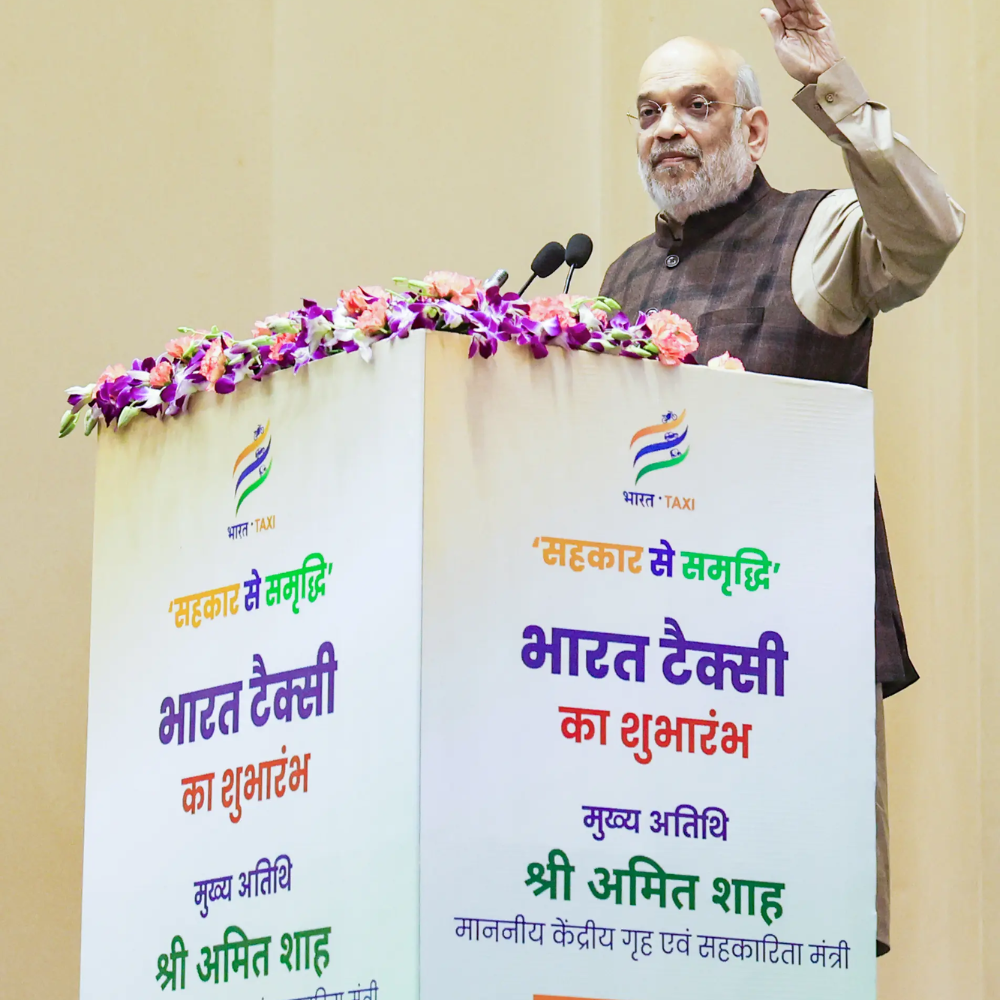
In a landmark development for India’s mobility and transportation sector, Union Home Minister Amit Shah launched Bharat Taxi, the country’s first cooperative-led ride-hailing platform, aiming to revolutionize the way taxi services operate in India. The launch marks a major step in empowering drivers, promoting cooperative ownership, and providing passengers with a safe and reliable ride-hailing option.
The event, held in New Delhi, was attended by top officials from the transport sector, technology partners, and representatives from various driver cooperatives across the country. Amit Shah emphasized that Bharat Taxi is not just a technology platform but a socio-economic initiative to put drivers at the center of the business model, allowing them to share profits and participate in decision-making.
What is Bharat Taxi?
Bharat Taxi is India’s first ride-hailing platform built entirely on a cooperative model. Unlike conventional ride-hailing apps that are controlled by private corporations, this platform is owned and operated collectively by drivers themselves, giving them a stake in the platform’s success.
Key features of Bharat Taxi include:
- Driver Ownership: Each driver registered under the platform is a cooperative member and can share in the profits.
- Affordable Commission: Unlike traditional apps that charge high commissions, Bharat Taxi implements a minimal service fee, ensuring more income stays with drivers.
- Transparency: Pricing, payments, and commissions are fully transparent, allowing drivers to track earnings in real time.
- Passenger Safety: The platform incorporates advanced safety features such as SOS buttons, real-time tracking, and verified driver profiles.
- Accessible App: Bharat Taxi is available in multiple Indian languages to ensure accessibility for drivers and passengers from all regions.
This model aims to solve long-standing concerns about driver exploitation in the gig economy, while also giving passengers a trustworthy and regulated ride-hailing option.
How Bharat Taxi Empowers Drivers
A major highlight of Bharat Taxi is its focus on driver welfare. In India, many drivers using traditional ride-hailing apps have raised complaints about high commissions, unfair incentives, and opaque payment structures. By creating a cooperative, Bharat Taxi ensures that drivers:
- Have a Voice: As cooperative members, drivers can participate in decision-making processes regarding pricing, app features, and operational policies.
- Earn More: Reduced commission rates and profit-sharing mechanisms significantly improve driver earnings.
- Receive Support: The platform includes insurance and support services for drivers, making it more than just a ride-hailing service.
- Build Ownership: Drivers essentially become stakeholders, giving them a sense of pride and control over the platform they work on.
This initiative could potentially redefine ride-hailing in India by creating a model where drivers are not just service providers but active partners in the business.
Government Support and Vision
Union Minister Amit Shah highlighted that Bharat Taxi aligns with the government’s broader vision of “Sahakar se Samriddhi” (Prosperity through Cooperation). The cooperative movement has deep roots in India, from agriculture to banking, and now the transportation sector is joining this legacy.
During the launch, Amit Shah said:
“Bharat Taxi is a step towards empowering drivers, promoting cooperative ownership, and ensuring that technology benefits all sections of society, not just corporations.”
The government has assured that it will provide necessary support for scaling the platform across India. There are plans to integrate regional transport unions, local driver cooperatives, and state governments to create a robust network of cooperative ride-hailing services.
Technology Behind Bharat Taxi
While the cooperative model is the core differentiator, Bharat Taxi also incorporates modern technology to compete with existing private ride-hailing apps.
- Real-Time Ride Matching: The app uses advanced algorithms to match passengers with nearby drivers efficiently, reducing wait times.
- Digital Payments: Bharat Taxi supports multiple digital payment options including UPI, mobile wallets, and cards.
- Safety and Tracking: GPS tracking, driver verification, and in-app emergency alerts ensure passenger and driver safety.
- User-Friendly Interface: Designed to be intuitive for both passengers and drivers, the app supports multiple languages and low-end smartphones.
By combining technology with the cooperative structure, Bharat Taxi aims to create a model that is both socially responsible and commercially viable.
Market Potential
India’s ride-hailing market is one of the largest in the world, with millions of daily rides and rapid urbanization fueling growth. Traditional apps have dominated this space for over a decade, but issues like high commissions, surge pricing, and lack of driver ownership have persisted.
Bharat Taxi enters the market at a crucial moment when both drivers and passengers are seeking alternatives that are fair, transparent, and community-driven. Experts believe that if executed well, the cooperative model could attract not only drivers but also socially conscious passengers who want to support driver-owned platforms.
Future Plans
The founders of Bharat Taxi have outlined ambitious plans for the platform:
- Pan-India Expansion: The platform aims to expand across major metropolitan and tier-2 cities within the next year.
- Integration with Public Transport: Plans include linking Bharat Taxi with public transportation to provide first- and last-mile connectivity.
- Electric Vehicle Support: The cooperative is considering incentives for drivers to switch to EVs, aligning with India’s green mobility goals.
- Training Programs: Drivers will receive training in customer service, safe driving, and digital literacy to enhance the overall user experience.
These initiatives aim to create a sustainable ecosystem that benefits both drivers and passengers while supporting India’s broader mobility goals.
Conclusion
The launch of Bharat Taxi by Amit Shah marks a significant milestone in India’s ride-hailing industry. By putting drivers at the center of the platform through cooperative ownership, Bharat Taxi not only empowers the workforce but also sets a new standard for transparency, fairness, and sustainability in urban mobility.
With robust technology, government support, and a vision for equitable growth, Bharat Taxi is poised to reshape the ride-hailing landscape in India. As the platform expands to cities across the country, it has the potential to become a model for socially responsible business while providing passengers with safe, reliable, and community-driven ride-hailing services.
This launch demonstrates how technology and cooperation can come together to create inclusive growth and a fairer ecosystem for all stakeholders in the transportation sector.