Why This NRI Couple in Norway Doesn’t Mind Paying Almost Half Their Income in Taxes
If somebody told you that a couple working overseas cheerfully pays about half of their wage in taxes… you might raise an eyebrow, right? Most of us in India are protesting when assessed findings are less than 10 % of our salary.
But for Sutirtha and Jayita, an NRI couple living in Norway, the story is exceptionally diverse — and shockingly positive. In spite of paying around 42 % or more in charges and social security commitments, they say they don’t loathe it. In reality, they esteem what they get in return.
Let’s talk about why this is — not from a dry numbers viewpoint, but in a plain dialect that you can relate to.
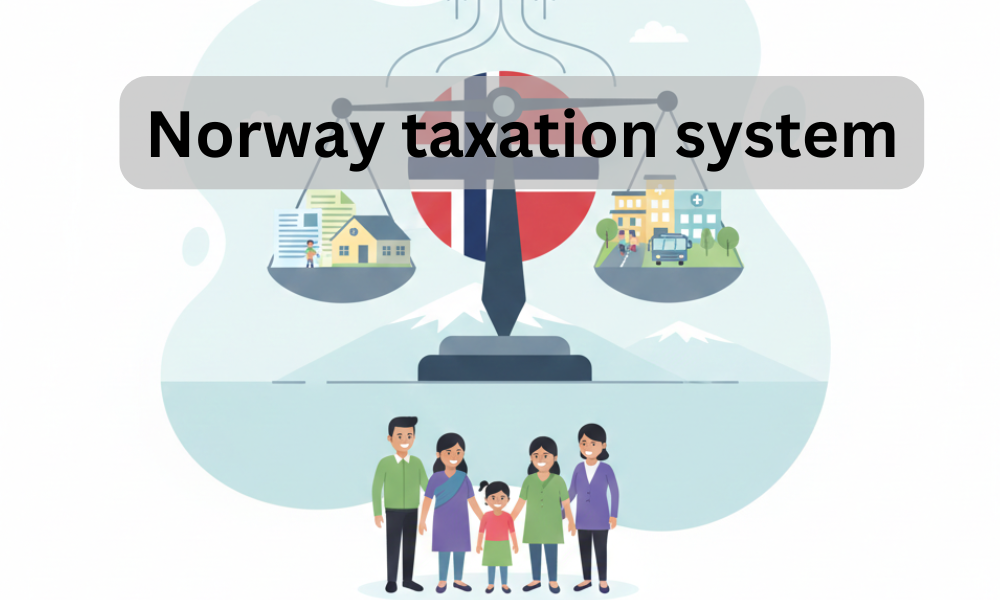
Life in Norway: Tall Assess, Tall Security
When you think of Norway, envision a place where compensation is great, work-life adjustment is regarded, and day by day life is comfortable — but exceptionally costly. Things like goods, transport, eating out, administrations — all took a toll much more than in India.
A taxi ride of 10 km can take a toll near to ₹5,500. A dinner for a family of three at an eatery might set you back ₹14,000. Indeed schedule administrations like plumbing or car support are expensive.
On best of that comes a tall salary assessment — extending from generally 22 % to over 40 % depending on your profit.
If you take home as it were almost 50 % of what you gain, you might think life in Norway must be tight. But the huge turn is this:
👉 They don’t feel focused approximately sparing for the huge future things they would something else have to stress approximately.
What Do Those Charges Really Buy?
To truly understand why this assessment “pain” is endurable — and indeed invited — it makes a difference to think of what you don’t have to pay for personally.
🎯 1. Healthcare for Everyone
In Norway, healthcare is basically free. Inhabitants don’t require private protections, and the out-of-pocket cost for outpatient care and solutions is capped moo — generally ₹23,000 a year for everything. After hitting that cap, the government covers the rest.
You can get world-class treatment for major ailments like cancer without a stunning clinic charge. Indeed minor strategies frequently fetch nearly nothing once you’ve hit the wellbeing cap.
For numerous Indians — where therapeutic crises can deplete reserve funds — this is a gigantic passionate relief.
🎒 2. Instruction That Doesn’t Break the Bank
Here’s a reality that might astonish you: open instruction in Norway is totally free, right up to college. For college, the government indeed offers low-interest credits, and if the understudy graduates, an enormous chunk of the advance is excused.
So not at all like in India, where guardians feel influenced to spare for school and college expenses from early on, this couple doesn’t have that stretch hanging over them.
👶 3. Child Back and Family Benefits
The Norwegian framework moreover incorporates customary child stipends — month to month cash given to families until the child turns 18.
Combine that with liberal parental take off (up to 12 months) and paid get-aways, and abruptly time with family begins to feel like a normal portion of life — not a far off dream.
💼 4. Social Security Nets
If you lose your work in Norway, you don’t drop off a cliff monetarily. There are unemployment protections based on your compensation (inside characterized limits). You moreover get back for inability, retirement annuities, and old-age care.
In plain language:
You won’t conclude up destitute or bankrupt fair since life tosses you a curveball.
Retirement stresses are altogether less since an annuity is a portion of the social system.
That kind of peace of intellect? Cash can’t continuously purchase it — but charges help.

So Why Don’t They Intellect Giving So Much to the Government?
Let’s get to the heart of the address: Why would somebody eagerly hand over nearly half their compensation to the state?
Here’s how this family — and numerous others in Nordic nations — think almost it:
💡 1. They Don’t Have to Spare for Everything
In India:
- You spare for healthcare.
- You spare for your child’s education.
- You spare for emergencies.
- You spare for retirement.
In Norway:
Many of those are secured by the government.
So you can spend more living nowadays, not fair sparing for tomorrow.
This isn’t cruel, they don’t spare — they still contribute around 30 % of their wage — but it feels deliberate, not constrained by frailty.
💡 2. It’s Almost Quality of Life — Particularly Time
For them, time with family tallies more than chasing cash. Tall charges cruel working less hours doesn’t feel like a budgetary calamity.
They enjoy:
- Predictable work hours
- Paid vacations
- Minimal extra time culture
- Work-life balance
These are extravagances numerous Indians dream of but rarely experience.
💡 3. Speculation and Budgetary Smartness
They don’t depend on government support. They contribute shrewdly — both in worldwide markets and in India. Around 17 % of their portfolio is in Indian value stores, reflecting certainty in long-term development back home.
This appears they’re not inactive savers — they effectively arrange their funds whereas getting a charge out of the security net.
But Is It Perfect?
No — nothing is.
The fetch of living is exceptionally tall. Indeed nearby Norwegians complain about nourishment, administrations, and taxis being expensive.
Waiting times for non-urgent therapeutic methods exist.
Learning the nearby dialect and joining takes exertion — particularly for non-Europeans.
So whereas they don’t have the intellect to pay tall charges, they’re not unlikely around challenges.
What This Story Implies for Us in India
When we peruse around an NRI couple cheerfully paying tremendous charges, it can be enticing to reject it as “different world, diverse rules.” But I think two lessons stand out:
⭐ 1. Charge isn’t fair cash — it’s a framework of services
If you get unmistakable benefits — great healthcare, free instruction, work assurance — charges begin to feel like protections against life’s instabilities, not fair a burden.
⭐ 2. Joy isn’t continuously almost take-home pay
Sometimes you don’t have to stress about things more than what you get paid. Quality family time, security, and peace of intellect can exceed additional rupees in your pocket.
Conclusion
In Conclusion: A Distinctive Trade-Off
This NRI couple reminds us of something basic however profound:
Charges are a trade-off — and if that exchange gives you time, security, and flexibility, it barely feels like a burden.
They didn’t move to Norway for cash. They moved for time and quality of life. The tall charges are a fair portion of the bundle — one they’re willing to pay since of what it gives back.
So the following time somebody protests around derivations, perhaps it’s worth asking:
“What am I getting in return?” 💭
That’s a discussion worth having — no matter where you live.