Why Indian Households Are Rich in Property and Poor in Security
Have you ever taken note how nearly each Indian family you know appears to possess a house or a few arrive, but when it comes to retirement reserve funds or monetary security, they seem… a bit stranded? It’s nearly like Indians are extraordinary at buying property but not-so-great at arranging long-term monetary security. If you have relatives with numerous homes, but small in retirement reserves or fluid investment funds — you’re not envisioning it. This is a genuine design in India’s budgetary story.
Let’s unload why this happens, how it influences customary families, and what we can learn from it.
🏠 The Property Fixation: More Than Fair a Roof
Ask anybody why they need a house, level, or plot in India, and you’ll listen things like:
“It’s a resource — not a liability.”
“Rent is fair cash down the drain.”
“We need something for the children.”
These reasons feel socially established and candidly solid. Owning property is nearly a ceremony of entry in India — a blend of security, pride and investment.
L
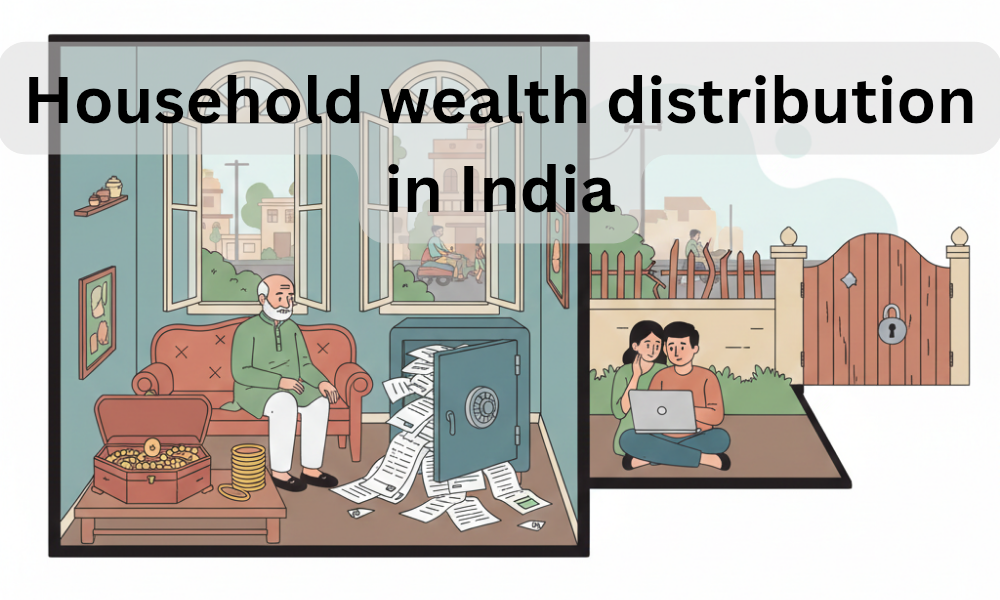
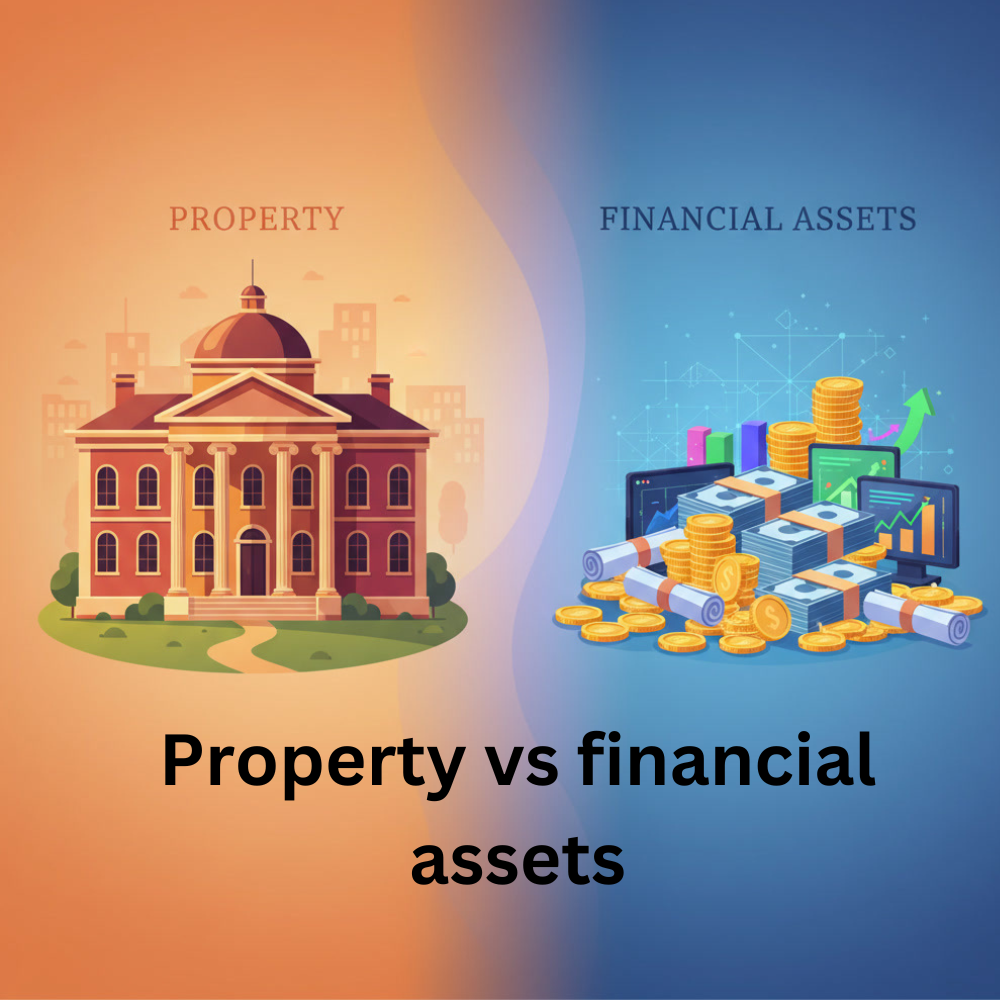
But here’s the truth: Indian family units hold a curiously expansive chunk of their riches in the genuine domain — much more than in budgetary resources like stocks, bonds, or retirement accounts.
📊 What That Truly Means
Unlike numerous progressed economies where family units spread riches over differing monetary devices — values, benefits, bonds, reserve funds — Indian families tend to:
- Put a huge chunk of cash into houses
- Leave small for annuity or retirement funds
- Keep as it were a little parcel in money related savings
This takes off a part of individuals in fact “rich” on paper — since they possess property — but destitute in budgetary security, particularly if salary abruptly stops or retirement arrives.
🤝 Why Don’t Indians Contribute More in Monetary Security?
- Contracts Come with Hassles
In numerous nations, individuals take a domestic credit (contract), pay reasonable month to month portions, and contribute additional investment funds somewhere else. In India, it’s not that neat.
Issues include:
- Lengthy documentation
- Confusing procedures
- Unclear property titles
- High handling grinding some time recently credit approval
These make borrowers dodge formal domestic advances. Instep, families pay for homes utilizing individual reserve funds, casual borrowing and offer assistance from relatives — tying up gigantic chunks of cash in the property itself.
> Down to earth case: Numerous families offer ventures or utilize collected reserve funds to purchase arrive or pads instead of taking an organized mortgage.
This implies less cash gets apportioned to common stores, protections, retirement accounts, or crisis reserves — all of which construct long-term monetary security.
- Retirement Arranging Isn’t Portion of the Culture Yet
Many Indians still assume:
“Property and children will take care of me in ancient times.”
But times are changing.
- Joint families are getting to be nuclear.
- People move for jobs.
- Longevity is increasing.
Yet formal retirement investment funds — like annuity plans or retirement accounts — stay negligible or underused. Cooperation is moot and equalizations are regularly as well small to keep up a comfortable life after work.
And not at all like property, retirement savings:
- Don’t feel tangible
- Don’t have enthusiastic pride attached
- Require arranging computer program and teach to grow
This makes individuals reluctant or uninformed of their importance.
📉 The Covered up Fetched of Property-Heavy Wealth
🔓 Illiquid and Difficult to Monetise
Property isn’t fluid cash. You can’t change over it to cash rapidly without:
- Selling at a discount
- Taking a credit against it
- Renting it out (after costs and taxes)
This implies that in genuine retirement or crisis minutes, a house doesn’t pay your bills unless you offer it — which numerous don’t need to do.
📊 Swarming Out Way better Investments
Because families spend so much on property, they:
Save less in budgetary assets
Miss out on compound showcase growth
Have lower support in annuities or long-term monetary products
These are the apparatuses that really construct money related security, not fair riches appearance.
💡 More Indians Are Beginning to Differentiate — Slowly
There’s a little but unmistakable move. Later patterns appear that:
More family units are utilizing common stores and equities
Retail interest in capital markets is growing
Some families are beginning retirement Tastes or NPS
But it’s not however broad, and the share of add up to speculation compared to property remains much smaller.
Still, it appears mindfulness is rising, indeed if slowly.
🔁 Commonsense Things Each Family Ought to Know
✔️ 1. Treat Property as a Portion of Riches, Not the Whole
Owning a domestic is superb — but it shouldn’t be:
Your whole retirement plan
The as it were resource you value
✔️ 2. Begin Retirement Arranging Early
Even little month to month ventures in benefits accounts, EPF/NPS, or common stores can construct a noteworthy corpus over years.
✔️ 3. Keep an Crisis Finance Separate
This shouldn’t be stuck in property or settled stores. It ought to be fluid (bank or short-term FD) so you can utilize it any time.
✔️ 4. Broaden — Don’t Concentrate
Balance between:
- Property
- Financial investments
- Retirement savings
- Insurance
That gives genuine security, not fair property value.
Conclusion
🧠 Last Contemplations — A Adjusting Act
Indian families are without a doubt “rich” in physical resources — and that’s something to be glad of.
But riches on paper implies small if it can’t pay bills, bolster retirement, or handle life’s unforeseen turns.
To really feel secure — not fair secure in property — Indians need:
- Better get to to basic money related products
- Easier contract systems
- Practical retirement arranging habits
Because genuine security comes not from how numerous properties you claim, but from how well your accounts bolster you in each organisation of life — particularly when wage stops.