Why India Is Facing Early Heatwaves in 2026 — And What It Means for Our Future
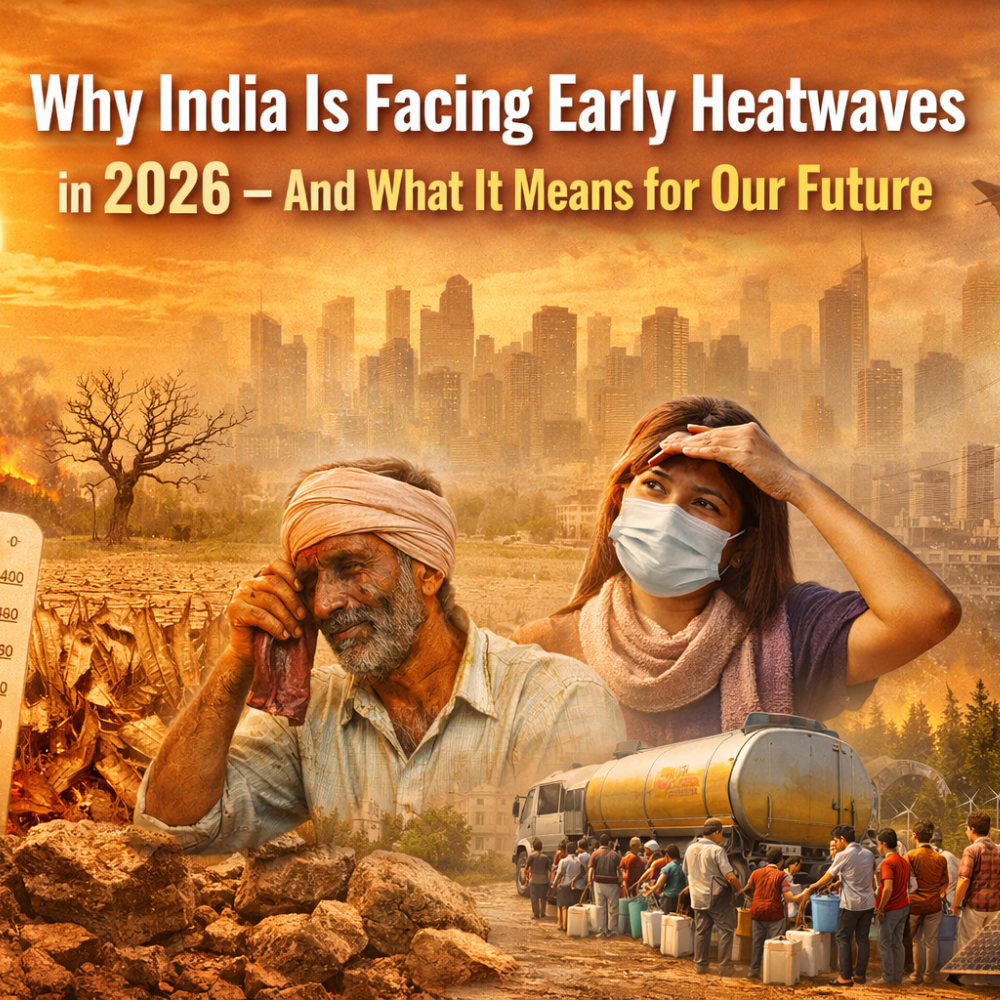
India is witnessing extremely early and severe heatwaves in the year 2026, which is raising serious concerns across the country. The rising temperatures are occurring much before the due season, which is shortening the winters and changing the natural weather patterns. While this is causing discomfort to the public at large, this change also points towards the larger environmental shifts that are occurring due to climate change. While this change is evident across the country, from the cities to the rural areas, the effects are already being seen in the day-to-day lives of the public at large.
The Science Behind the Early Heatwaves in India
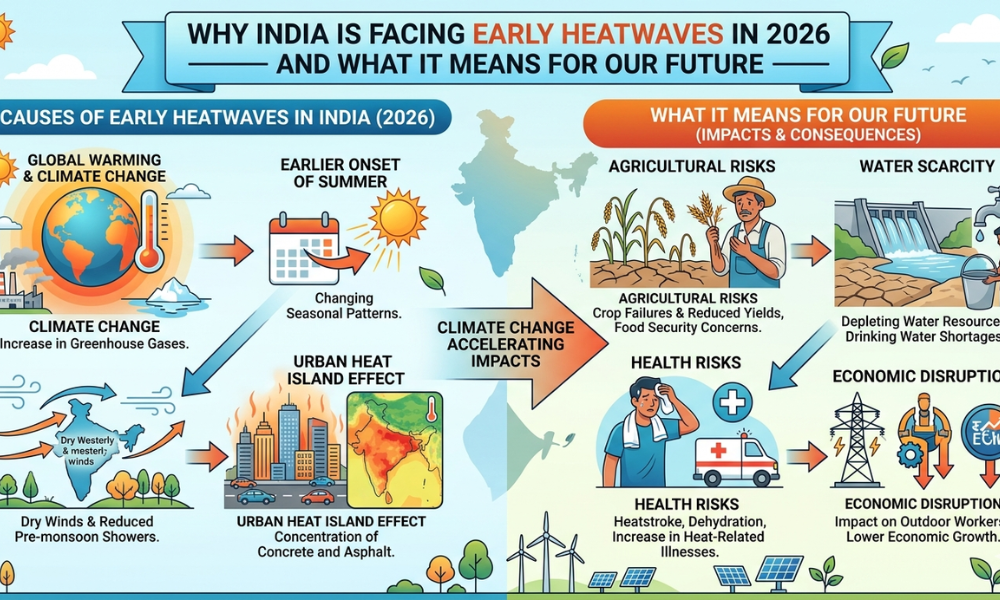
The early heatwaves in India during 2026 are caused by various climate changes and increased global temperatures. One of the contributing factors to the early heatwaves in India during 2026 is climate change, which has increased global temperatures. Climate change has also increased the incidence of extreme temperature fluctuations in the environment, contributing to the early heatwaves in India during 2026. Another contributing factor to the early heatwaves in India during 2026 is the natural climate changes that occur in the environment, such as the El Niño and the La Niña phenomena, which are losing their cooling and heating properties, respectively, resulting in the early heatwaves in India during 2026. Urbanization also plays an important role in the early heatwaves in India during 2026 through the urban heat island effect, whereby the increased rate of urbanization has increased the temperature in the environment, contributing to the early heatwaves in India during 2026. Deforestation and the decrease in water bodies also contribute to the early heatwaves in India during 2026.
Impact on Daily Life, Health, and Agriculture
The impact of early heatwaves is greatly altering the course of daily life, public health, and agriculture throughout India. Increased heat and vulnerability increase the incidence of heat-related illnesses (i.e., dehydration, heat exhaustion and heat stroke) in vulnerable populations, including children and older adults. Water shortages are becoming commonplace in the cities as demand for water has increased dramatically. In addition, electricity use (i.e., air conditioning and cooling units) is surging, placing tremendous stress on electricity infrastructure. The greatest impact from early heatwaves is to the agricultural sector. The crops affected by the early rise in temperatures are very sensitive to heat: Therefore, the higher temperatures cause a loss of yield and/or reduced quality for crops such as wheat and vegetables. Higher food prices are already seen by consumers as a direct result of reduced income to farmers. Overall heatwaves are creating major disruptions to routines and have created major stress on both rural and urban populations.
Economic and Environmental Consequences
The increasing frequency and severity of heat waves can have serious economic and environmental impacts on India. Hotter temperatures lead to increased energy demand, resulting in higher electricity costs and contributing to the strain on energy infrastructure. Many industries that rely heavily on outdoor labour (such as agriculture and construction) see lower productivity as their employees find it increasingly difficult to perform their jobs due to the extreme heat, which may result in reduced economic activity and slower growth rates. Water sources, such as rivers, lakes and groundwaters become increasingly dried up as temperatures remain high, leading to greater competition for already scarce resources. As forests are becoming increasingly more susceptible to wildfires, they not only lose their ability to absorb carbon dioxide from the atmosphere, but also die, resulting in the loss of ecosystems and habitat for many species of animal. Similarly, dairy and meat production is being impacted due to stress placed on livestock due to increased temperatures. As the various sectors of the economy become increasingly interdependent, the impact of these events will compound and result in higher costs of living for residents and longer-term stress on natural resources and the stability of the overall economy.
What the Future Looks Like and How We Can Adapt
If temperatures keep rising, heat waves will become the new normal in India. To prepare for what lies ahead, it is crucial that we adapt as well as prepare. Governments are already taking some steps by providing notice of impending heat waves, strengthening their systems for giving advance notice of impending heat waves and encouraging people to use water responsibly. The focus of urban planning has also begun to evolve toward creating more green spaces, incorporating heat resistant materials and improving ventilation in buildings. The ways individuals can adapt include drinking sufficient fluids, not engaging in outdoor activities during extreme heat events and using energy efficient cooling methods. In addition to these short-term solutions, long-term solutions include investing in renewable energy sources, protecting forests and reducing GHG emissions to slow de-accelerate climate change. Within this context, public awareness combined with collective action will serve as important tools to limit the impact of climate change on the future; therefore, in addition to taking some of these measures now, there is also a need for India to proactively manage the difficulties caused by climate change and increasing temperatures.
Conclusion
In conclusion, the early heatwaves in India are a clear indicator of the changing patterns in the climate and the extent to which it is affecting our lives. It is affecting us in terms of health, economy, and many more, and it is definitely a worrying situation for all of us. However, it is also true that if we take steps and are aware of the situation, we can reduce the damage caused by the changing climate and work towards a safer future.