
Why Film Unions Have Influence, Not Enforcement Power
The later contention including on-screen character Ranveer Singh and the League of Western India Cine Workers (FWICE) has once more brought film unions into the spotlight. When FWICE issued a non-cooperation mandate against the on-screen character after a debate connected to Wear 3, numerous individuals deciphered it as a boycott. The scene started an imperative address: How much control do film unions really have in India’s amusement industry?
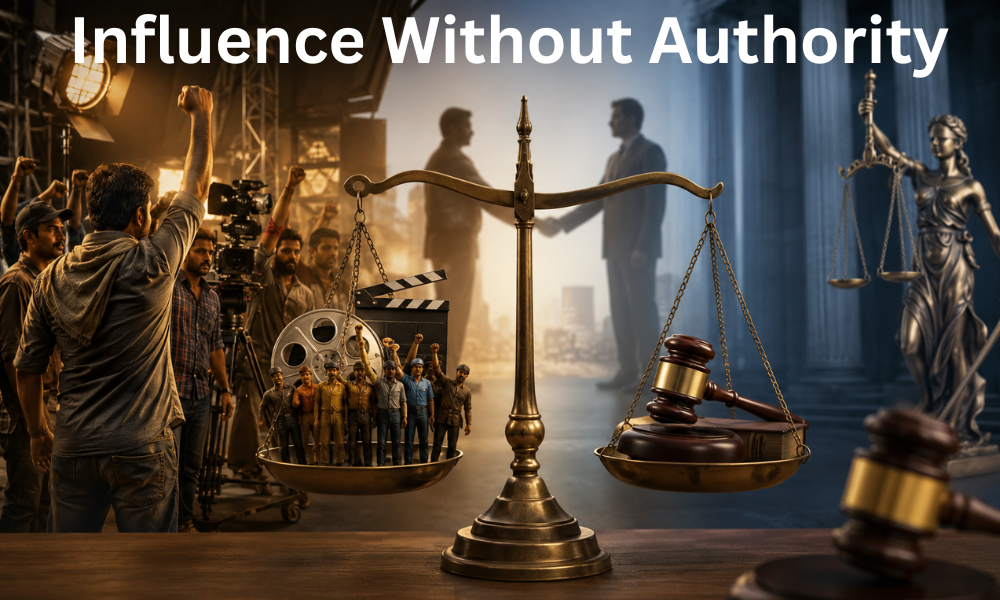
The reply is more nuanced than it may show up. Film unions use noteworthy impact since of their endless systems and collective quality, but their specialist has clear lawful limits. They can shape industry behavior, apply weight, and mobilize specialists, however they cannot legitimately halt an on-screen character, maker, or filmmaker from working. Understanding this qualification is basic to understanding how India’s film biological system functions.
Film unions have been an indispensable portion of the excitement industry for decades. Organizations such as FWICE speak to thousands of specialists over different offices, counting camera teams, editors, outfit originators, cosmetics specialists, spot boys, scholars, and chiefs. Their essential reason is to defend workers’ rights, guarantee reasonable compensation, intercede debate, and progress working conditions. Over a long time, these unions have played a significant part in ensuring professionals and daily-wage specialists who frequently need the bartering control delighted in by stars and generation houses.
Because these organizations speak to such an expansive area of the workforce, they actually command regard. When a union issues an order, numerous individuals select to comply out of solidarity or since they esteem the benefits of participation. This collective activity gives unions considerable impact inside the industry. A maker arranging a film depends on hundreds of specialists to keep an extent running easily. If a huge number of those specialists refuse to take an interest, the generation can end up troublesome or indeed outlandish. That commonsense reality is where union control comes from.
However, impact ought to not be confused with legitimate authority.
Despite features that frequently utilize words such as “boycott” or “boycott,” film unions do not have the legitimate control to disallow anybody from working. They are exchange unions, not courts or government bodies. Their mandates work more as requests or enlightening to their individuals or maybe than legitimately enforceable orders. A maker is not lawfully committed to take after them, and an on-screen character cannot be formally banned from the calling through a union take note alone.
The Ranveer Singh case outlines this refinement clearly. FWICE’s activity was portrayed as a non-cooperation order, meaning it asked partnered specialists not to collaborate with the on-screen character until the debate was settled. Whereas such a move may make calculated challenges for any venture including the on-screen character, it did not legitimately prevent him from marking movies or makers from contracting him. In reality, legitimate specialists are famous that any claim for monetary harms emerging from a legally binding contradiction would eventually require to be settled through courts or discretion components or maybe than through union directives.
The roots of this restricted specialist can be followed by competition and work directions. Over time, administrative bodies have taken a cautious view of homes that limit business openings or drive businesses to work solely with particular bunches. As a result, unions cannot compel makers to enlist as it were their individuals, nor can they legitimately rebuff those who select something else. Their adequacy depends generally on deliberate compliance and collective solidarity or maybe than statutory power.
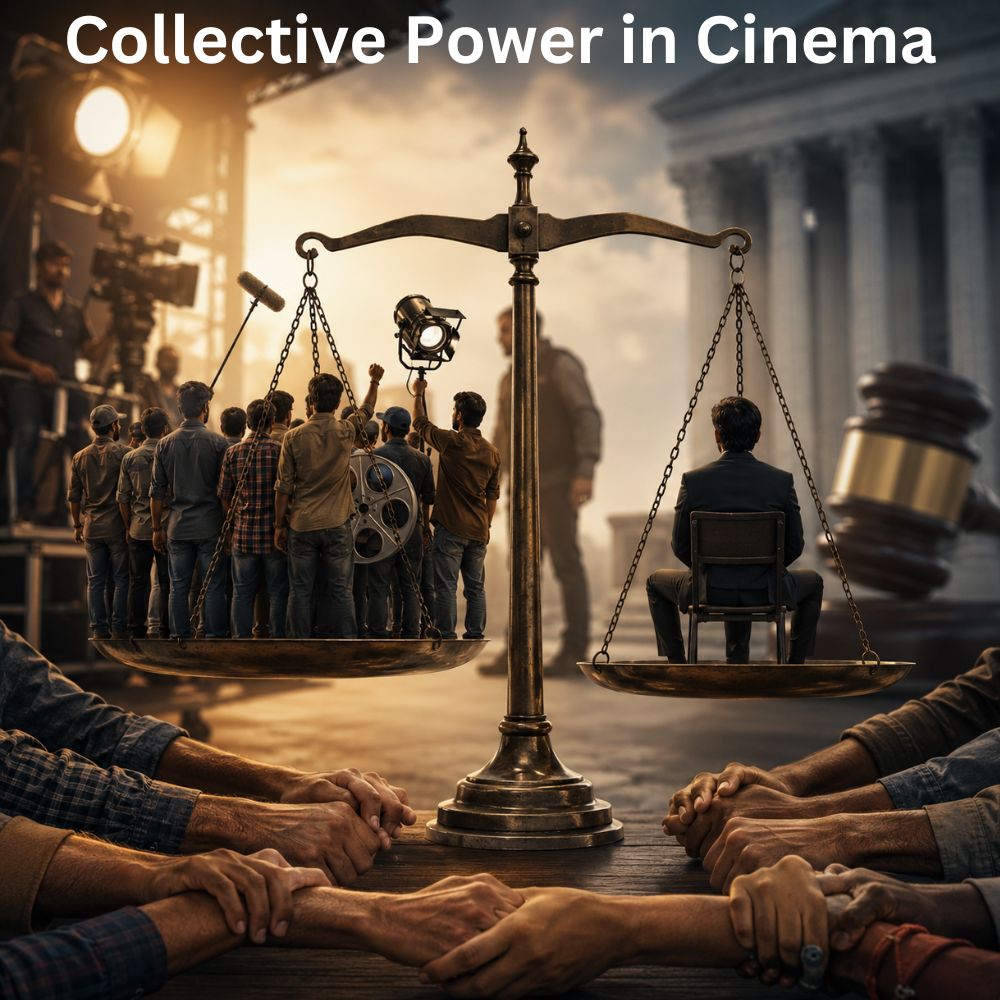
Yet it would be a botch to expel unions as powerless.
In businesses such as filmmaking, where collaboration is fundamental, impact can some of the time be about as compelling as authorization. A film set is a complex operation including hundreds of experts. If a noteworthy parcel of that workforce chooses not to take an interest to an extent, generation plans can be disturbed and costs can rise drastically. Indeed when an order needs legitimate drive, the prospect of operational troubles regularly empowers partners to take union concerns truly. This is why generation houses as often as possible lock in with unions amid debate instead of disregarding them outright.
Film unions too infer impact from their part as go betweens. They regularly step in when differences emerge between laborers and bosses, making a difference when both sides reach arrangements without long lawful fights. In the Ranveer Singh debate, FWICE contended that it got to be included since the makers looked for its help in settling the matter. From the union’s point of view, sudden exits from ventures can influence not as it were makers but too hundreds of group individuals whose employment depends on the smooth execution of productions.
History appears that film unions have issued comparative mandates some time recently. In a few high-profile cases including on-screen characters and entertainers, unions declared boycotts or non-cooperation measures. Be that as it may, these activities were viable as it were when individuals chose to bolster them collectively. Once industry partners pulled back or called for exchange, the orders regularly misplaced energy. This was apparent when FWICE in the long run pulled back its non-cooperation arrangement against Ranveer Singh after discourses including other industry bodies.
Public responses to such discussions moreover uncover how individuals see union control. Numerous spectators recognize that unions play a vital part in ensuring laborers, but they too address whether they ought to mediate in legally binding debate including performing artists and makers. Online dialogs encompassing the Ranveer Singh scene reflected this separately, with a few individuals contending that unions are defended in guarding workers’ interface, whereas others demanded that lawful debate ought to be settled through courts or maybe than industry pressure.
The broader lesson is that film unions involve a special space inside the amusement industry. They are not one or the other feeble affiliations nor all-powerful specialists. Their quality lies in organization, representation, and collective activity. They can impact choices, shape industry discussions, and bring partners to the arranging table. What they cannot do is supplant the lawful framework or uphold official punishments on individuals.
As India’s film industry gets to be progressively proficient and contract-driven, the qualification between impact and authorization will become indeed more vital. Unions will proceed to serve as imperative advocates for specialists, but debate including contracts, harms, and proficient commitments will eventually require lawful arrangements. The Ranveer Singh-FWICE discussion has highlighted this reality: film unions may have industry muscle, but their genuine control comes from influence and solidarity, not legitimate enforcement.
Conclusion
In conclusion, that adjustment may be precisely what the industry needs. Solid unions can secure specialists and empower responsibility, whereas lawful teachers guarantee that debates are settled reasonably and straightforwardly. Together, they offer assistance to keep up the fragile balance that keeps one of the world’s biggest film businesses working.