Uttarardh Mahotsav 2026 Begins at the Historic Modhera Sun Temple
The historic Modhera Sun Temple, one of Gujarat’s most iconic cultural and architectural landmarks, is once again set to become the center of artistic celebration as the two-day “Uttarardh Mahotsav 2026” begins from 17th and 18th January 2026. This grand cultural festival, organized in the sacred premises of the Modhera Sun Temple, celebrates India’s rich classical dance heritage against the backdrop of a monument that reflects the glory of ancient Indian craftsmanship and spirituality.
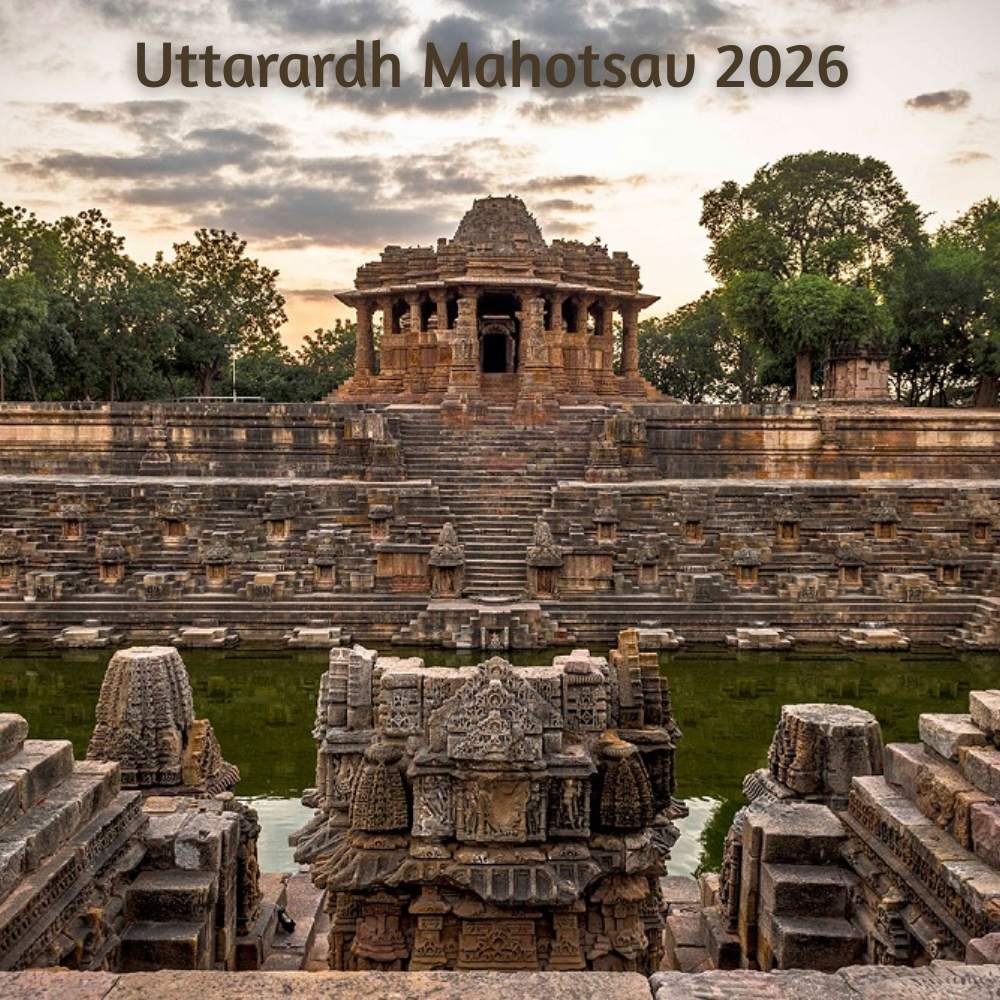
Declared a UNESCO World Heritage Site candidate, the Modhera Sun Temple is renowned for its intricate carvings, astronomical alignment, and timeless connection to the Sun God. Hosting a cultural festival at such a historically significant site adds depth and meaning to the performances, transforming the event into a unique blend of history, devotion, and artistic excellence.
A Celebration Rooted in History and Culture
The Modhera Sun Temple, built during the reign of the Solanki dynasty in the 11th century, stands as a symbol of India’s advanced architectural and cultural knowledge. The temple has long been associated with ritualistic dance, music, and seasonal celebrations. The Uttarardh Mahotsav continues this tradition by reviving classical performing arts in the very space where they once flourished centuries ago.
The festival is named “Uttarardh,” meaning the latter phase, symbolizing continuity—connecting ancient traditions with contemporary artistic expression. It reflects the government’s and cultural bodies’ efforts to preserve heritage while keeping it relevant for future generations.
Two Evenings of Classical Dance Excellence
Uttarardh Mahotsav 2026 will witness spellbinding performances by renowned classical dancers from across India. Artists trained in traditional dance forms will present their art with devotion, discipline, and storytelling, creating an unforgettable experience for the audience.
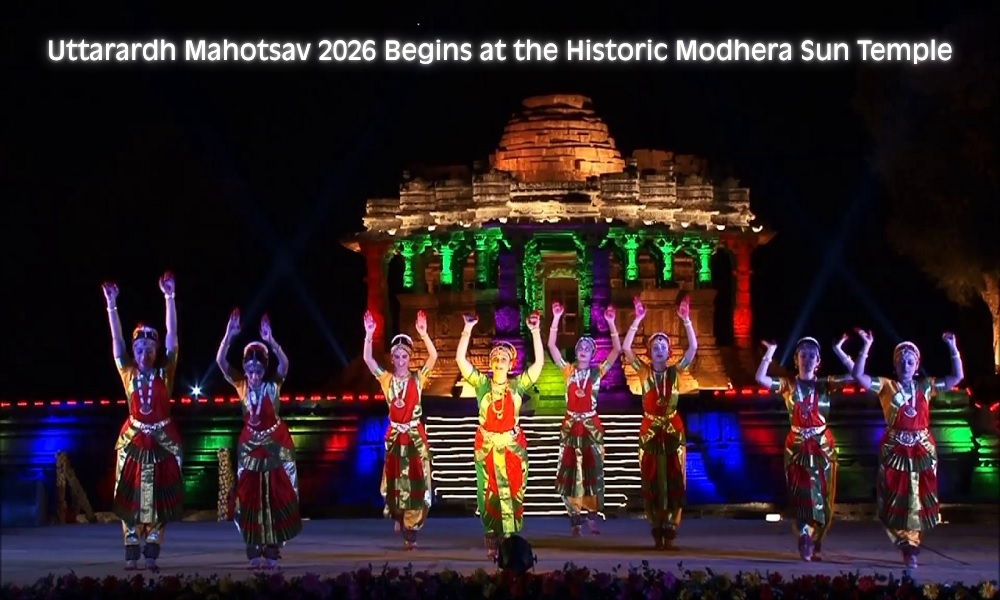
The festival will feature celebrated classical dance styles such as Odissi, Bharatanatyam, Kathak, Manipuri, Kuchipudi, and Kathakali. Each performance narrates stories from Indian mythology, philosophy, and spiritual traditions, expressed through expressive movements, rhythmic footwork, and emotive expressions.
As the sun sets and the temple is illuminated with artistic lighting, the performances come alive in a mesmerizing atmosphere. The interplay of light, stone carvings, music, and movement creates a visual and emotional spectacle that few cultural events can match.
Modhera at Night: A Visual and Spiritual Experience
One of the highlights of Uttarardh Mahotsav is the transformation of the Modhera Sun Temple after dusk. The temple complex is beautifully lit, accentuating its detailed carvings, stepped kund, and majestic sanctum. This nighttime setting enhances the impact of the performances and offers visitors a rare chance to witness the monument in a completely different aura.
The calm surroundings, rhythmic music, and echoing beats of classical instruments create a meditative environment. For many visitors, attending Uttarardh Mahotsav is not just entertainment but a deeply spiritual and cultural experience.
Promoting Indian Classical Arts on a Global Platform
Uttarardh Mahotsav plays an important role in promoting Indian classical dance at both national and international levels. By bringing together accomplished performers and culture enthusiasts, the festival helps preserve traditional art forms while encouraging younger generations to appreciate and learn them.
The presence of artists of national and international repute gives the festival global recognition. Cultural scholars, tourists, photographers, and art lovers attend the event, making it an important attraction on Gujarat’s cultural tourism calendar.
Boost to Cultural Tourism in Gujarat
The festival significantly contributes to heritage and cultural tourism in Gujarat. Modhera, already famous for its Sun Temple and the Modhera Dance Festival, attracts visitors from across India and abroad during Uttarardh Mahotsav. Hotels, local businesses, artisans, and tour operators benefit from the increased footfall.
The event aligns with Gujarat’s vision of promoting tourism through culture, heritage, and sustainable development. By organizing such festivals, the state showcases its commitment to preserving historical sites while making them active cultural spaces.
Preserving Heritage Through Responsible Celebrations
Organizing a cultural festival at a protected monument requires careful planning and respect for heritage conservation. Uttarardh Mahotsav 2026 follows strict guidelines to ensure that performances, lighting, and audience arrangements do not harm the ancient structure.
This responsible approach sets an example of how heritage sites can be used for cultural activities without compromising their integrity. It reinforces the idea that monuments are not just relics of the past but living symbols of cultural continuity.
Cultural Education and Inspiration
Beyond performances, the festival serves as an educational platform. Young dancers, students of art, and cultural enthusiasts gain inspiration by watching masters perform in such a historically rich setting. The festival encourages dialogue about India’s artistic traditions, their evolution, and their relevance in modern times.
Many attendees describe Uttarardh Mahotsav as an experience that deepens their understanding of Indian culture and instills pride in the country’s artistic legacy.
Conclusion
Uttarardh Mahotsav 2026 at the Modhera Sun Temple is more than a cultural festival—it is a celebration of India’s soul. Over two days, from 17th to 18th January 2026, the ancient temple becomes a living stage where history, art, devotion, and tradition come together.
By showcasing world-class classical dance performances in one of India’s most magnificent heritage sites, Uttarardh Mahotsav reinforces the timeless relevance of Indian culture. It stands as a reminder that when art meets history, the result is an experience that transcends time, leaving a lasting impression on every visitor who witnesses it.