
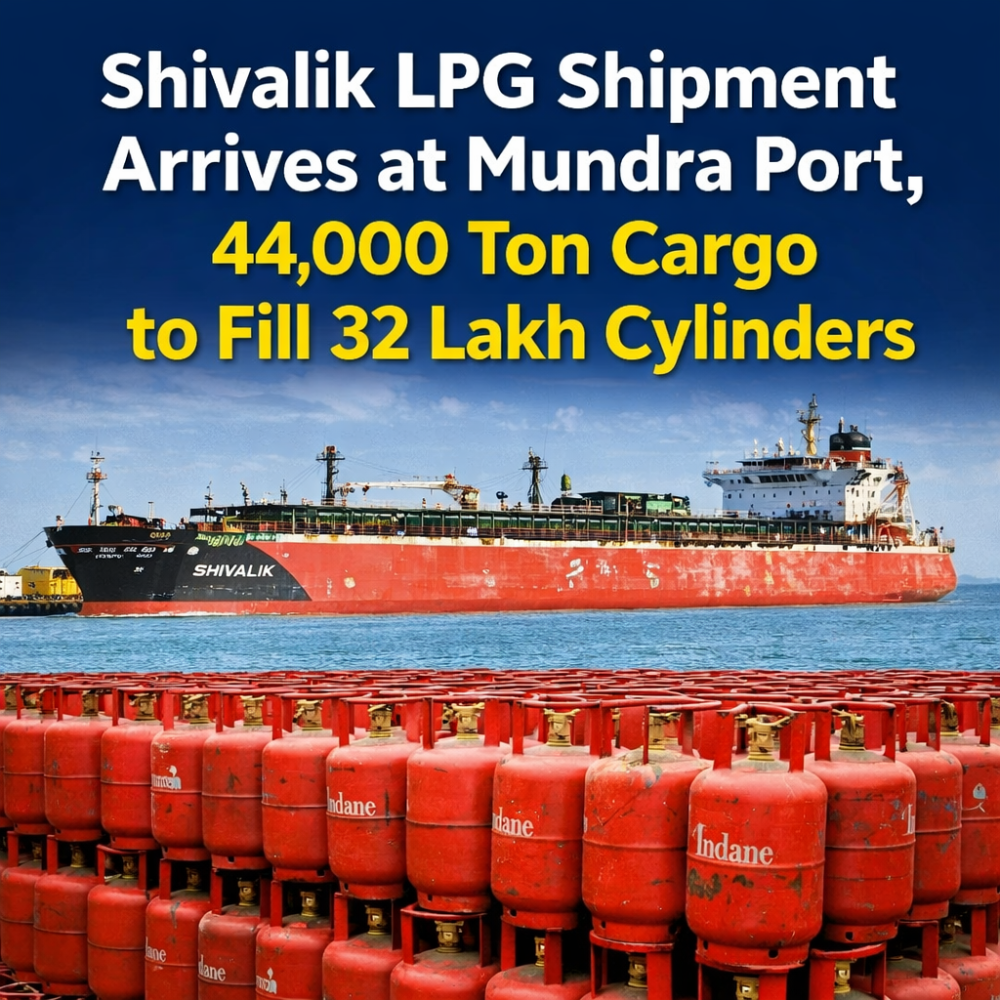
Shivalik LPG Shipment Arrives at Mundra Port, 44,000 Ton Cargo to Fill 32 Lakh Cylinders
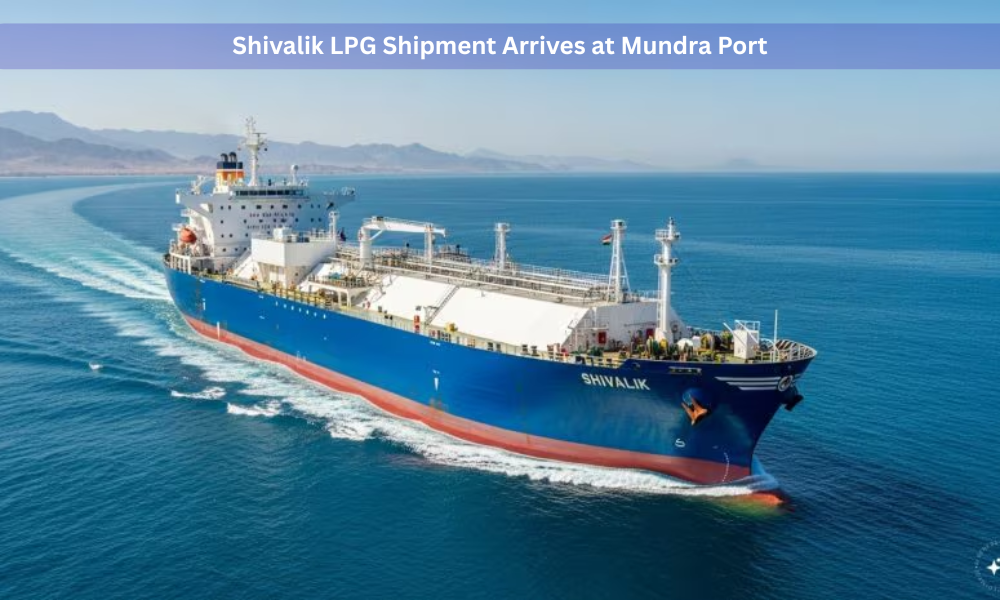
India has received a major boost in its energy supply with the arrival of a large Liquefied Petroleum Gas (LPG) shipment at Mundra Port. The vessel, carrying approximately 44,000 metric tons of LPG, has brought significant relief amid concerns over supply disruptions caused by global geopolitical tensions. This shipment is expected to play a crucial role in stabilizing domestic gas availability and ensuring uninterrupted supply to millions of households across the country.
The arrival of this LPG cargo is particularly important at a time when global supply chains have been impacted due to conflicts in key regions. Despite these challenges, India has managed to secure essential energy resources, highlighting the strength of its import strategy and logistics infrastructure.
Importance of LPG in India
LPG is one of the most widely used fuels in India, especially for domestic cooking purposes. It is considered a clean and efficient energy source and is used by millions of households under government schemes and private distribution systems.
The demand for LPG has grown significantly over the years due to:
- Increasing population and urbanization
- Government initiatives promoting clean cooking fuel
- Expansion of LPG distribution networks
- Rising awareness about health and environmental benefits
Given its importance, any disruption in LPG supply can directly affect daily life, making timely imports essential.
Details of the Shipment
The recently arrived LPG vessel carried around 44,000 metric tons of gas, a substantial quantity that can meet the needs of a large population. Reports indicate that approximately 20,000 metric tons of this cargo will be unloaded at Mundra Port.
This quantity is sufficient to fill nearly 32 lakh domestic LPG cylinders, which will be distributed across various regions. The availability of such a large volume ensures that supply chains remain stable and consumers do not face shortages.
Key highlights of the shipment include:
- Total cargo of 44,000 metric tons of LPG
- Around 20,000 metric tons to be unloaded at Mundra Port
- Capacity to fill approximately 32 lakh cylinders
- Timely arrival amid global supply uncertainties
This shipment is a critical addition to India’s energy reserves and will help meet rising demand.
Impact of Global Tensions
Global geopolitical tensions, particularly in energy-producing regions, have affected the supply of oil and gas worldwide. Conflicts in West Asia and disruptions in maritime routes have created uncertainty in the availability and pricing of LPG.
These challenges have led to:
- Delays in shipment schedules
- Increased transportation costs
- Fluctuations in global energy prices
- Pressure on importing countries like India
Despite these issues, India has managed to secure this shipment, ensuring that domestic supply remains unaffected.
Role of Mundra Port
Mundra Port, located in Gujarat, is one of India’s largest and most advanced ports. It plays a crucial role in handling energy imports, including crude oil, LNG, and LPG.
The port’s infrastructure allows it to efficiently manage large cargo volumes, making it a key hub for energy logistics. Its strategic location and modern facilities enable faster unloading and distribution of resources across the country.
Key advantages of Mundra Port include:
- Advanced cargo handling facilities
- Strategic location on the western coast
- Efficient connectivity to major markets
- Capability to handle large vessels
The arrival of the LPG shipment at Mundra Port highlights its importance in India’s energy supply chain.
Benefits for Consumers
The arrival of this LPG shipment is expected to bring multiple benefits for consumers. With increased supply, the risk of shortages is minimized, and distribution networks can function smoothly.
Some of the key benefits include:
- Continuous availability of LPG cylinders
- Reduced waiting time for refills
- Stabilization of market supply
- Support for household and commercial needs
For millions of families relying on LPG for cooking, this shipment ensures convenience and reliability.
Strengthening Energy Security
Energy security is a major priority for India, given its growing population and economic development. Ensuring a steady supply of essential fuels like LPG is critical for maintaining stability and growth.
This shipment reflects India’s proactive approach to:
- Diversifying energy sources
- Strengthening import networks
- Building strategic reserves
- Enhancing infrastructure for storage and distribution
By securing large shipments even during global uncertainties, India demonstrates resilience in managing its energy needs.
Challenges in the Energy Sector
While the arrival of this LPG cargo is a positive development, challenges in the energy sector remain. Dependence on imports makes India vulnerable to global price fluctuations and supply disruptions.
Some ongoing challenges include:
- Volatility in global energy markets
- Dependence on foreign suppliers
- Logistics and transportation issues
- Environmental concerns related to fossil fuels
Addressing these challenges requires long-term planning and investment in alternative energy sources.
Future Outlook
Looking ahead, India is expected to continue strengthening its energy infrastructure and exploring sustainable alternatives. While LPG will remain a key energy source, efforts are being made to promote renewable energy and reduce dependence on imports.
Future strategies may include:
- Expanding renewable energy capacity
- Increasing domestic production of energy resources
- Improving storage and distribution systems
- Encouraging energy efficiency among consumers
Such measures will help create a more balanced and sustainable energy ecosystem.
Conclusion
The arrival of the 44,000-ton LPG shipment at Mundra Port comes as a timely relief for India’s energy sector. It ensures the availability of essential fuel for millions of households and supports the smooth functioning of daily life.
Amid global uncertainties and supply disruptions, this development highlights the importance of strong infrastructure, efficient logistics, and strategic planning. By maintaining a steady flow of energy imports, India can safeguard its economy and meet the growing demands of its population.
In the long run, a combination of reliable imports, domestic production, and renewable energy adoption will be key to achieving energy security and sustainability.