
Rising Concern: Cervical Cancer Risk Among Women in Gujarat
Cervical cancer is one of the most serious health challenges affecting women worldwide. In India, it continues to be a major public health concern, especially among women who lack access to regular health screenings and preventive healthcare services. Recent reports highlight that in Gujarat, approximately one in twelve women faces the risk of developing cervical cancer during their lifetime. This alarming statistic has raised awareness about the importance of screening, vaccination, and early detection.
Cervical cancer develops in the cervix, the lower part of the uterus that connects to the vagina. It is primarily caused by persistent infection with certain types of the Human Papillomavirus (HPV). Although it is a serious disease, cervical cancer is one of the few cancers that can be prevented and successfully treated if detected early through regular screening and timely medical intervention.
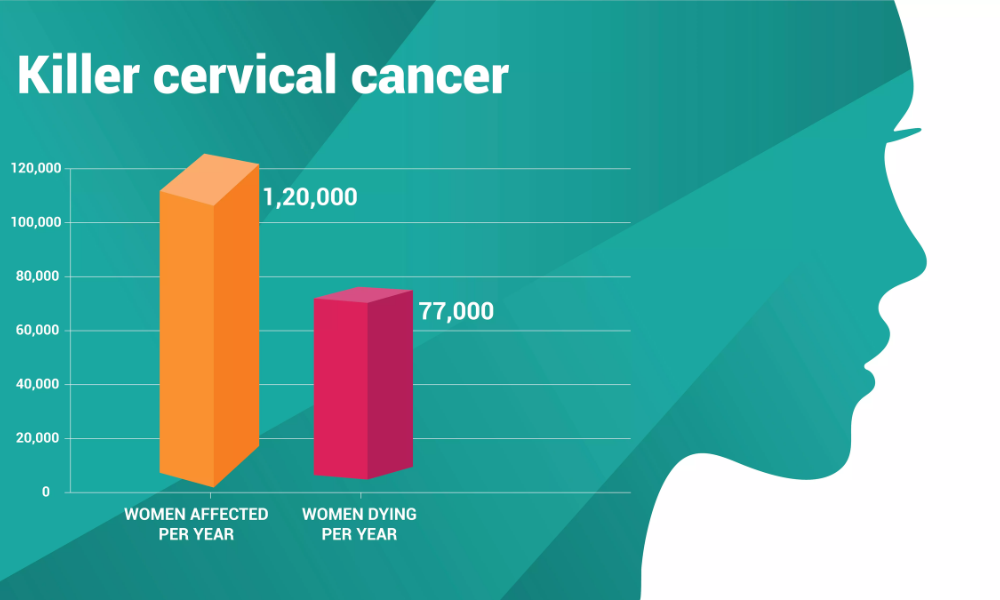
Understanding Cervical Cancer
Cervical cancer occurs when abnormal cells in the cervix begin to grow uncontrollably. Over time, these cells may develop into tumors and spread to other parts of the body if not treated. The primary cause of cervical cancer is long-term infection with HPV, a virus that spreads through skin-to-skin contact, including sexual contact.
Many women infected with HPV do not develop cancer because their immune system clears the virus naturally. However, in some cases the infection persists and leads to the development of precancerous cells and eventually cancer.
Situation in Gujarat
Health experts have expressed concern that the number of women affected by cervical cancer in Gujarat is increasing. Studies suggest that one out of every twelve women in the state may develop cervical cancer at some stage of their life. This risk highlights the urgent need for awareness programs and preventive measures.
Medical authorities and healthcare workers have been actively encouraging women to undergo screening tests such as Pap smear tests and HPV tests. These tests help detect abnormal changes in cervical cells before they turn into cancer. Early detection significantly improves the chances of successful treatment.
Importance of Cervical Cancer Screening
Screening is one of the most effective ways to prevent cervical cancer. Regular screening helps identify abnormal cell changes at an early stage, allowing doctors to treat the condition before it progresses into cancer.
Some key benefits of cervical cancer screening include:
-
Early detection of abnormal cervical cells
-
Prevention of cancer through timely treatment
-
Increased survival rates among women
-
Reduced healthcare costs through early intervention
-
Greater awareness about women’s reproductive health
Healthcare centers across Gujarat have been conducting screening camps and awareness drives to encourage women to take advantage of these services.
Role of HPV Vaccination
Vaccination is another powerful tool in the fight against cervical cancer. The HPV vaccine protects against the most common types of HPV responsible for cervical cancer. It is recommended for young girls before they become sexually active, but it can also be given to older women after consulting a doctor.
Benefits of HPV vaccination include:
-
Protection against high-risk HPV infections
-
Significant reduction in cervical cancer risk
-
Long-term immunity against specific HPV strains
-
Safer and cost-effective preventive healthcare
Public health campaigns are increasingly promoting HPV vaccination among adolescents to reduce future cases of cervical cancer.
Awareness Among Women
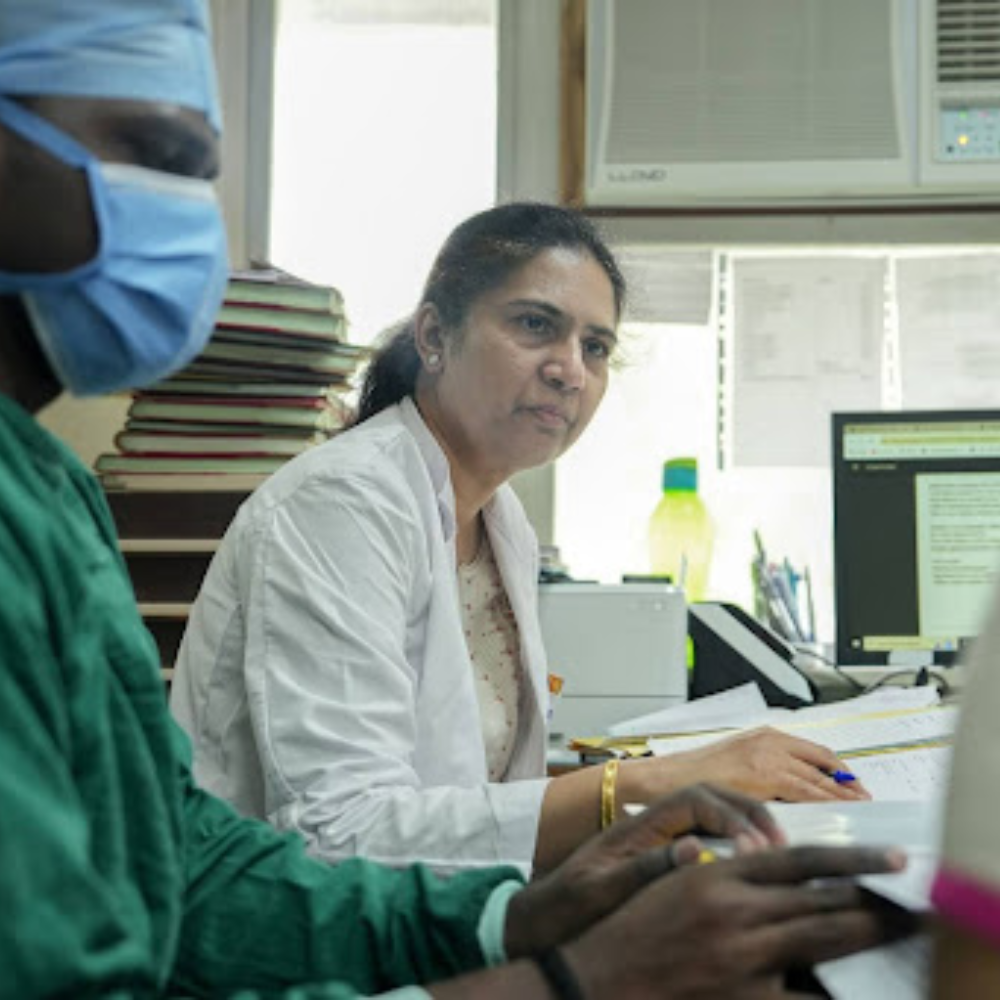
One of the biggest challenges in preventing cervical cancer is the lack of awareness. Many women are unaware of the symptoms, risk factors, and preventive measures associated with the disease. Cultural stigma, limited access to healthcare facilities, and lack of education often prevent women from seeking timely medical help.
Common symptoms of cervical cancer may include:
-
Abnormal vaginal bleeding
-
Pain during intercourse
-
Unusual vaginal discharge
-
Pelvic pain
-
Bleeding after menopause
However, early stages of cervical cancer often show no symptoms, which is why regular screening is extremely important.
Efforts by Health Authorities
Government health departments and medical organizations are working together to address this issue through multiple initiatives. These initiatives aim to educate women, promote screening programs, and provide vaccination services.
Some key initiatives include:
-
Organizing cervical cancer awareness campaigns
-
Conducting free screening camps in rural and urban areas
-
Promoting HPV vaccination for adolescent girls
-
Training healthcare workers to identify early symptoms
-
Encouraging women to prioritize regular health checkups
These programs play a crucial role in reducing the burden of cervical cancer and improving women’s health outcomes.
Importance of Early Detection
Early detection is the most effective way to reduce deaths caused by cervical cancer. When detected at an early stage, cervical cancer has a high survival rate. Unfortunately, many women are diagnosed at a later stage when the disease has already progressed.
Regular medical checkups and screenings allow doctors to identify precancerous conditions and treat them before they become life-threatening. This proactive approach saves lives and reduces the emotional and financial burden on families.
Community Support and Education
Community participation is essential in combating cervical cancer. Families, educators, healthcare workers, and social organizations must work together to spread awareness about the importance of preventive healthcare.
Educational programs can help women understand:
-
The causes and risk factors of cervical cancer
-
The importance of regular screening
-
The benefits of HPV vaccination
-
The availability of healthcare services
When communities actively support women’s health initiatives, it becomes easier to encourage women to take preventive measures.
Conclusion
Cervical cancer remains a significant health concern for women in Gujarat and across India. The statistic that one in twelve women may face the risk of developing cervical cancer highlights the urgent need for awareness, screening, and vaccination programs.
Fortunately, cervical cancer is largely preventable through early detection and proper medical care. Regular screening tests, HPV vaccination, and increased awareness can dramatically reduce the number of cases and save countless lives.
Empowering women with knowledge about their health is the first step toward preventing this disease. With continued efforts from healthcare authorities, communities, and individuals, the fight against cervical cancer can be strengthened, ensuring a healthier future for women in Gujarat and beyond.