Rajasthan City Name Change: Cultural and Historical Rebranding as Mount Abu, Jahazpur & Kama Get New Names
Rajasthan, a state deeply rooted in history, culture, and tradition, has once again drawn national attention with a significant administrative and cultural decision. In a move aimed at reinforcing historical identity and cultural heritage, the Rajasthan government has approved new names for three prominent towns. As per the latest announcement, Mount Abu will now be known as Abu Raj, Jahazpur has been renamed Yagyapur, and Kama will now officially be called Kamvan.
This Rajasthan city name change is being seen not merely as an administrative exercise but as a broader cultural and historical rebranding initiative. The decision reflects an effort to reconnect modern Rajasthan with its ancient roots, religious traditions, and historical narratives.
Why Rajasthan Is Renaming Cities
Across India, renaming cities has often been driven by the desire to revive indigenous names, remove colonial-era influences, or restore historically significant identities. In Rajasthan’s case, the renaming of Mount Abu, Jahazpur, and Kama aligns with this broader philosophy.
According to state officials, the new names are inspired by references found in ancient texts, local folklore, and regional history. The government believes that these changes will help preserve cultural authenticity, strengthen regional pride, and promote awareness of Rajasthan’s deep historical legacy among future generations.
Mount Abu Becomes Abu Raj: Restoring Royal and Cultural Identity
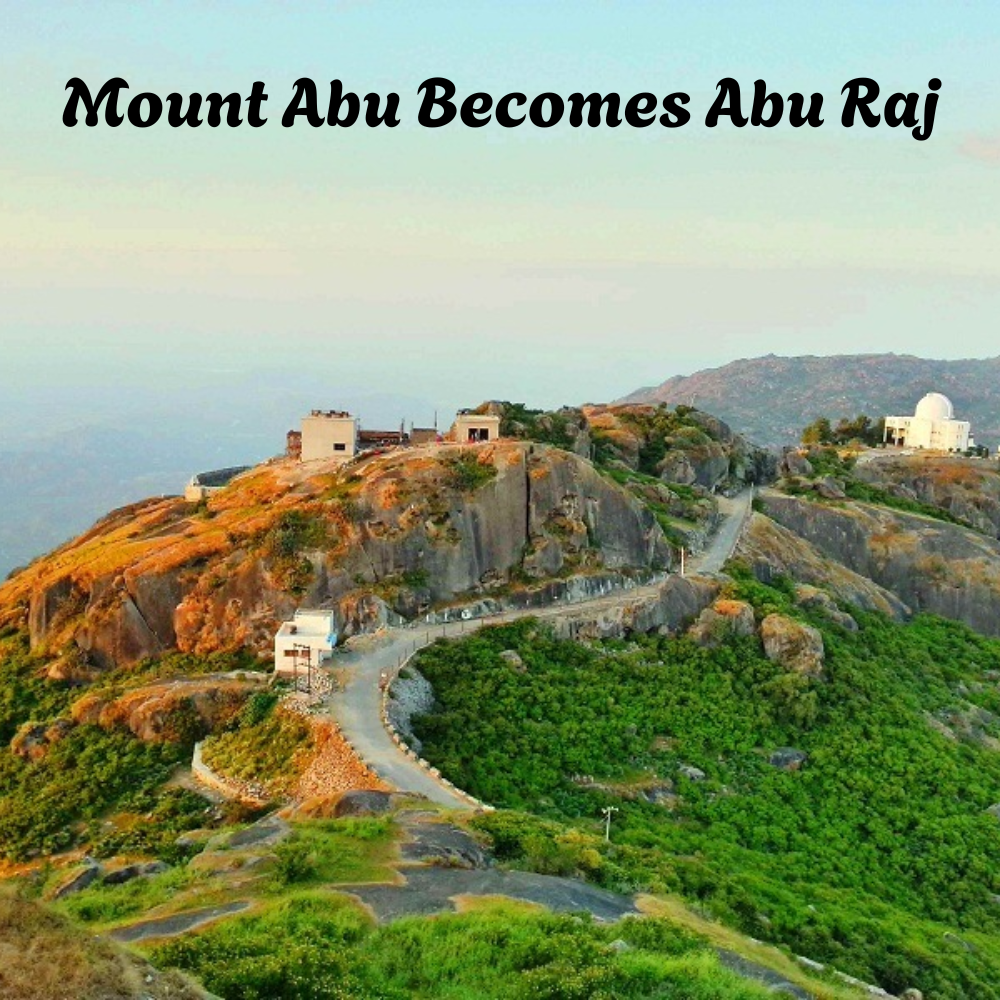
Mount Abu holds a unique position in Rajasthan. Known as the state’s only hill station, it has long been a center of tourism, spirituality, and natural beauty. Nestled in the Aravalli range, Mount Abu is famous for landmarks such as Dilwara Temples, Nakki Lake, and its pleasant climate.
The new name Abu Raj is said to draw inspiration from ancient references to the region as a sacred and royal land. The word “Abu” has historical and mythological significance, often associated with Mount Arbuda mentioned in Hindu scriptures. The addition of “Raj” symbolically emphasizes sovereignty, heritage, and cultural pride.
Officials and cultural scholars suggest that Abu Raj better reflects the town’s historical stature as a revered and strategically important region. From a tourism perspective, authorities believe the new name will enhance the destination’s cultural branding while retaining its global appeal.
Jahazpur Renamed Yagyapur: A Nod to Vedic Traditions
Jahazpur, located in the Bhilwara district, has a rich yet relatively lesser-known historical background. The town has long been associated with religious rituals, temples, and ancient settlements. Its renaming to Yagyapur is rooted in Vedic tradition.
The term “Yagya” refers to sacred fire rituals described in ancient Hindu texts, symbolizing purification, community harmony, and devotion. Historical references suggest that the region was once a center for such rituals and spiritual gatherings. By adopting the name Yagyapur, the government aims to revive this spiritual identity and bring attention to the town’s religious significance.
Local historians have welcomed the change, stating that Yagyapur aligns more closely with the town’s ancient role as a spiritual hub. The renaming is also expected to boost religious tourism and encourage preservation of heritage sites in and around the region.
Kama Becomes Kamvan: Reviving Mythological Connections
The town of Kama, situated in the Bharatpur district, has been renamed Kamvan, a name deeply connected to Hindu mythology. The region is believed to be associated with Lord Krishna’s pastimes and is often mentioned alongside Braj-related legends.
The name Kamvan is said to reflect ancient forested landscapes described in mythological narratives, where divine stories unfolded. Over time, the original name is believed to have been shortened or altered, leading to the modern name Kama.
By restoring the name Kamvan, the Rajasthan government seeks to re-establish the town’s spiritual and mythological identity. This change is expected to resonate strongly with devotees, historians, and cultural enthusiasts, particularly those interested in Braj culture and Krishna lore.
Cultural Impact and Public Response
The Rajasthan city name change has generated mixed but largely engaged reactions. Supporters argue that such decisions help protect cultural heritage and educate younger generations about regional history. They believe that restoring ancient names strengthens identity and pride at the local level.
On the other hand, some residents have raised practical concerns regarding documentation, signage, and administrative updates. Government officials have assured that the transition will be gradual, with sufficient time given for updates to official records, maps, and public infrastructure.
Importantly, authorities have emphasized that the renaming will not affect property rights, civic services, or governance structures. The focus remains on cultural restoration rather than administrative disruption.
Administrative Process and Implementation
Renaming a city involves multiple stages, including approval from the state cabinet, updates in revenue records, changes in municipal documentation, and eventual notification at the national level. Officials have confirmed that all required procedures are being followed to ensure legal and administrative clarity.
Signboards, government offices, tourism materials, and digital records will be updated in phases. The state has also directed departments to conduct awareness campaigns so that residents and visitors can smoothly adapt to the new names.
What This Means for Rajasthan’s Identity
Rajasthan has always been synonymous with heritage, from its forts and palaces to its folk traditions and festivals. The renaming of Mount Abu to Abu Raj, Jahazpur to Yagyapur, and Kama to Kamvan reinforces the state’s commitment to preserving its historical narrative.
Beyond symbolism, these changes are expected to contribute to cultural tourism, academic research, and heritage conservation. By reviving names rooted in history and mythology, Rajasthan positions itself as a state that
values continuity between its ancient past and modern present.
Why Were the Names of These Three Cities Changed?
The decision to rename Mount Abu, Jahazpur, and Kama is rooted in a common objective: restoring historically accurate and culturally significant identities. The Rajasthan government stated that over time, several place names were altered due to linguistic changes, colonial influence, or administrative convenience, which diluted their original meaning. Historical records, ancient scriptures, and local traditions indicate that these regions were once known by names closely linked to mythology, Vedic rituals, and spiritual heritage.
By approving these changes, the state aims to realign modern geography with traditional history, strengthen cultural awareness among citizens, and promote heritage-based tourism. The move is also seen as part of a broader cultural revival effort, ensuring that Rajasthan’s ancient legacy is preserved and reflected in its present-day identity.
Conclusion
The renaming of three Rajasthan cities marks a significant moment in the state’s cultural journey. More than a change of names, it represents an effort to reclaim historical identity, honor ancient traditions, and strengthen cultural consciousness.
As Abu Raj, Yagyapur, and Kamvan begin their journey under new identities, the decision serves as a reminder that names carry stories, beliefs, and legacies. For Rajasthan, this cultural and historical rebranding is a step toward ensuring that its rich past continues to inform and inspire its future.