Panna’s Diamonds: Glitter on the Surface, Hardship Beneath
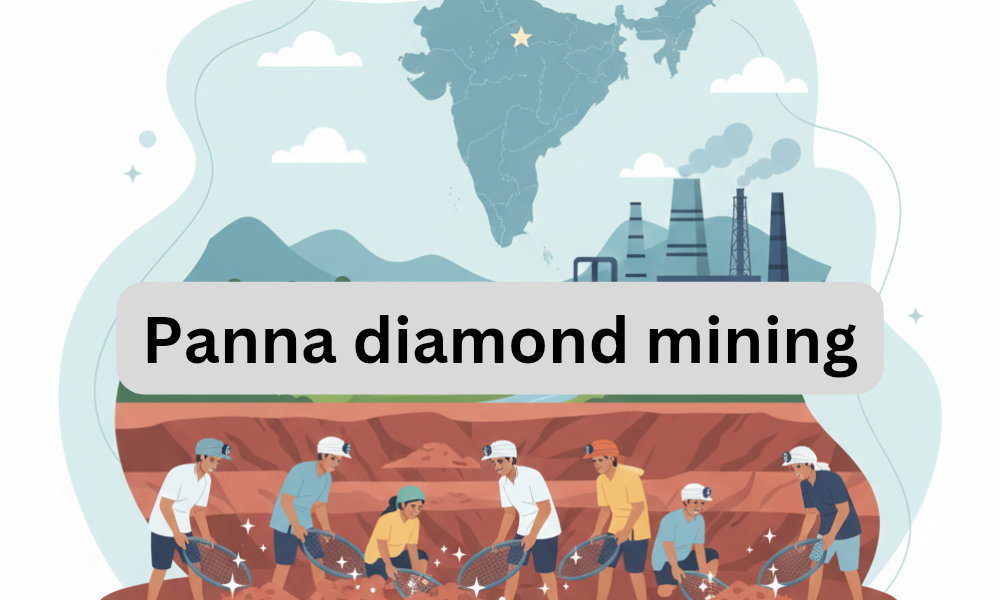
Envision a place where each man, lady, and in some cases entire families wake up some time during the day break, snatch corroded instruments, burrow dusty soil all day long and return domestic depleted — not for a customary wage, but for a little trust: finding a jewel. That put is Panna — a dusty locale in Madhya Pradesh, India’s as it were, a locale with actually happening precious stones, however one of its poorest corners.
Many call the jewels here sweet precious stones — not since they’re struggle stones like “blood diamonds”, but since they are actually mined by individuals driven by edginess and obligation.
In this story, the precious stone isn’t fair a stone — it’s an image of a dream that keeps numerous working agonizingly difficult in spite of nearly never striking luck.
The Charm and the Reality
Why Individuals Run to Panna
In Panna, anybody who needs can get a fix or arrive at mine — as a rule an 8×8 meter plot, littler than half a volleyball court — for an ostensible expense (almost ₹200).
But that modest piece speaks to a world of hope:
- To pay off loans
- To elude cultivate distress
- To construct a house
- To wed a daughter
- To nourish children
A jewel appears like a ticket out of hardship.
But That Trust Comes at a Price
The work is exhausting:
- Dig pits 8–10 feet profound by hand.
- Break stones with hammers.
- Wash and sifter rock to discover minor gems.
- Countless dreary hours in the hot sun.
Many go months or a long time without finding anything.
And keep in mind, costs don’t halt. Indeed, remaining close to the mine — nourishment and essential convenience — can fetch ₹1 lakh or more in a year for a small-time mineworker.
Some bring in contracted work. Numerous people rest in unstable tents in unpleasant conditions. The work is dusty, dull, and offers no guarantee.
Yet the start of that one precious stone keeps them coming back once more and again.
Stories from the Ground
There are faces behind these measurements — genuine lives checked by struggle.
A Sanitation Worker’s Decades-Long Hunt
One mineworker told columnists he has been burrowing since childhood — over 20 a long time — without finding a jewel. In spite of difficult work, his feet are recolored by soil and his family still battles. Words like “today may be the day” resound over the cavities, indeed when the chances are against them.
Families Wagering on Luck
Among the confident swarm at mining plots are:
- A slight couple in their 60s trusting to discover jewels to construct a temple.
- Former carpenters who misplaced work due to injuries.
- Seasonal workers from other states who came here seeing stories on social media.
Watching them burrow, you see more than soil being turned — you see a long time of dreams and uncertain debts.
The Uncommon Flickers of Fortune
Every presently and at that point, somebody really does strike luck:
An agriculturist as of late found a 32.80-carat precious stone, estimated at over ₹1 crore, after a long time of mining in little pieces.
Two companions working together revealed a 15.34-carat stone worth around ₹50–60 lakh, changing their fortunes in a fair 20 days.
Others have found precious stones worth ₹40 lakh or more.
When a huge stone is uncovered, the digger must take it to the government precious stone office. It gets unloaded — but after sovereignties (almost 11.5%) and assess, what the discoverer really gets can be much less.
Yet these uncommon finds have become legends in towns, rousing more individuals to attempt their good fortune, no matter the hardship.
A Cruel Financial Picture
Here’s the biting irony:
The chance of finding a precious stone from auxiliary stores (riverbeds, soil) is exceptionally moot.
Most individuals return home without any discovery at all.
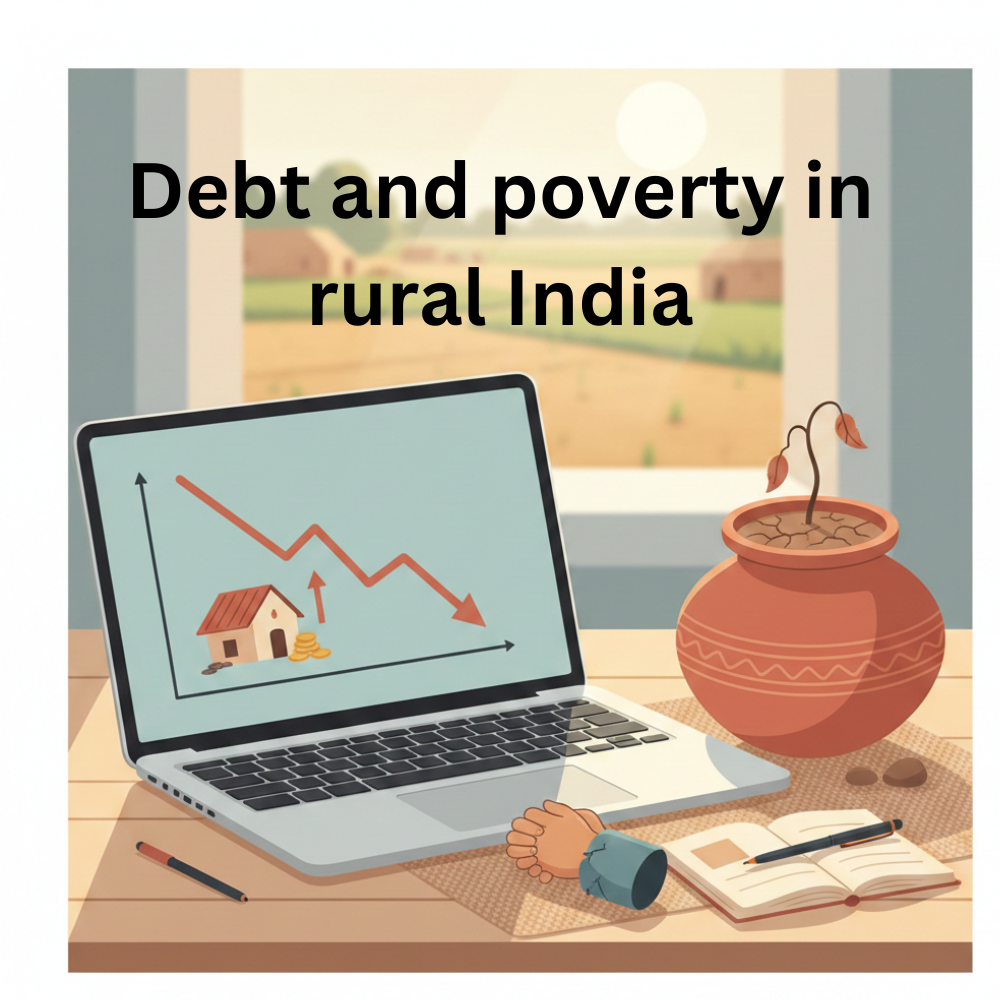
Many carry obligations from some time recently they came here, trusting jewels will settle their issues — frequently clearing out them more profoundly in trouble.
The greater issue is that precious stones from Panna are humble in number and measure compared to worldwide generation. Whereas it once had a prospering precious stone story centuries prior, nowadays the worldwide advertisement has moved to places like South Africa, Botswana and Canada.
Also, worldwide precious stone costs have fallen around 40% in a long time, somewhat due to lab-grown jewels and oversupply.
So indeed if somebody finds a stone, its esteem might not coordinate the decades of exertion put in.
Not Fair Work — Chance and Sacrifice
Beyond physical work, other costs exist:
Health Hazards
Miners regularly work without appropriate security and adapt in dusty situations — and in a few towns, individuals endure lung and respiratory issues that aren’t continuously tended to.
Environment and Wildlife
Panna lies close to a tiger reserve, so unregulated mining increases the hazard of natural harm and clashes over arrival.
Debt and Hope
Some mineworkers have taken critical credits some time recently, indeed beginning the burrowing, considering they will pay them off rapidly. But most don’t. Obligation heaps up. Compensation is inevitable. Families wait.
It gets to be a passionate cycle as much as a physical one — a blend of edginess, confidence, and hope.
Why the Framework Keeps Going
Given how troublesome and regularly unrewarding the work is, why does this continue?
Officials say if legitimate leases are ceased, mining will go underground — more unlawful, unregulated, and harder to track precious stones.
So instead of closing it down, the government still issues huge numbers of leases — around 300 to 500 a year. But that doesn’t alter the financial matters for most — the normal digger still gains exceptionally small, if anything at all.
Conclusion
What Can We Take Away?
Panna’s jewel story is not fair around sparkly stones.
It’s about:
- Hope blended with hardship
- Dreams made by a sparkling promise
- People chasing alter through greatly extreme work
- The lean line between destitution and opportunity
It’s an update that now and then, the most valuable things in life are not gemstones, but the calm battles of ordinary people.
And whereas the world might see jewels as extravagance and status images, in Panna they are the flash of plausibility — in any case slippery — in lives that starve for change.