LPG Cylinder Rule Change in Gujarat : Households with Piped Gas Must Surrender Cylinders by Wednesday
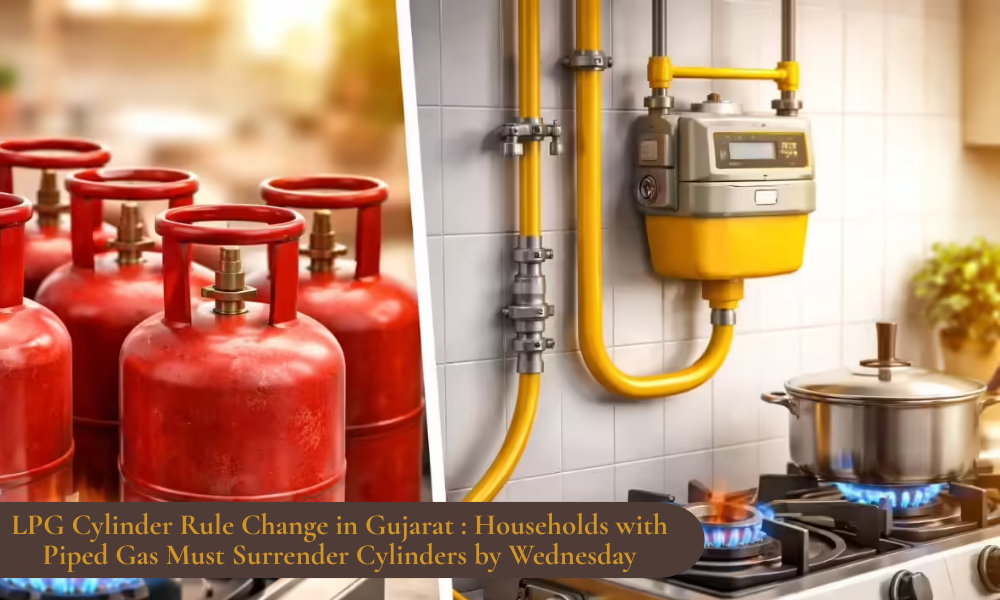
Gujarat is witnessing a significant shift in its domestic gas distribution policy as the state government has introduced a new rule affecting thousands of households. According to the latest directive, households that already have access to piped natural gas (PNG) will now be required to surrender their LPG cylinders by Wednesday. This move comes amid rising concerns over LPG availability and aims to ensure better distribution of resources across the state.
The decision has sparked discussions among citizens, especially in urban areas where both LPG and PNG connections are commonly used. While the government maintains that the move is necessary for efficient resource management, many households are now preparing to adapt to the new regulation.
Why the Rule Has Been Introduced
The primary reason behind this policy change is the growing demand for LPG cylinders across Gujarat. Over the past few months, supply pressures have increased due to higher consumption levels and external factors affecting fuel availability. To tackle this issue, authorities have decided to prioritize LPG supply for households that do not have access to piped gas.
Households with PNG connections already receive a continuous gas supply through pipelines, making LPG cylinders a secondary or backup option for them. By asking such households to surrender their LPG cylinders, the government aims to redirect those cylinders to areas where PNG infrastructure is not available.
This step is also seen as a way to reduce duplication of resources, where a single household uses both PNG and LPG simultaneously, leading to unnecessary strain on the supply chain.
Impact on Households
The new rule will mainly affect urban residents in cities where PNG connections are widely available. Many families have been using LPG cylinders as a backup during pipeline maintenance or supply interruptions. With the new directive, such households will need to rely entirely on piped gas.
For some residents, this change may bring inconvenience, especially in situations where PNG supply is temporarily disrupted. However, officials have assured that pipeline networks are being strengthened to minimize such issues and ensure uninterrupted service.
On the positive side, households that depend solely on LPG cylinders, particularly in rural and semi-urban areas, are expected to benefit from improved availability and faster delivery.
Deadline and Compliance
The government has set a strict deadline for compliance, asking households with PNG connections to surrender their LPG cylinders by Wednesday. Authorities have urged citizens to cooperate and complete the process within the given timeframe to avoid any penalties or service disruptions.
Local gas agencies have been instructed to facilitate a smooth return process. Customers can visit their respective distributors to submit cylinders and update their connection status. Proper documentation and verification may be required during this process.
Officials have also indicated that regular checks may be conducted to ensure compliance, and any violations could lead to action under existing regulations.
Exemptions and Special Cases
While the rule applies broadly, there may be certain exceptions in special cases. For instance, commercial establishments, industries, or institutions that require LPG for specific operational purposes may continue to receive supply based on their needs.
Additionally, areas where PNG supply is inconsistent or still under development may receive temporary relief. The government is expected to review such cases individually to ensure that essential services are not affected.
Government’s Perspective
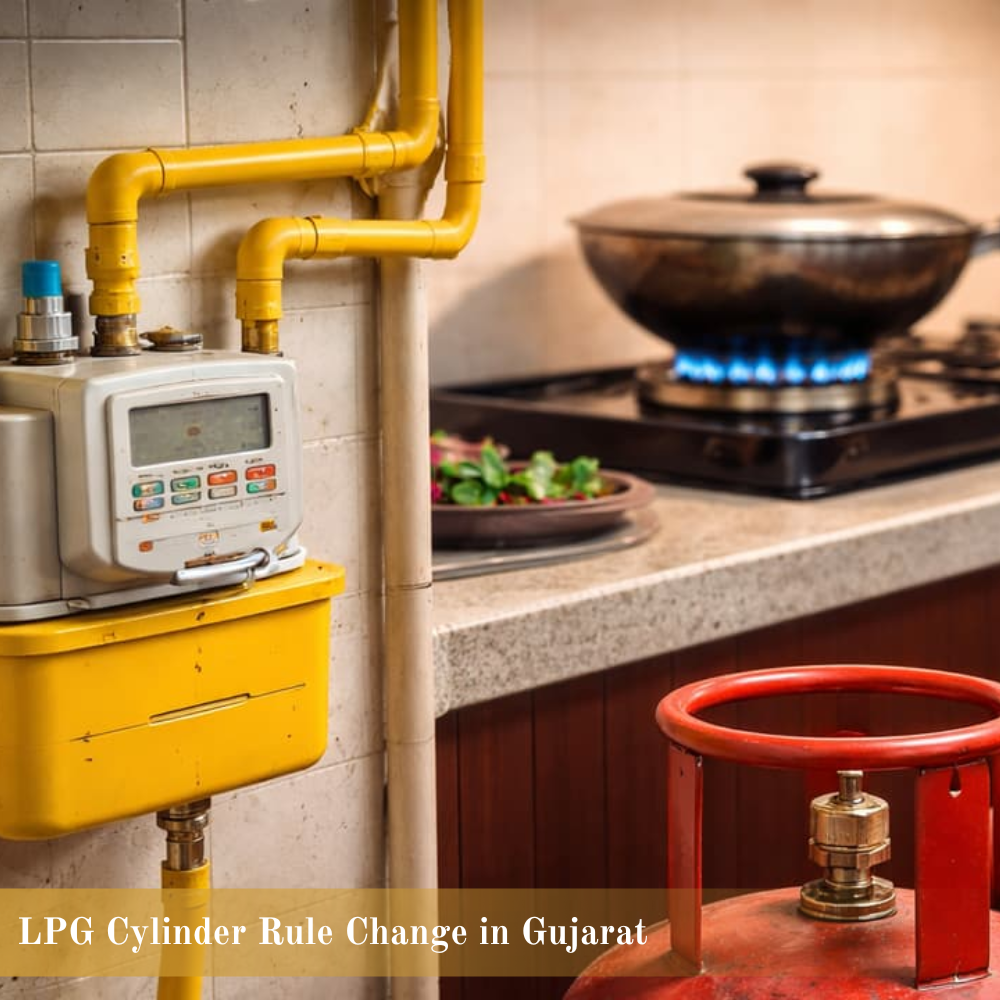
From the government’s point of view, this decision is a practical step toward better fuel management. Officials have stated that there is no overall shortage of LPG, but the distribution needs to be optimized to meet demand efficiently.
By reallocating cylinders from PNG-equipped households to those without access, the authorities hope to create a more balanced system. This approach also aligns with long-term goals of promoting cleaner and more efficient energy sources like piped natural gas.
The government has also emphasized that domestic or commercial usage is not being restricted entirely. Instead, the focus is on ensuring that resources are utilized where they are most needed.
Public Reaction
The public response to this announcement has been mixed. While some citizens have welcomed the move as a fair way to improve LPG availability, others have expressed concerns about losing a reliable backup option.
Residents in major cities have particularly highlighted the need for uninterrupted PNG supply if LPG cylinders are to be withdrawn. Many have suggested that the government should first ensure a robust pipeline infrastructure before enforcing such rules.
Social media platforms have also seen active discussions, with users sharing their opinions and seeking clarity on implementation details.
Long-Term Implications
In the long run, this policy could encourage more households to fully transition to piped natural gas, reducing dependence on LPG cylinders. PNG is considered a safer and more convenient option as it eliminates the need for cylinder storage and regular refilling.
The move may also support environmental goals by promoting cleaner fuel usage and reducing transportation-related emissions associated with LPG distribution.
However, the success of this policy will largely depend on how effectively the government manages PNG supply and addresses concerns raised by citizens.
What Citizens Should Do
Residents who have both LPG and PNG connections should take immediate steps to comply with the new rule. It is advisable to contact local gas distributors for guidance on the surrender process and required documentation.
Households should also ensure that their PNG systems are functioning properly and report any issues to service providers without delay. Staying informed through official announcements will help avoid confusion and ensure smooth compliance.
Conclusion
The new LPG cylinder rule in Gujarat marks a significant step toward optimizing fuel distribution in the state. By requiring households with piped gas to surrender their LPG cylinders, the government aims to ensure that resources are directed where they are needed the most.
While the decision may cause short-term inconvenience for some, it holds the potential to improve LPG availability for underserved areas and promote the use of piped natural gas as a primary fuel source. As the deadline approaches, cooperation from citizens and efficient implementation by authorities will be key to the success of this policy.