Kurds in Syria Welcome Nowruz with Unique Traditions
The arrival of spring is celebrated across many cultures around the world, but for the Kurdish community in Syria, Nowruz holds a deeply rooted cultural, historical, and emotional significance. Observed on March 21 each year, Nowruz marks the Kurdish New Year and symbolizes renewal, freedom, and hope. For Kurds living in Syria, the festival is not just about welcoming a new season—it is a vibrant expression of identity, resilience, and unity.
Cultural Significance of Nowruz
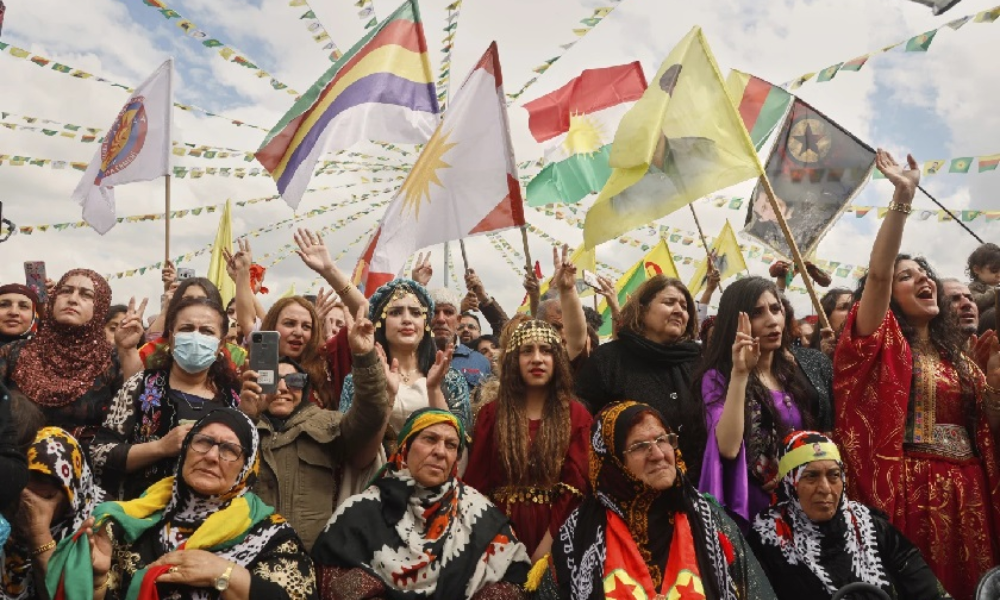
Nowruz, meaning “new day,” has been celebrated for over 3,000 years across regions of the Middle East, Central Asia, and beyond. Among the Kurds, the festival carries a special meaning tied to ancient legends and historical struggles. One of the most popular Kurdish legends associated with Nowruz is the story of Kawa the Blacksmith, who led a rebellion against a tyrant king. The lighting of fires during Nowruz symbolizes the victory of light over darkness and freedom over oppression.
In Syria, where Kurds form a significant minority, Nowruz has long been an important cultural celebration. Despite political and social challenges over the years, Kurdish communities have continued to preserve their traditions and pass them down through generations.
Preparations and Festive Atmosphere
Preparations for Nowruz begin days in advance. Families clean and decorate their homes, symbolizing a fresh start for the new year. Traditional Kurdish clothing is brought out, often featuring bright colors like red, green, and yellow—colors that hold cultural importance.
Markets in Kurdish-majority areas become lively with the sale of festive items, sweets, and traditional foods. Women prepare special dishes, while children eagerly await the celebrations. The entire atmosphere is filled with excitement and anticipation.
On the eve of Nowruz, families gather to share meals, exchange greetings, and prepare for the main festivities. The sense of community is strong, as neighbors and relatives come together to celebrate.
Lighting of Bonfires
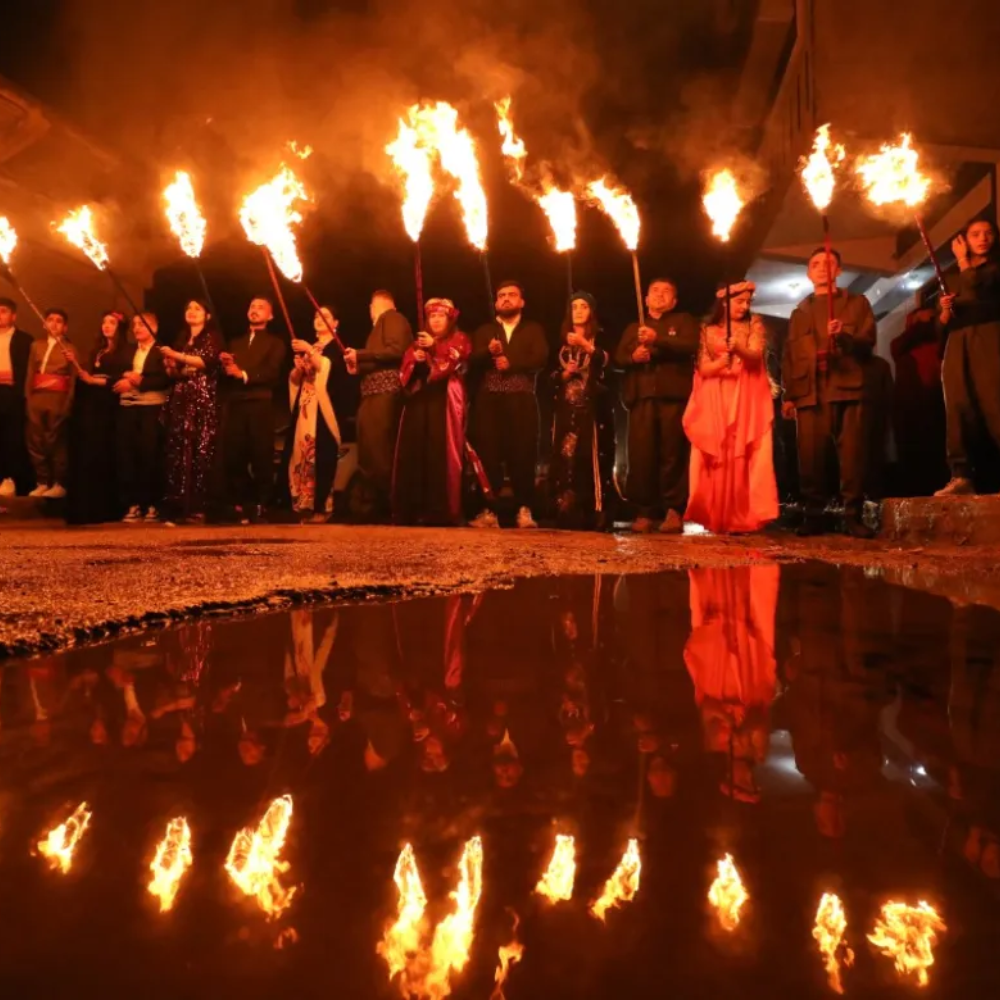
One of the most iconic traditions of Nowruz among Kurds in Syria is the lighting of bonfires. As night falls, people gather in open spaces, hills, or villages to light large fires. These flames symbolize the triumph of good over evil and the arrival of a brighter future.
Young people often jump over the flames, a ritual believed to bring good luck and cleanse negativity. The sight of glowing fires across Kurdish regions creates a magical and unforgettable atmosphere.
The bonfire tradition is not just symbolic but also serves as a unifying event where people of all ages come together to celebrate their shared heritage.
Music, Dance, and Celebration
No Kurdish celebration is complete without music and dance. During Nowruz, traditional Kurdish music fills the air, and people join hands to perform the famous Kurdish circle dance known as “govend” or “halay.”
Men and women dance together in long lines, moving rhythmically to the beats of drums and traditional instruments. The dances often continue for hours, reflecting the joy and energy of the festival.
Singers and performers also play an important role in the celebrations, keeping cultural traditions alive through songs that tell stories of Kurdish history, love, and resistance.
Traditional Food and Hospitality
Food is an essential part of Nowruz celebrations. Kurdish families prepare a variety of traditional dishes that are shared with friends and relatives. Meals often include rice dishes, grilled meats, fresh herbs, and homemade bread.
Hospitality is a key aspect of Kurdish culture, and during Nowruz, homes are open to guests. Sharing food and spending time together strengthens social bonds and creates a sense of belonging.
Sweets and desserts are also an important part of the celebration, symbolizing sweetness and prosperity in the coming year.
A Symbol of Identity and Resistance
For Kurds in Syria, Nowruz is more than just a festival—it is a powerful symbol of cultural identity and resilience. Over the years, Kurdish communities have faced challenges in expressing their cultural traditions openly. However, Nowruz has remained a strong and enduring expression of Kurdish heritage.
Celebrating Nowruz allows Kurds to reconnect with their roots and assert their cultural identity. It serves as a reminder of their history, struggles, and aspirations for the future.
In recent years, celebrations in some parts of Syria have become more visible and vibrant, reflecting a renewed sense of cultural pride among Kurdish communities.
Regional Variations in Celebration
While the core traditions of Nowruz remain the same, the way it is celebrated can vary across different Kurdish regions in Syria. In rural areas, celebrations often take place in open fields or hills, where large gatherings are organized.
In urban areas, cultural events, concerts, and public gatherings are more common. Schools and community organizations may also organize special programs to educate younger generations about the significance of Nowruz.
Despite these variations, the spirit of the festival remains consistent—celebrating life, renewal, and unity.
The Role of Youth and Future Generations
Young people play a crucial role in keeping Nowruz traditions alive. From participating in dances and music to organizing events, the younger generation actively contributes to the celebrations.
Social media has also become a platform for sharing Nowruz celebrations with the world. Photos and videos of bonfires, dances, and traditional attire help spread awareness about Kurdish culture and traditions.
By engaging with their heritage, Kurdish youth ensure that the legacy of Nowruz continues for future generations.
Challenges and Changing Dynamics
While Nowruz remains a cherished celebration, it is not without challenges. Political instability and regional conflicts in Syria have affected public gatherings and celebrations in some areas.
However, despite these difficulties, Kurdish communities have shown remarkable resilience. Even in challenging circumstances, families find ways to celebrate Nowruz, whether through small gatherings at home or community events.
The adaptability of the celebration highlights its deep cultural importance and the determination of the Kurdish people to preserve their traditions.
Conclusion
Nowruz is a festival that goes beyond celebration—it is a powerful expression of identity, unity, and hope for the Kurdish people in Syria. From the lighting of bonfires to the rhythms of traditional dance, every aspect of the festival reflects a rich cultural heritage that has stood the test of time.
For Kurds in Syria, Nowruz is not just the beginning of a new year but a reminder of their history, their struggles, and their enduring spirit. As they gather each year to celebrate, they reaffirm their connection to their roots and look forward to a future filled with peace, prosperity, and cultural pride.