India’s Digital Future: Data Center Expansion Attracts Global Capital
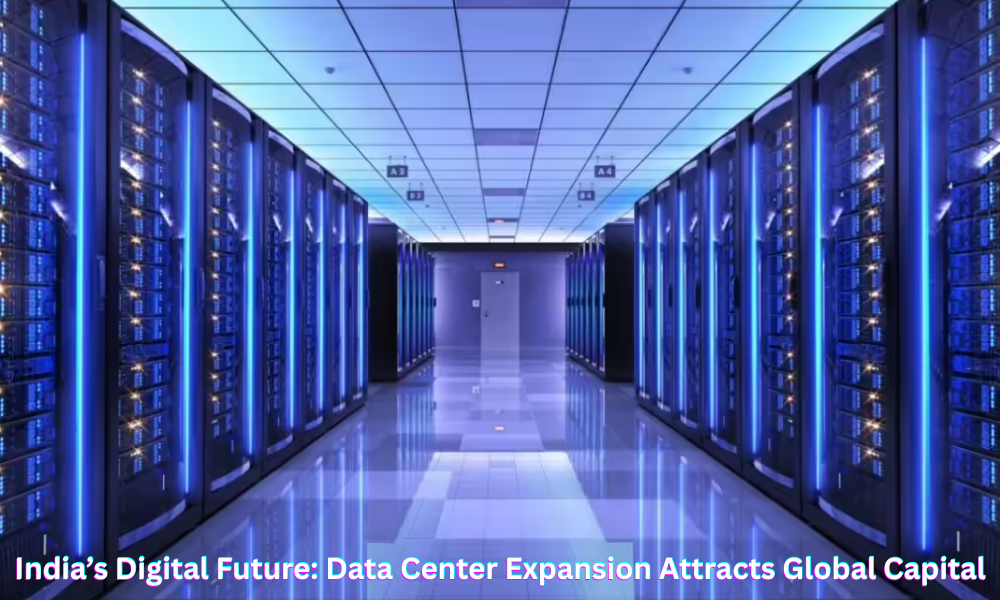
India is steadily emerging as a global powerhouse in digital infrastructure, with Gulf-based data center operators increasingly prioritizing investments in the country. As the world becomes more data-driven, the demand for high-capacity, secure, and efficient data storage solutions is growing at an unprecedented pace. India, with its expanding digital ecosystem and supportive policy environment, is well-positioned to capitalize on this demand. Industry projections indicate that India’s total data center capacity is likely to reach 4 gigawatts (GW) by 2030, reflecting a strong growth trajectory.
Key Highlights
1. Surge in Gulf Investments
Gulf countries have traditionally been strong investors in global infrastructure, and now they are turning their attention toward India’s booming data center sector. With markets in parts of the Middle East nearing saturation, operators are seeking expansion in regions that promise long-term growth. India’s massive consumer base, combined with its fast-growing digital economy, makes it an attractive destination. Gulf investors are not only bringing capital but also advanced technologies and operational expertise that can accelerate the development of world-class data centers in India.
2. Explosive Growth in Digital Demand
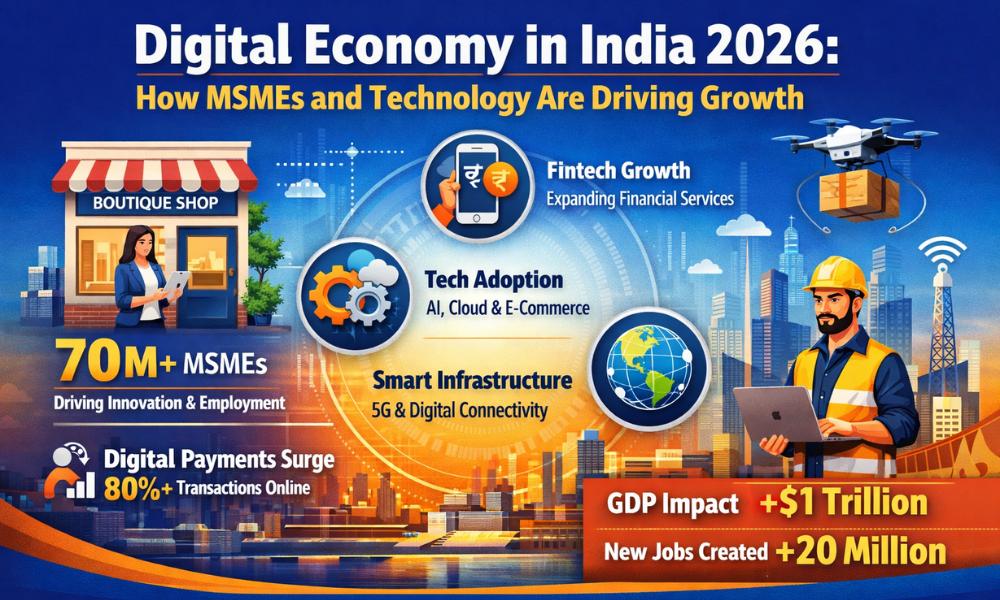
India’s digital revolution is one of the biggest drivers behind the surge in data center investments. The country is witnessing a rapid increase in internet users, fueled by affordable smartphones and low-cost data plans. Sectors such as e-commerce, digital payments, online education, streaming services, and gaming are expanding rapidly, generating vast amounts of data. Additionally, the adoption of emerging technologies like artificial intelligence (AI), machine learning, and the Internet of Things (IoT) is further boosting the need for robust data infrastructure.
3. Supportive Government Policies
The Indian government has taken several proactive steps to promote the data center industry. Granting infrastructure status to data centers has made it easier for developers to access financing and attract investments. Several states, including Maharashtra, Tamil Nadu, Telangana, and Karnataka, have introduced dedicated data center policies offering incentives such as tax benefits, land subsidies, and power tariff concessions. These initiatives are significantly improving the ease of doing business and encouraging both domestic and international players to invest in the sector.
4. Emergence of Key Data Center Hubs
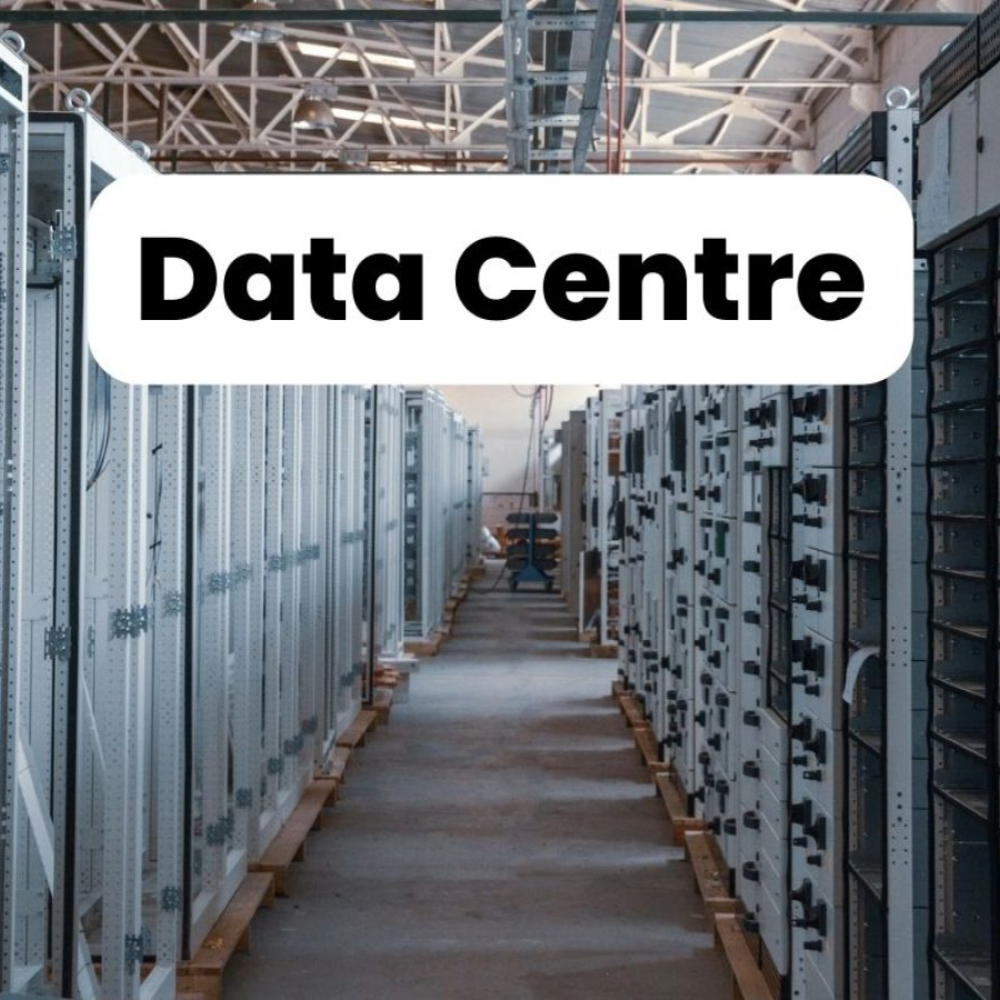
India’s data center growth is concentrated in major metropolitan cities that offer strategic advantages. Mumbai remains the leading hub due to its robust connectivity, financial ecosystem, and access to submarine cable networks. Chennai is gaining traction because of its strong international connectivity, while Hyderabad and Bengaluru are emerging as major data center destinations due to their thriving IT industries and startup ecosystems. These cities provide the necessary infrastructure, skilled workforce, and connectivity required for large-scale data center operations.
5. Data Localization Requirements
India’s regulatory environment is also playing a crucial role in driving data center demand. Data localization norms require certain types of data, especially in sectors like finance and government services, to be stored within the country. This has led to increased demand for local data storage facilities, encouraging companies to set up or expand their data center operations in India. For Gulf operators, this presents a significant opportunity to cater to both domestic and multinational clients operating in India.
6. Focus on Sustainability
As data centers consume large amounts of energy, sustainability has become a key focus area for operators. In India, there is a growing emphasis on building green data centers powered by renewable energy sources such as solar and wind. This not only helps reduce operational costs but also aligns with global environmental standards. India’s commitment to increasing its renewable energy capacity provides an added advantage, making it easier for data center operators to adopt sustainable practices.
7. Challenges and Roadblocks
Despite its strong growth potential, the data center sector in India faces certain challenges. High land acquisition costs in prime urban areas can impact project viability. Power availability and reliability remain concerns, especially given the energy-intensive nature of data centers. Additionally, there is a need to develop a skilled workforce capable of managing advanced data center technologies. However, with ongoing infrastructure development and policy support, these challenges are gradually being addressed.
Conclusion
India’s rise as a preferred destination for data center investments highlights its growing significance in the global digital economy. The increasing interest from Gulf-based operators is a testament to the country’s strong market fundamentals, policy support, and long-term growth potential. With data consumption continuing to surge and new technologies driving demand, India is well on track to achieve its target of 4 GW data center capacity by 2030.
While challenges such as infrastructure costs and energy requirements remain, the overall outlook for the sector is highly positive. Continued investments, technological advancements, and a focus on sustainability will play a crucial role in shaping the future of India’s data center industry. As the country strengthens its position as a global data hub, it is also expected to create new employment opportunities, drive innovation, and contribute significantly to economic growth.