High-speed internet in airplanes: satellite laser technology could transform in-flight connectivity
In today’s digital world, internet connectivity has become an essential part of everyday life. People rely on the internet for communication, entertainment, work, and information. However, one place where internet connectivity has traditionally been slow or unreliable is inside airplanes. This situation may soon change as scientists and space agencies develop advanced technologies to deliver high-speed internet to aircraft flying thousands of feet above the Earth.
A new experiment conducted by the European Space Agency in collaboration with technology companies has demonstrated a promising method to provide faster internet connectivity to airplanes. The experiment used satellite communication and advanced laser technology to transmit data between satellites and aircraft flying in the sky.
The successful test suggests that passengers traveling on flights in the future could enjoy internet speeds similar to those available on the ground.
Need for better internet connectivity in airplanes
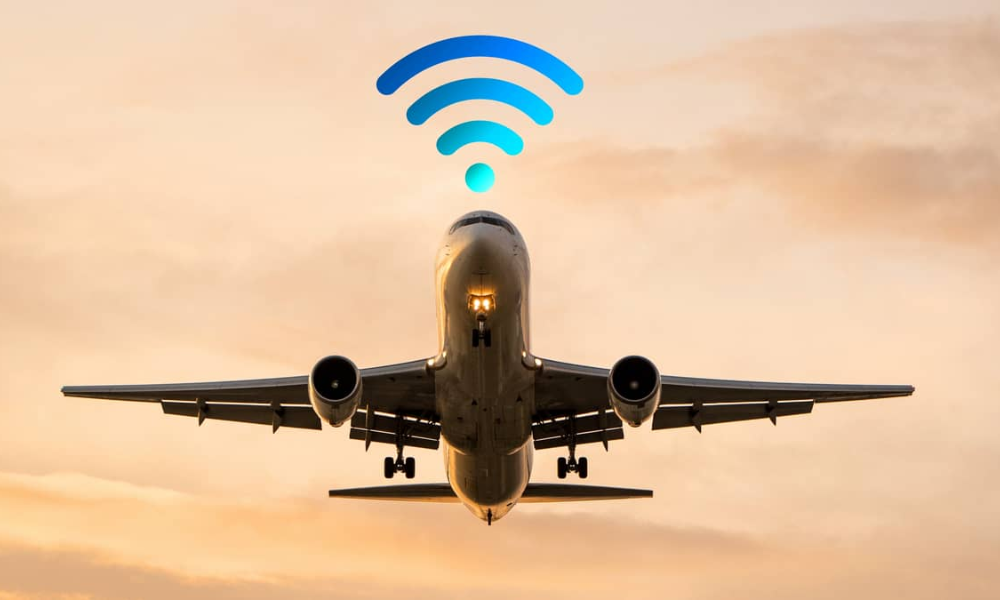
Air travel has evolved significantly over the past few decades, but internet connectivity during flights has remained limited. While some airlines provide onboard Wi-Fi, the speed and reliability often vary depending on location and satellite coverage.
Many passengers expect seamless connectivity during flights because they want to
work on laptops during long journeys
stay connected with family and colleagues
watch online entertainment
access emails and social media
conduct business meetings
As more people rely on digital services, airlines are under pressure to provide better and faster internet connections to passengers.
New satellite communication technology
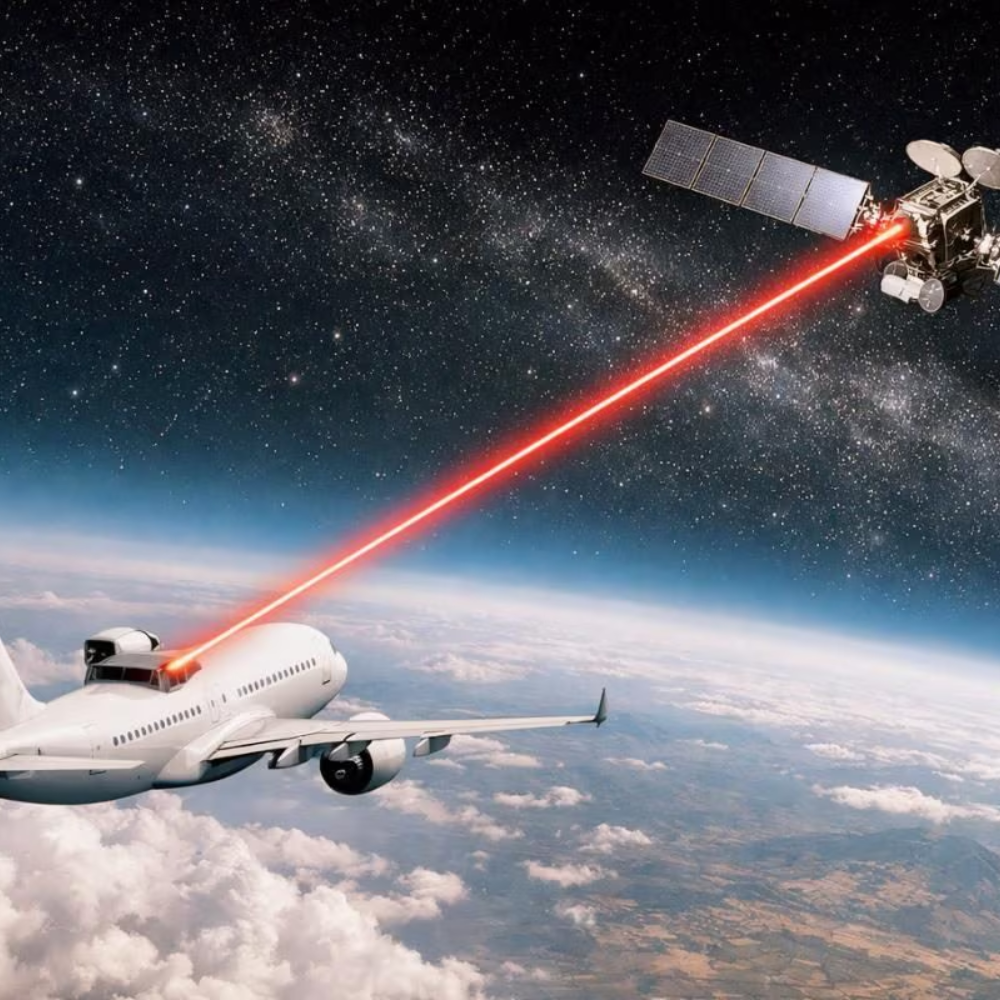
To address this challenge, scientists are exploring advanced satellite communication technologies. In the recent experiment, satellites located in space were used to transmit internet signals to airplanes flying at high altitudes.
The test involved
satellites positioned around 36,000 kilometers above the Earth
communication links between satellites and aircraft
advanced systems to maintain stable data connections
These satellites act as relay stations, receiving data from ground networks and transmitting it to aircraft flying in the sky.
Role of laser communication systems
One of the most important features of the experiment was the use of laser communication technology. Unlike traditional radio-frequency communication, laser systems can transfer data at much higher speeds.
Laser communication offers several advantages
higher data transmission speeds
lower signal interference
more secure communication channels
greater capacity for data transfer
Using this technology, the experiment achieved internet speeds of up to 2.6 gigabits per second during testing.
How the system works
The new system works by connecting airplanes with satellites using highly focused laser beams. These beams carry digital data between satellites and aircraft with extreme precision.
The process involves several steps
data from ground internet networks is transmitted to satellites
satellites relay the data to airplanes using laser communication
aircraft receive the signals through special onboard equipment
passengers connect to the onboard network through Wi-Fi
This system allows airplanes to remain connected to the global internet network even when flying over oceans or remote regions.
Benefits for airline passengers
If this technology is implemented commercially, it could significantly improve the travel experience for passengers.
Major benefits include
faster internet speeds during flights
smoother video streaming and online entertainment
reliable connectivity for business travelers
improved communication during long flights
better passenger satisfaction
With faster internet connections, passengers may be able to work, study, or relax more comfortably while traveling.
Advantages for airlines and aviation industry
The aviation industry could also benefit greatly from improved internet connectivity. Airlines can use high-speed communication systems to enhance operational efficiency and safety.
Possible advantages include the following:
real-time aircraft monitoring
faster communication between pilots and ground control
better navigation data and weather updates
improved onboard services for passengers
support for advanced aviation technologies
High-speed connectivity could become an important feature for airlines competing to provide the best passenger experience.
Challenges in implementing the technology
Although the experiment has shown promising results, there are still several challenges that need to be addressed before the technology becomes widely available.
Some of the challenges include
installing specialized equipment on aircraft
maintaining stable laser communication during flight
ensuring safety and reliability of the system
managing costs for airlines and service providers
developing global satellite networks
Scientists and engineers are working to overcome these challenges so that the technology can be implemented on commercial flights.
Potential impact on global connectivity
High-speed internet in airplanes could also have broader benefits beyond passenger convenience. Improved connectivity could help expand global communication networks and provide internet access in remote areas.
For example,
aircraft could help extend internet coverage in isolated regions
emergency communication systems could become more efficient
scientific research missions could benefit from better data transmission
global transportation systems could become more digitally connected
This technology could therefore play an important role in the future of global communication infrastructure.
Future developments in aviation connectivity
The successful experiment represents an important step toward transforming in-flight connectivity. Researchers are continuing to test and refine the technology to ensure that it works reliably in real-world conditions.
Future developments may include
more advanced satellite networks
faster data transfer speeds
improved laser communication systems
global coverage for airplanes
integration with next-generation aviation technologies
As these developments progress, passengers may soon experience a completely new level of digital connectivity while traveling by air.
Conclusion
The development of high-speed internet connectivity for airplanes represents a major advancement in aviation technology. By combining satellite communication with advanced laser systems, scientists have demonstrated the possibility of delivering fast and reliable internet connections to aircraft flying thousands of feet above the Earth.
This innovation could significantly enhance the travel experience for passengers while also improving operational efficiency for airlines. Although challenges remain in implementing the technology on a global scale, continued research and development are likely to bring this vision closer to reality.