
Export Delays Cause 20 Percent Drop in Gujarat Spices and Food Prices
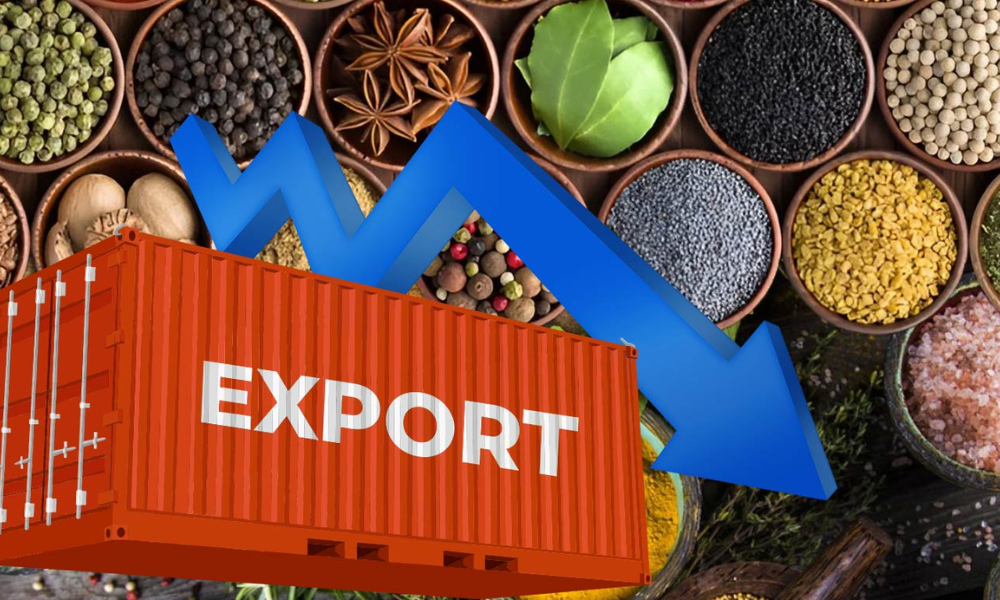
Gujarat, known for its strong agricultural and export-driven economy, is currently experiencing a notable shift in its market conditions. A recent slowdown in export activities has led to a decline of nearly 20 percent in the prices of spices and food commodities across the state. This situation has emerged due to a buildup of export containers at ports, resulting in increased supply in domestic markets and reduced prices.
The disruption in exports has affected multiple stakeholders, including farmers, traders, exporters, and consumers. While consumers may benefit from lower prices, the overall impact on the agricultural economy raises concerns about sustainability and income stability for producers.
Export Bottlenecks and Port Congestion
One of the primary reasons behind the price decline is the congestion at Gujarat’s major ports. Reports indicate that more than 3,000 containers have been delayed, preventing timely export of agricultural products to international markets.
These containers include key export items such as spices, oilseeds, and processed food products. The delay has been caused by global trade disruptions, logistical challenges, and increased inspection or regulatory processes in importing countries.
As a result, exporters have been unable to ship goods on time, leading to an accumulation of stock. This excess supply has been redirected to domestic markets, creating downward pressure on prices.
Price Drop in Key Commodities
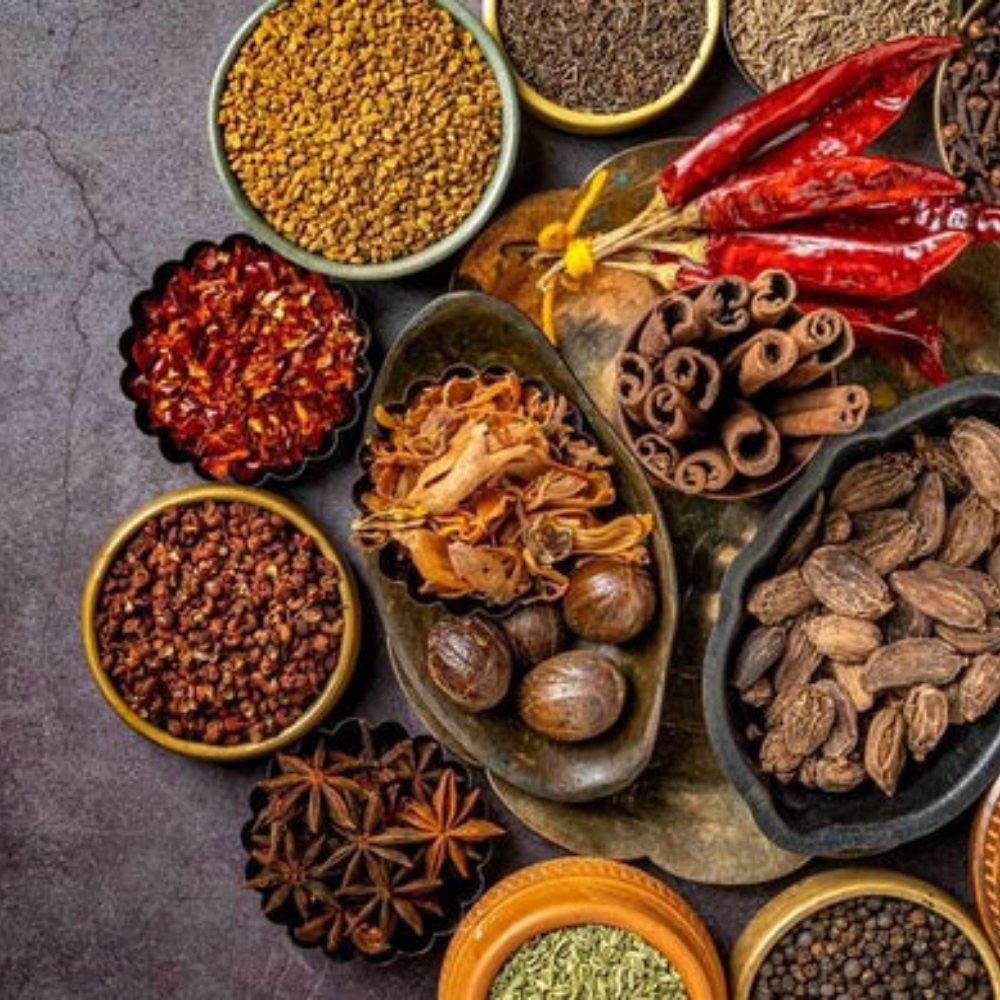
Several agricultural products have seen a noticeable reduction in prices due to increased availability. Spices, which are a major export product of Gujarat, have been particularly affected.
Some of the key commodities experiencing price drops include:
- Cumin seeds and cumin powder
- Coriander seeds and coriander powder
- Turmeric and turmeric powder
- Chili and chili powder
- Groundnut and oilseeds
The price decline in these commodities ranges between 15 and 30 percent in some cases, depending on the product and market demand. Wholesale markets have reported significant changes in pricing trends over a short period.
Impact on Farmers
Farmers are among the most vulnerable groups affected by this situation. Agricultural production requires substantial investment in terms of time, money, and resources. When prices fall unexpectedly, farmers struggle to recover their costs.
Key challenges faced by farmers include:
- Reduced income due to falling prices
- Difficulty in managing operational expenses
- Limited storage facilities for unsold produce
- Dependence on middlemen for market access
Farmers who were expecting better returns from exports are now forced to sell their produce at lower prices in local markets, impacting their financial stability.
Challenges for Traders and Exporters
Traders and exporters are also facing significant difficulties due to export disruptions. The delay in shipments leads to increased costs and potential losses.
Some of the major challenges include:
- High storage and warehousing costs
- Risk of spoilage or quality deterioration
- Loss of international clients and contracts
- Cash flow issues due to delayed payments
Exporters often operate on tight schedules and agreements. Any delay can result in penalties or cancellation of orders, further affecting their business operations.
Role of Global Factors
The slowdown in exports is largely influenced by global conditions. Factors such as geopolitical tensions, trade restrictions, and economic uncertainties in importing countries can significantly impact export activities.
Changes in demand patterns, currency fluctuations, and stricter quality regulations also contribute to export delays. These global challenges have a direct impact on local markets like Gujarat, which rely heavily on international trade.
Impact on Domestic Markets
While export disruptions create challenges for producers and traders, they also lead to certain advantages for domestic consumers. Increased supply in local markets results in lower prices, making food products more affordable.
Positive impacts on domestic markets include:
- Reduced prices of essential food items
- Increased availability of agricultural products
- Benefits for food processing industries
- Improved affordability for households
However, these benefits are often temporary and must be balanced with the long-term health of the agricultural sector.
Need for Government Intervention
To address the challenges posed by export disruptions, government intervention becomes essential. Authorities can take various measures to stabilize markets and support affected stakeholders.
Possible solutions include:
- Providing financial assistance or subsidies to farmers
- Improving port infrastructure and logistics systems
- Facilitating faster export clearance processes
- Expanding access to alternative export markets
- Promoting domestic consumption through awareness campaigns
Such measures can help reduce the negative impact of export slowdowns and ensure smoother functioning of the agricultural economy.
Long-Term Solutions and Strategies
The current situation highlights the need for long-term planning and resilience in the agricultural sector. Overdependence on exports can make markets vulnerable to global uncertainties.
Key strategies for the future include:
- Diversifying export destinations to reduce risk
- Strengthening domestic supply chains
- Investing in cold storage and warehousing facilities
- Encouraging value addition and food processing
- Promoting digital platforms for direct farmer-to-consumer sales
Adopting these strategies can help create a more balanced and sustainable agricultural system.
Conclusion
The recent decline in Gujarat’s food and spice prices due to export slowdowns underscores the interconnected nature of global trade and local markets. While consumers may benefit from lower prices in the short term, farmers and traders face significant financial challenges that require immediate attention.
A coordinated approach involving government support, improved infrastructure, and strategic planning is essential to address these issues effectively. By focusing on long-term resilience and diversification, Gujarat can strengthen its agricultural economy and better withstand future disruptions.