
Devotees Rejoice: Kedarnath & Badrinath Opening Soon
As the icy grip of winter begins to fade from the towering Himalayas, a spiritual awakening stirs across India. The much-awaited reopening of Kedarnath Temple and Badrinath Temple marks the beginning of a sacred season filled with devotion, faith, and hope. For millions of devotees, this is not just the opening of temple doors—it is the reopening of a divine connection that transcends time, distance, and hardship.
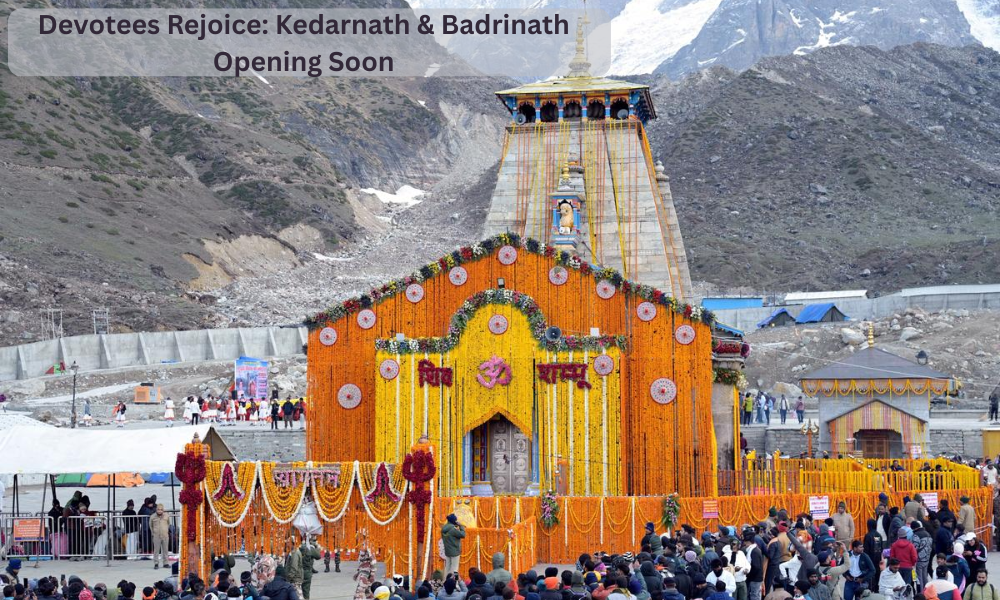
Devotees across India are filled with excitement as the sacred temples of Kedarnath Temple and Badrinath Temple prepare to open their doors for the annual pilgrimage season. Nestled in the majestic Himalayas, these holy shrines hold immense spiritual significance in Hinduism and are part of the revered Char Dham Yatra.
Every year, thousands of pilgrims undertake this divine journey seeking blessings, peace, and spiritual fulfillment. The opening of the temples marks the beginning of a vibrant and sacred season, bringing life back to the serene mountain regions of Uttarakhand. Preparations by local authorities, temple committees, and the government ensure safety, improved infrastructure, and smooth travel arrangements for devotees.
Pilgrims eagerly await the darshan after months of winter closure, when the temples remain inaccessible due to heavy snowfall. The reopening symbolizes hope, faith, and devotion, drawing visitors from across the country and beyond. With improved connectivity, medical facilities, and accommodation services, this year’s yatra is expected to witness a large turnout.
As chants and prayers fill the air, the spiritual energy of Kedarnath and Badrinath creates a deeply enriching experience for every devotee embarking on this sacred journey.Religious Significance
Religious Significance
- Kedarnath Temple, dedicated to Lord Shiva, is one of the twelve Jyotirlingas, making it one of the holiest shrines for Shiva devotees. Its remote location and challenging terrain symbolize the deep devotion required to reach the divine.
- Badrinath Temple is devoted to Lord Vishnu in his form as Badrinarayan. It is one of the most important Vishnu temples and attracts pilgrims from across the globe.
- Both temples represent a balance of spiritual energies—Shiva and Vishnu—making the pilgrimage deeply meaningful.

Reopening Rituals and Traditions
- The temples typically reopen between April and May, depending on auspicious dates determined by priests.
- Elaborate rituals are performed to purify the temples after months of closure.
- Idols are ceremoniously brought back from their winter abodes amid chants and celebrations.
- Devotees gather in large numbers to witness the first darshan, which is considered especially sacred.
- The reopening is marked by festive energy, traditional music, and spiritual fervor.
Pilgrimage Journey Experience
- The journey to Kedarnath involves a 16–18 km trek from Gaurikund, testing both physical endurance and spiritual commitment.
- Badrinath, on the other hand, is accessible by road, making it easier for elderly and differently abled devotees.
- The breathtaking views of snow-covered peaks, rivers, and valleys create a deeply meditative atmosphere.
- Many pilgrims describe the journey as a life-changing experience, offering clarity, peace, and spiritual awakening.
Economic and Cultural Importance
- The reopening season brings a major boost to the local economy.
- Small businesses such as hotels, food stalls, and transport services thrive during the pilgrimage months.
- It provides employment opportunities for locals in remote Himalayan regions.
- Cultural traditions, rituals, and local customs are preserved and celebrated through the influx of pilgrims.
Challenges Faced by Pilgrims
- High altitude can lead to breathing difficulties and altitude sickness.
- Weather conditions are unpredictable, with sudden rainfall or snowfall.
- The trek to Kedarnath can be physically demanding, especially for first-time visitors.
- Proper planning, fitness, and medical precautions are essential for a safe journey.
Government and Safety Measures
- Authorities have improved roads, trekking paths, and transportation facilities.
- Medical camps and emergency services are available along the routes.
- Registration systems have been introduced to manage crowd flow.
- Security and disaster management systems have been strengthened for pilgrim safety.
Environmental Awareness
- The Himalayan ecosystem is delicate and requires protection.
- Pilgrims are encouraged to:
- Avoid plastic and non-biodegradable waste
- Maintain cleanliness during the journey
- Respect nature and local traditions
- Sustainable tourism ensures that these sacred places remain preserved for future generations.
Emotional and Spiritual Connection
- The reopening holds deep emotional value for devotees who wait all year for this moment.
- Many undertake the journey to fulfill vows, seek blessings, or express gratitude.
- The collective faith and devotion create a powerful spiritual atmosphere.
- The शांत (peaceful) surroundings of the Himalayas help individuals reconnect with themselves and the divine.
Why This Pilgrimage Matters Today
- In today’s fast-paced world, the yatra offers a chance to pause and reflect.
- It provides an escape from daily stress and digital distractions.
- The journey promotes mental clarity, emotional healing, and spiritual growth.
- It reminds people of the importance of faith, resilience, and simplicity.
Tips for Pilgrims
- Plan your trip in advance and check official opening dates.
- Carry warm clothing, medicines, and essential supplies.
- Stay hydrated and take breaks during the trek.
- Follow safety guidelines and respect local authorities.
- Travel responsibly and avoid harming the environment.
Conclusion
The reopening of Kedarnath Temple and Badrinath Temple is not merely a seasonal occurrence—it is a celebration of unwavering faith, devotion, and the timeless bond between humanity and the divine. As the temple bells echo once again through the Himalayan valleys, they invite devotees to embark on a journey that is both physical and spiritual.
For some, it is a quest for blessings; for others, it is a path to inner peace. But for all, it is an experience that leaves a lasting imprint on the soul. As devotees rejoice and prepare for this sacred pilgrimage, one truth stands clear—the doors to the divine are open, and the Himalayas are calling once again.