
Cooking Goes Green: Indian Startup Launches Hydrogen-Powered Kitchen Unit
In a major step toward sustainable living and clean energy adoption, an Indian startup has introduced an innovative hydrogen-powered kitchen unit that promises to revolutionize the way households cook. As the world increasingly shifts toward eco-friendly solutions, this breakthrough technology could mark a turning point in reducing carbon emissions from everyday activities like cooking—an essential yet often overlooked contributor to environmental pollution.
A New Era of Clean Cooking
Traditional cooking methods in India largely depend on liquefied petroleum gas (LPG), firewood, or electricity. While LPG is widely used in urban homes, it still contributes to greenhouse gas emissions. On the other hand, rural areas often rely on firewood or biomass, which not only harms the environment but also poses serious health risks due to indoor air pollution.
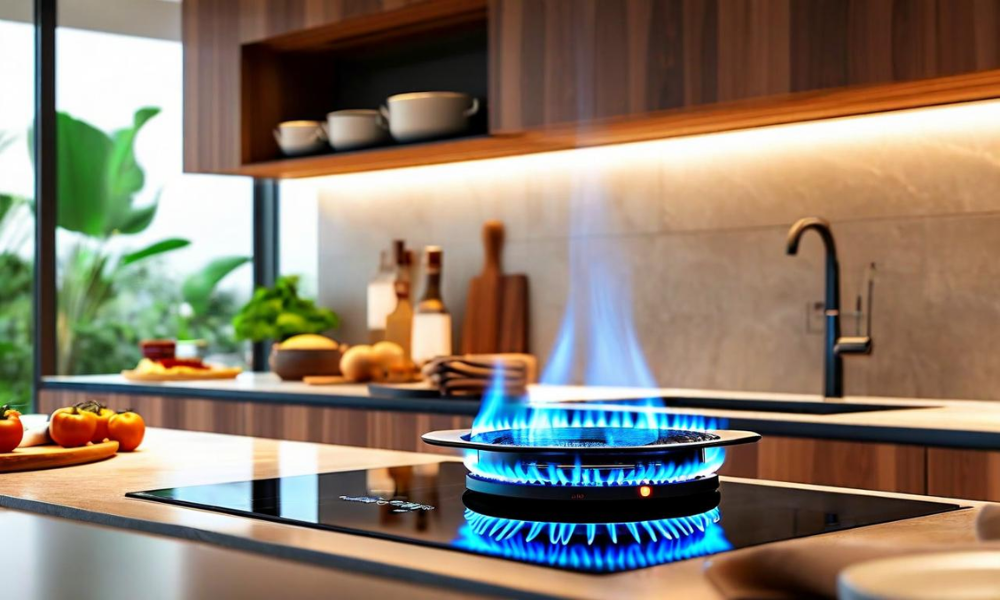
The introduction of hydrogen-powered cooking units offers a cleaner, safer, and more sustainable alternative. Hydrogen, as a fuel, produces only water vapor when burned, making it one of the most environmentally friendly energy sources available today. This aligns perfectly with global efforts to combat climate change and reduce dependence on fossil fuels.
How the Hydrogen Kitchen Unit Works
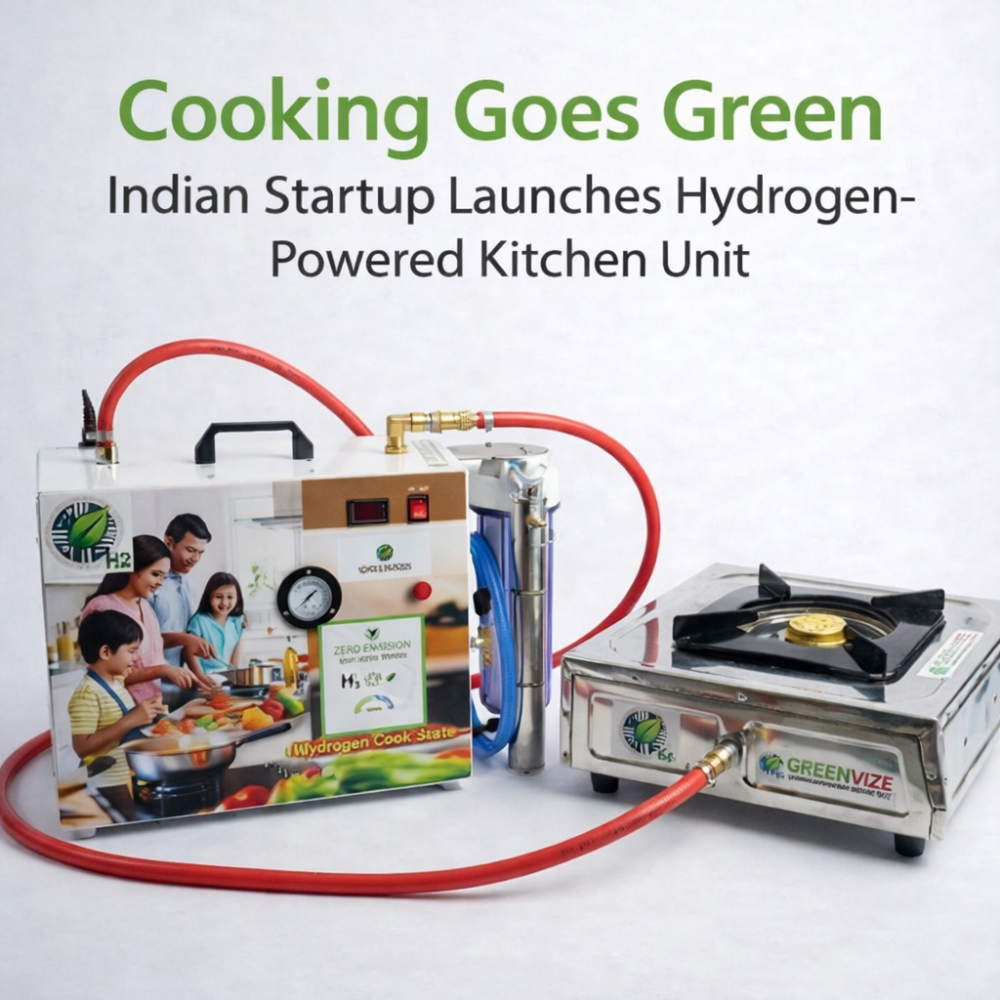
The plug-and-play hydrogen cooking system is designed for ease of use, making it accessible for both urban and rural households. The unit typically includes a hydrogen storage cylinder, a burner specifically designed for hydrogen combustion, and safety mechanisms to ensure secure operation.
Hydrogen fuel can be generated through processes like electrolysis, where water is split into hydrogen and oxygen using electricity—ideally sourced from renewable energy such as solar or wind. This makes the entire cooking process not just clean at the point of use, but also sustainable from production to consumption.
The startup has focused on making the system compact and user-friendly, ensuring that it can be easily installed in existing kitchens without major modifications. The flame produced by hydrogen is efficient and capable of delivering the high heat required for traditional Indian cooking methods, including frying, boiling, and pressure cooking.
Environmental Benefits
One of the most significant advantages of hydrogen-powered cooking is its zero-carbon emission at the point of use. Unlike LPG or biomass, hydrogen combustion does not release harmful gases like carbon dioxide or carbon monoxide. This makes it an ideal solution for reducing household carbon footprints.
Additionally, widespread adoption of such technology could significantly contribute to national and global climate goals. India, being one of the fastest-growing economies, faces increasing energy demands. Transitioning to clean energy solutions like hydrogen can help meet these demands while minimizing environmental impact.
Health and Safety Advantages
Indoor air pollution is a serious issue in many parts of India, particularly in rural areas where traditional cooking methods are still prevalent. Smoke from firewood and other biomass fuels can lead to respiratory diseases, eye irritation, and other health problems.
Hydrogen-powered cooking eliminates these risks by producing a clean flame without smoke or toxic emissions. This can lead to improved indoor air quality and better health outcomes, especially for women and children who spend more time in the kitchen.
Moreover, the new units are equipped with advanced safety features, including leak detection systems and automatic shut-off mechanisms. These features are crucial in building trust among users and ensuring safe adoption of the technology.
Economic and Practical Considerations
While the concept of hydrogen cooking is promising, cost and infrastructure remain key challenges. Currently, hydrogen production and storage can be expensive compared to conventional fuels. However, as technology advances and production scales up, costs are expected to decrease.
The Indian government has already shown strong interest in promoting hydrogen as part of its clean energy strategy. Initiatives like the National Hydrogen Mission aim to boost hydrogen production and usage across various sectors, including transportation and industry. The introduction of hydrogen-powered kitchen units fits well within this broader vision.
For consumers, the long-term benefits—such as reduced fuel costs, improved health, and environmental sustainability—could outweigh the initial investment. Additionally, subsidies or incentives from the government could further accelerate adoption.
Challenges Ahead
Despite its potential, the widespread adoption of hydrogen cooking technology faces several hurdles. Infrastructure for hydrogen production, storage, and distribution is still in its early stages in India. Ensuring a reliable and affordable supply of hydrogen will be critical for the success of this innovation.
Public awareness and acceptance are also important factors. Many consumers may be hesitant to switch to a new and unfamiliar technology. Educating users about the benefits, safety, and usability of hydrogen-powered systems will be essential.
Another challenge is ensuring that hydrogen production itself is sustainable. If hydrogen is produced using fossil fuels, the environmental benefits could be compromised. Therefore, a strong emphasis on green hydrogen—produced using renewable energy—is necessary.
The Road Ahead
The launch of hydrogen-powered kitchen units represents a significant milestone in India’s journey toward sustainable living. It showcases how innovation and technology can address everyday challenges while contributing to larger environmental goals.
As research and development continue, and as infrastructure improves, hydrogen cooking could become a mainstream solution in the coming years. The startup behind this innovation has not only introduced a new product but has also sparked a conversation about the future of cooking and energy use.
Conclusion
“Cooking Goes Green” is no longer just a concept—it is becoming a reality. The introduction of hydrogen-powered kitchen units by an Indian startup highlights the immense potential of clean energy in transforming daily life. By combining environmental responsibility with practical usability, this innovation offers a glimpse into a future where sustainability is seamlessly integrated into our homes.
If successfully scaled and supported, hydrogen cooking could play a vital role in reducing emissions, improving public health, and promoting energy independence. As India continues to embrace green technologies, such initiatives will be key in shaping a cleaner, healthier, and more sustainable future for all.