Cheaper Than LPG: Anand’s Bio-CNG Model Powers 100 Villages in Gujarat
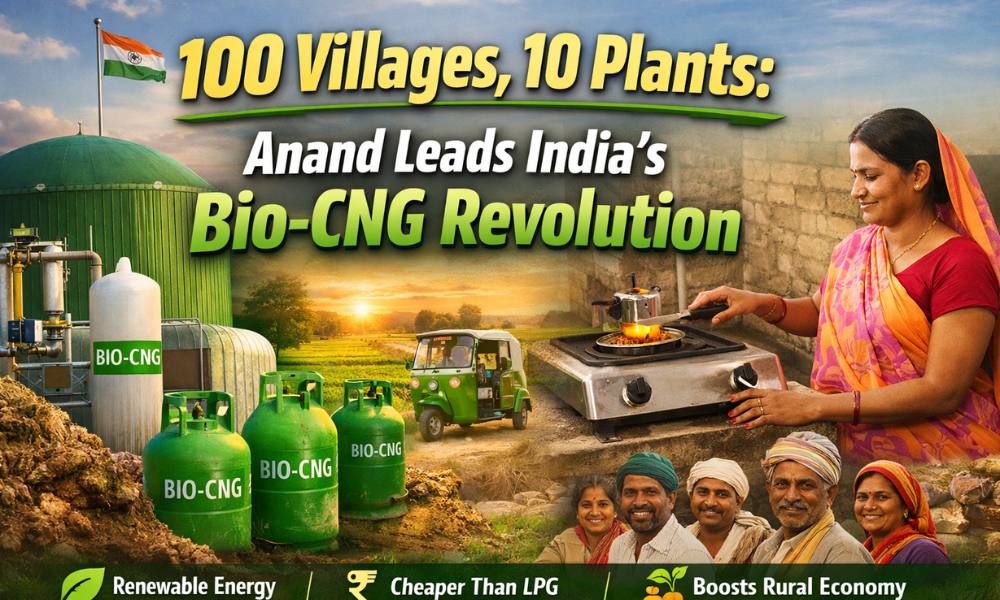
In a major step toward sustainable energy and rural empowerment, the district of Anand is set to become a model for clean fuel innovation with the launch of the Bio-CNG Cluster Project. Covering 100 villages and 10 bio-CNG plants, this ambitious initiative aims to provide a cost-effective and eco-friendly alternative to LPG, while simultaneously addressing waste management and boosting rural incomes.
What is the Bio-CNG Cluster Project?
The Bio-CNG Cluster Project involves setting up 10 decentralized biogas plants that will process organic waste from nearby villages. These plants will convert agricultural residue, cattle dung, and food waste into Compressed Biogas (CBG), a clean and renewable fuel.
Key Components:
- Coverage: 100 villages
- Infrastructure: 10 Bio-CNG plants
- Feedstock: Cow dung, crop residue, organic waste
- Output: Bio-CNG gas for cooking and transportation
This cluster-based model ensures efficient collection of raw materials and distribution of gas, reducing logistics costs and maximizing output.
Cheaper Alternative to LPG
One of the biggest advantages of Bio-CNG is its affordability. With rising LPG prices impacting household budgets, especially in rural areas, Bio-CNG offers a significantly cheaper option.
Cost Benefits:
- Lower production cost due to local raw materials
- Reduced transportation expenses
- Stable pricing compared to fluctuating LPG rates
For rural households, this means accessible and reliable cooking fuel, reducing dependency on subsidized LPG cylinders.
Environmental Impact
The project is not just about energy—it’s a major step toward environmental sustainability.
Key Environmental Benefits:
- Reduction in greenhouse gas emissions
- Proper management of organic waste
- Decrease in open burning of crop residue
- Cleaner air in rural areas
By converting waste into energy, the project supports the principles of a circular economy, where nothing goes to waste.
Boost to Rural Economy
The Anand Bio-CNG cluster is expected to generate significant economic opportunities for local communities.
Economic Advantages:
- Additional income for farmers supplying dung and crop waste
- Employment opportunities in plant operations and logistics
- Growth of local micro-enterprises
Farmers, who are often burdened by waste disposal issues, can now monetize their agricultural by-products, creating a win-win situation.
Technology & Innovation
The success of the project lies in its use of modern technology combined with traditional resources.
Technological Features:
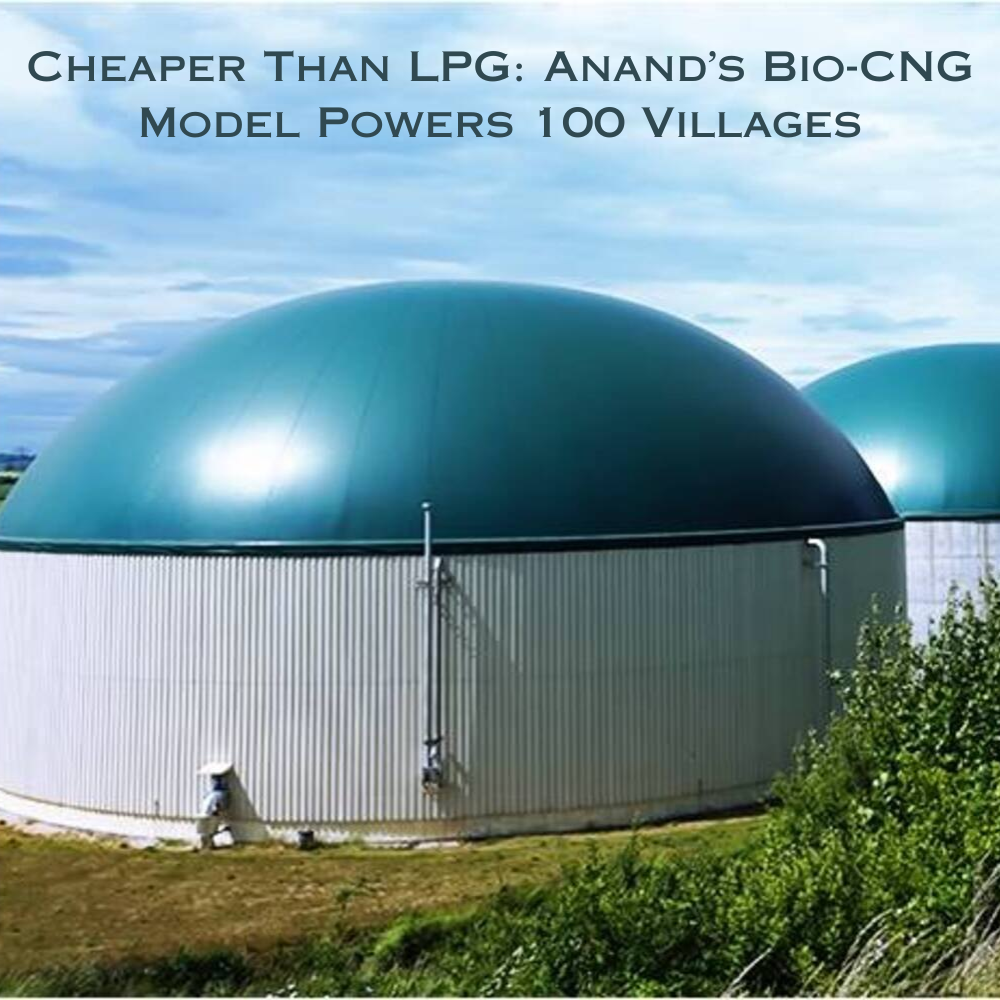
- Advanced anaerobic digestion systems
- Gas purification and compression units
- Efficient waste collection and processing mechanisms
These innovations ensure high efficiency, safety, and scalability, making the model viable for replication in other districts.
Government & Policy Support
The project aligns with several national initiatives aimed at promoting clean energy and rural development, including:
- Sustainable Alternative Towards Affordable Transportation (SATAT) scheme
- Swachh Bharat Mission (waste management)
- Renewable energy targets under national policy
Government support in the form of subsidies, technical assistance, and policy backing plays a crucial role in making such projects successful.
Challenges & Considerations
While the project holds immense promise, there are challenges that need to be addressed:
Potential Challenges:
- Initial capital investment for plant setup
- Efficient waste collection from all villages
- Awareness and adoption among rural households
- Maintenance and operational efficiency
Addressing these challenges through proper planning and community participation will be key to long-term success.
Impact on India’s Energy Future
The Anand Bio-CNG cluster represents a shift toward decentralized energy systems. Instead of relying solely on centralized fuel distribution, local production ensures:
- Energy security
- Reduced import dependency
- Sustainable rural development
If replicated nationwide, such clusters could significantly reduce India’s reliance on fossil fuels and contribute to climate goals.
Conclusion
The “100 Villages, 10 Plants” Bio-CNG Cluster in Anand is more than just an energy project—it is a transformative initiative that combines sustainability, affordability, and rural empowerment. By turning waste into a valuable resource, it addresses multiple challenges at once: energy access, environmental protection, and economic growth.
As India moves toward a greener future, initiatives like this demonstrate that innovation at the grassroots level can drive large-scale change. If successfully implemented and scaled, the Anand model could redefine how rural India powers its homes and livelihoods, making clean energy not just an aspiration but a reality for millions.