




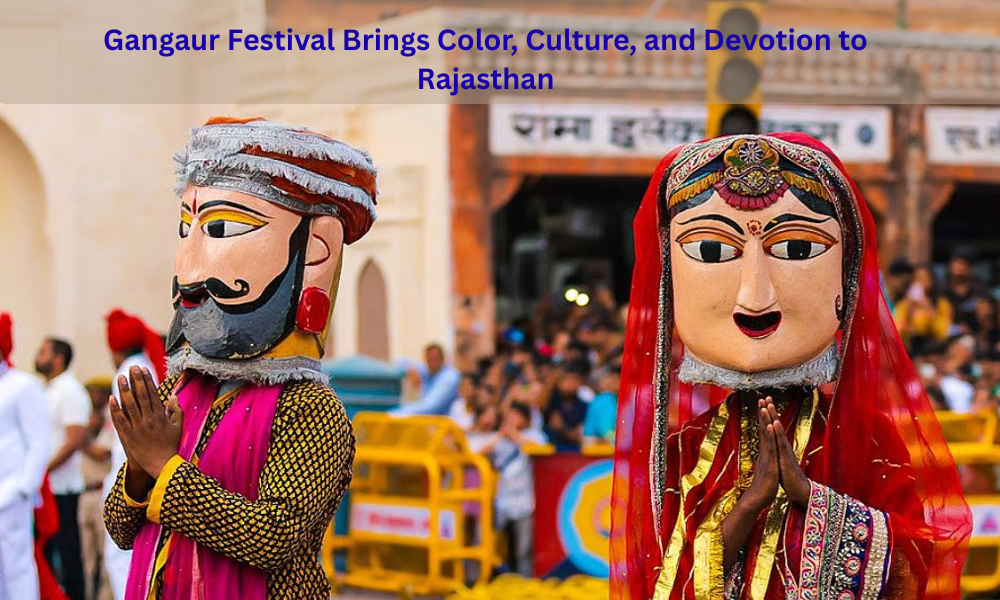
Gangaur Festival Brings Color, Culture, and Devotion to Rajasthan
The vibrant state of Rajasthan once again comes alive with colors, music, and devotion as the grand festival of Gangaur Festival is celebrated with immense enthusiasm. Marking the arrival of spring and symbolizing marital bliss, prosperity, and devotion, Gangaur is one of the most cherished festivals in Rajasthan, especially among women.
Celebrated in honor of Goddess Gauri, the consort of Lord Shiva, this festival reflects deep-rooted traditions and cultural richness. From intricately decorated idols to lively street processions, Gangaur showcases the essence of Rajasthani heritage in its full glory.
Significance of Gangaur Festival
- Gangaur is dedicated to Goddess Gauri, symbolizing love, fertility, and marital happiness.
- Married women pray for the well-being and longevity of their husbands.
- Unmarried girls observe rituals seeking a good life partner.
- The festival reflects the deep devotion and faith of women in Rajasthan.
- It also marks the transition from winter to spring, celebrating the agricultural cycle and new beginnings.
Celebrations Across Rajasthan
- Cities like Jaipur, Udaipur, and Jodhpur host grand processions and cultural events.
- Idols of Gauri are beautifully decorated and carried through the streets.
- Traditional folk songs and dances fill the air with joy and festivity.
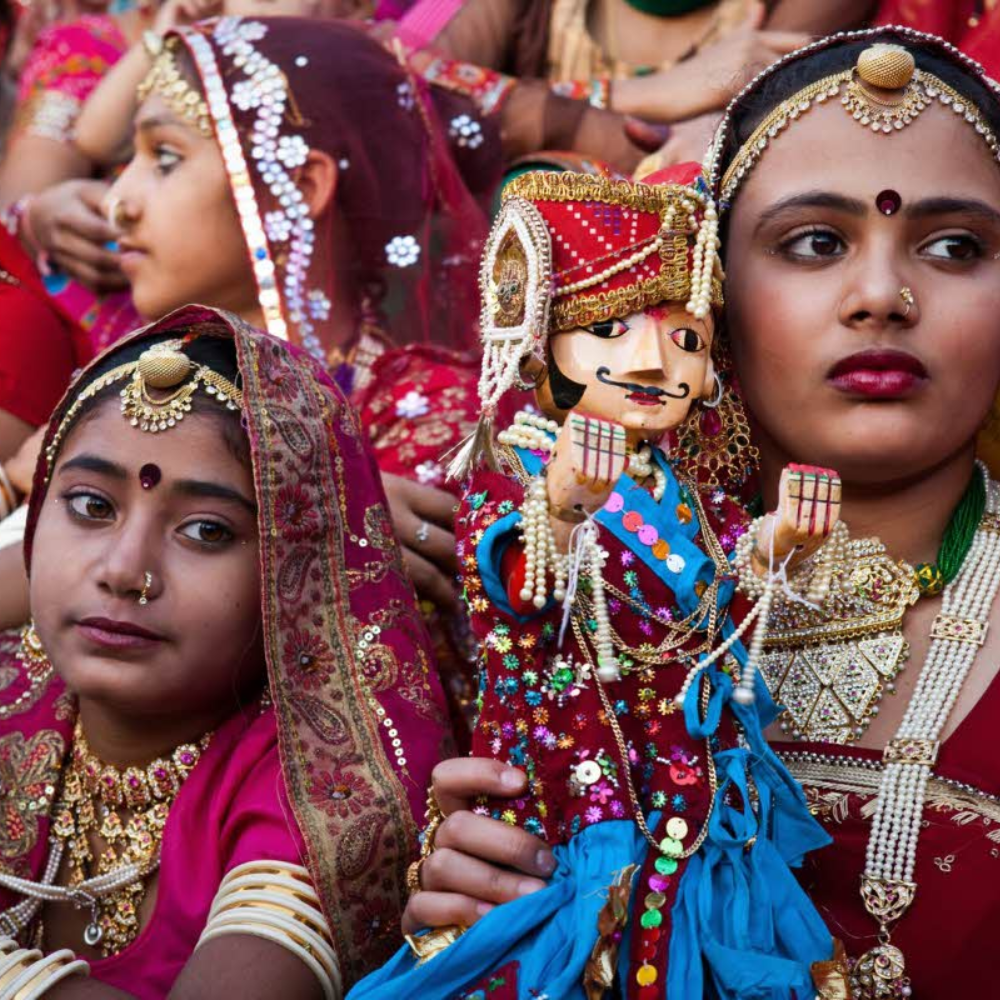
- Women dress in colorful attire, wearing traditional jewelry and applying mehndi.
- Local temples organize special prayers, bhajans, and community gatherings to honor the goddess.
Cultural Highlights
- Folk performances including dance and music showcase Rajasthan’s heritage.
- Men often participate in colorful costumes and body paint, adding vibrancy to the celebrations.
- Streets are decorated with flowers, lights, and traditional art.
- Local artisans display handicrafts, attracting tourists and boosting the local economy.
- Puppet shows, storytelling sessions, and traditional theater (Ramlila) sometimes complement the celebrations.
Rituals and Traditions
- Women observe fasts and perform daily prayers during the festival period.
- Clay idols of Gauri and Shiva are worshipped with devotion.
- Processions conclude with the immersion of idols in water bodies.
- Families gather to celebrate, strengthening social and cultural bonds.
- Newlyweds often participate in special rituals to invoke blessings for prosperity and harmony in married life.
Economic and Tourism Impact
- Gangaur attracts tourists from across India and abroad.
- Local markets witness a surge in demand for traditional clothes, jewelry, and handicrafts.
- It provides livelihood opportunities for artisans, performers, and vendors.
- The festival promotes Rajasthan’s cultural tourism globally.
- Hotels, travel agencies, and cultural event organizers experience significant seasonal growth.
Preserving Tradition in Modern Times
- Efforts are being made to celebrate Gangaur in an eco-friendly manner.
- Use of natural colors and biodegradable materials is encouraged.
- Younger generations are actively participating, keeping traditions alive.
- Cultural programs and awareness campaigns highlight the importance of heritage conservation.
- Schools and colleges organize competitions and workshops on Gangaur art, music, and rituals to educate youth.
Emotional and Social Importance
- Gangaur is not just a festival but a celebration of relationships and devotion.
- It strengthens the bond between families and communities.
- Women find a sense of unity and shared spirituality.
- The festival brings joy, hope, and positivity into people’s lives.
- It encourages community service, as groups often arrange charitable events during the festival.
Traditional Art & Decorations
- Homes are decorated with rangoli and wall art (Mandana) unique to Rajasthan.
- Idols of Gauri are adorned with intricate clothes, jewelry, and flowers.
- Women carry beautifully decorated pots (ghadas) on their heads during processions.
- Streets and marketplaces are painted with murals depicting local legends and folklore.
Traditional Attire & Beauty Rituals
- Women wear vibrant ghagra-choli and odhani, reflecting Rajasthani culture.
- Special emphasis is given to solah shringar (16 traditional adornments).
- Application of mehndi (henna) is an important pre-festival ritual.
- Jewelry like bangles, anklets, and necklaces play a key role in showcasing regional craftsmanship.
Music and Folk Traditions
- Traditional Gangaur songs are sung in praise of Gauri and Lord Shiva.
- Instruments like dhol, nagada, and shehnai add rhythm to the celebrations.
- Folk dances such as Ghoomar enhance the festive atmosphere.
- Bhajan groups and local music bands often travel between villages, spreading festive cheer.
Royal Celebrations
- In cities like Jaipur and Udaipur, royal families historically participated in Gangaur processions.
- Decorated elephants, camels, and chariots are part of grand parades.
- These royal traditions still influence modern-day celebrations.
- Some palaces organize exclusive cultural exhibitions and heritage walks during Gangaur.
Festive Food
- Special Rajasthani dishes are prepared during the festival.
- Sweets like ghewar, gujiya, and malpua are widely enjoyed.
- Families come together to share meals, enhancing the festive spirit.
- Traditional beverages like chaach and thandai are also part of the celebratory menu.
Community Engagement
- Local NGOs and women’s groups organize workshops on handicrafts, sustainable practices, and women empowerment during Gangaur.
- Cultural fairs are often organized alongside the festival, promoting local entrepreneurship.
- Storytelling and folk tales are shared across generations, preserving oral heritage.
- Volunteer initiatives encourage eco-friendly celebrations and cleanliness drives.
Conclusion
The grand celebration of the Gangaur Festival in Rajasthan is a beautiful reflection of India’s rich cultural diversity and deep spiritual roots. With its colorful processions, heartfelt rituals, and vibrant traditions, Gangaur continues to captivate both devotees and visitors alike.
As the streets echo with songs and celebrations, the festival serves as a reminder of timeless values—love, devotion, and harmony. In a rapidly changing world, Gangaur stands as a symbol of cultural pride and continuity, bringing people together in a joyful celebration of life and faith. Its combination of spiritual devotion, cultural vibrancy, and social unity ensures that Gangaur remains a living, thriving tradition for generations to come.