World Poetry Day: Celebrating Maharshi Valmiki, the First Poet of the Ramayana
Every year, World Poetry Day is celebrated on March 21 to honor the beauty, power, and cultural significance of poetry across the globe. It is a day dedicated not only to poets and their works but also to the timeless influence of poetic expression in shaping societies, values, and human emotions. In the rich literary heritage of India, one name stands out as the pioneer of poetic tradition—Maharshi Valmiki, revered as the Adi Kavi, or the first poet. His monumental work, the Ramayana, is not just a religious scripture but a masterpiece of poetic excellence that continues to inspire generations.
The Origin of Poetry Through Valmiki
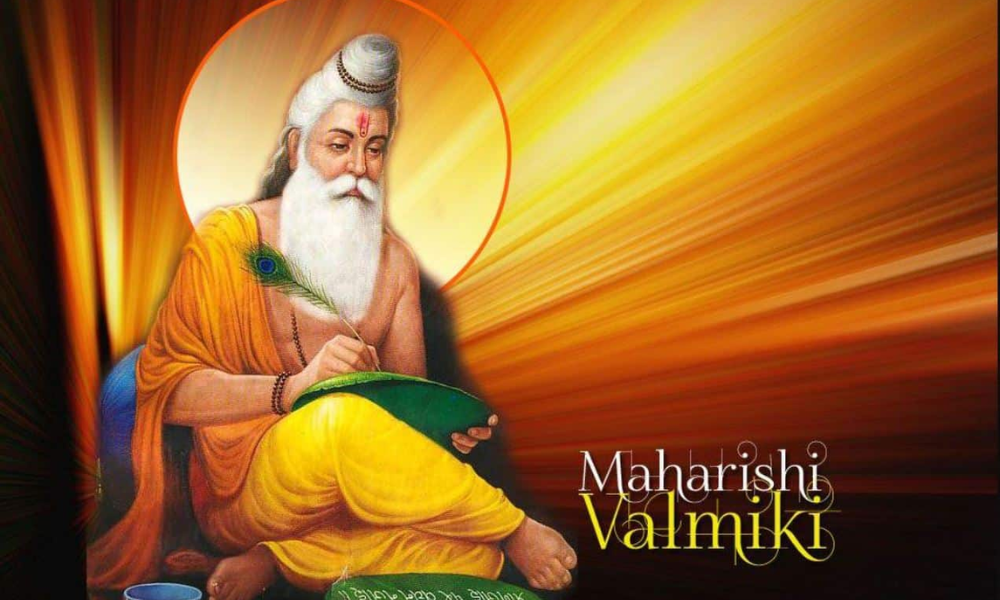
Maharshi Valmiki holds a unique and sacred place in Indian literature. According to tradition, he was the first to compose a shloka (verse) in Sanskrit, marking the birth of classical poetry. The story behind this is both emotional and symbolic. It is said that Valmiki once witnessed a hunter killing a bird, leaving its mate in deep sorrow. Moved by compassion, he spontaneously uttered a curse in a rhythmic form. This expression of grief transformed into the first poetic verse, setting the foundation for poetic expression in India.
This moment was not merely an emotional outburst; it marked the beginning of structured literature. Valmiki’s ability to transform human emotion into rhythmic language reflects the true essence of poetry—capturing feelings in a way that resonates deeply with others.
The Ramayana: A Timeless Epic
The Ramayana, composed by Maharshi Valmiki, is one of the greatest epics in world literature. Written in Sanskrit, it consists of around 24,000 verses and narrates the life and journey of Lord Rama, symbolizing truth, duty, and righteousness. But beyond its spiritual and moral teachings, the Ramayana is a poetic marvel.
Valmiki’s storytelling is rich in imagery, emotion, and philosophical depth. His verses beautifully describe nature, human relationships, and moral dilemmas. The characters are not just divine figures; they are deeply human, with emotions, struggles, and growth. This makes the Ramayana relatable even in modern times.
Through poetic narration, Valmiki brings to life the love between Rama and Sita, the devotion of Lakshmana, the loyalty of Hanuman, and the complexities of Ravana. Each character is crafted with such detail that readers can connect with them on a personal level. This is the true power of poetry—it transcends time and space.
Valmiki as the Adi Kavi
Being called the Adi Kavi is not just a title; it signifies Valmiki’s role as the originator of poetic tradition in India. His work laid the foundation for future poets and literary traditions. The structure, style, and emotional depth seen in his poetry influenced countless writers and poets over centuries.
Valmiki’s contribution goes beyond literature. He used poetry as a medium to convey ethical values and life lessons. Themes such as truth, justice, sacrifice, and devotion are woven seamlessly into his verses. This combination of art and philosophy is what makes his work eternal.
The Significance of World Poetry Day
World Poetry Day, established by UNESCO, aims to promote the reading, writing, publishing, and teaching of poetry. It encourages the recognition of poetry as a vital form of cultural expression and identity. On this day, people across the world celebrate poets, organize readings, and explore the richness of poetic traditions.
In this global celebration, remembering Maharshi Valmiki becomes even more meaningful. He represents the roots of poetic expression in one of the world’s oldest civilizations. His work reminds us that poetry is not just about words—it is about emotion, truth, and connection.
Poetry as a Reflection of Society
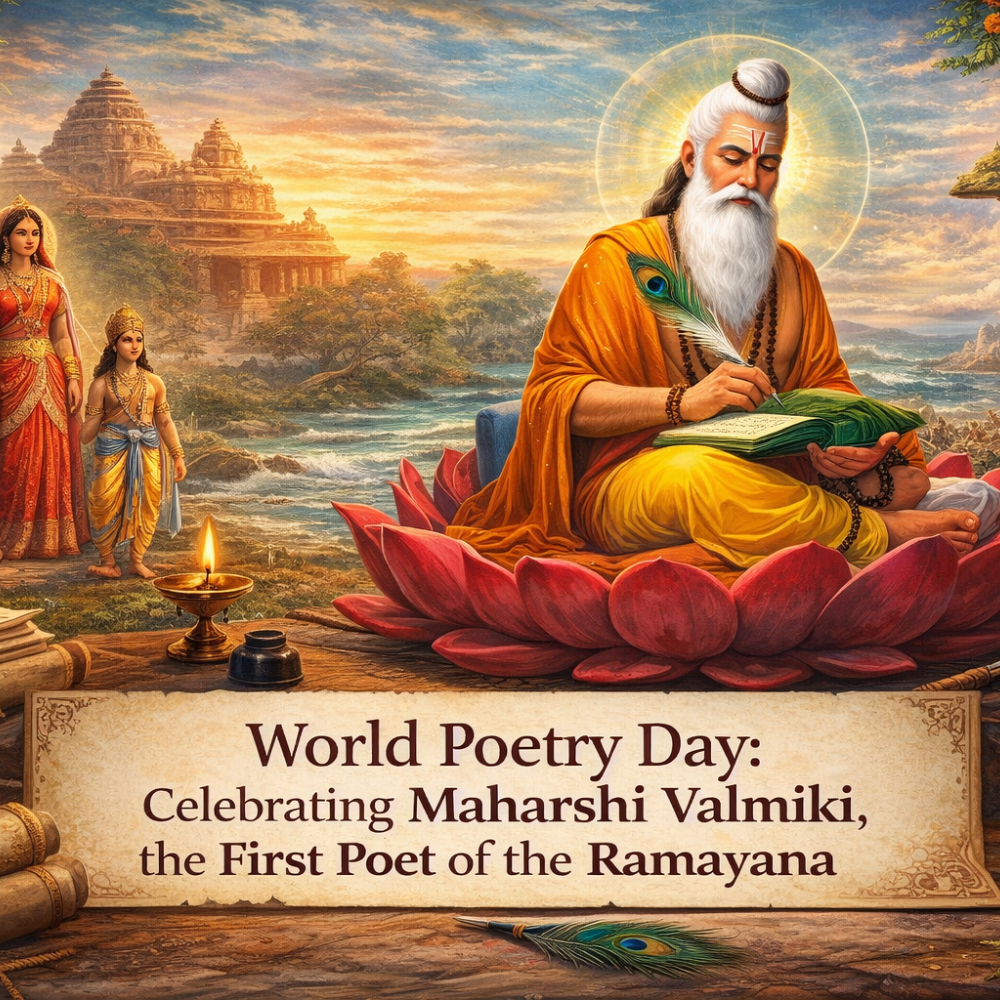
Poetry has always played a crucial role in reflecting society and shaping thought. From ancient times to modern days, poets have used their words to express love, protest injustice, and inspire change. Valmiki’s Ramayana is a perfect example of how poetry can influence culture and values.
The epic has been adapted into various languages, art forms, and performances across India and beyond. From classical dance and theatre to modern television and films, the Ramayana continues to live on. This widespread influence highlights the enduring power of poetic storytelling.
Lessons from Valmiki’s Poetry
One of the greatest lessons we learn from Maharshi Valmiki is the transformative power of change. According to legend, Valmiki himself was once a bandit before he became a sage. His journey from darkness to enlightenment is a powerful reminder that anyone can change and contribute positively to society.
His poetry teaches us empathy, righteousness, and the importance of duty. It encourages us to reflect on our actions and strive for a higher purpose. These lessons are as relevant today as they were thousands of years ago.
Relevance in the Modern World
In today’s fast-paced digital age, poetry may seem less prominent, but its importance remains unchanged. In fact, poetry has found new platforms through social media, spoken word performances, and digital publications. The essence of poetry—expressing emotions and ideas—continues to thrive.
Valmiki’s work serves as a reminder of the depth and richness that poetry can offer. It encourages modern writers to explore meaningful themes and create works that leave a lasting impact.
Conclusion
World Poetry Day is not just a celebration of poetic art; it is a tribute to the voices that have shaped human thought and culture. Among these voices, Maharshi Valmiki stands as a timeless figure whose contribution to literature is unparalleled.
His creation, the Ramayana, is more than an epic—it is a poetic journey that continues to inspire, teach, and connect people across generations. As we celebrate World Poetry Day, let us honor the legacy of the Adi Kavi and recognize the enduring power of poetry in our lives.
Through his words, Valmiki reminds us that poetry is not just written—it is felt, lived, and remembered forever.