




Celebrating the Festival of Eid in the Holy City of Mecca
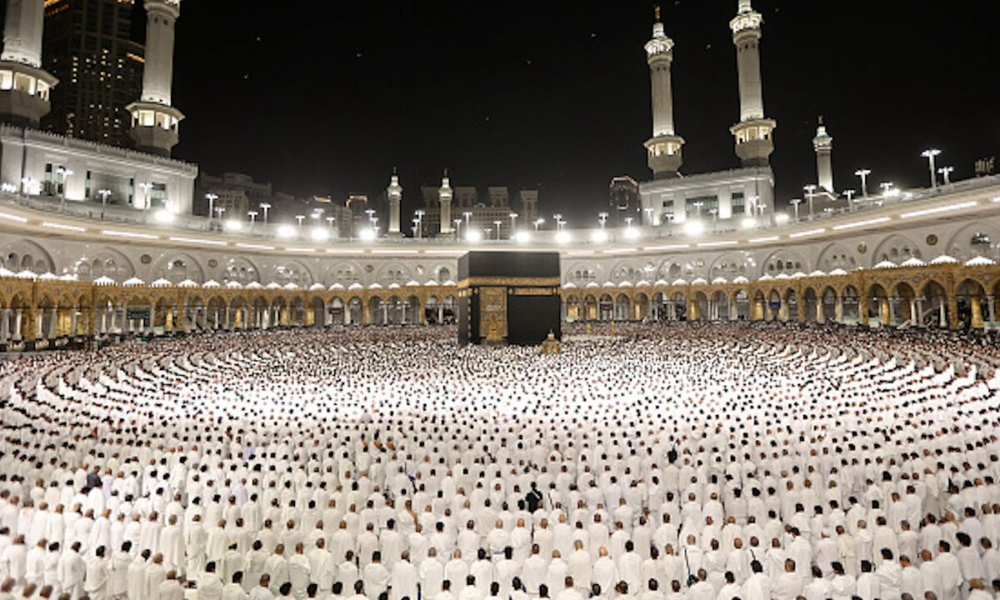
Eid is one of the most significant festivals in Islam, celebrated with great devotion and joy across the world. Among all places, the celebration of Eid in the holy city of Mecca holds a special spiritual significance. Every year, millions of Muslims gather at the Masjid al-Haram to offer prayers, seek blessings, and experience a profound connection with Allah. The image captured beautifully shows a vast congregation of faithful devotees surrounding the Kaaba, dressed in traditional white attire, symbolizing purity and equality.
The Significance of Eid in Islam
Eid, whether Eid al-Fitr or Eid al-Adha, is a celebration of faith, devotion, and community. Eid al-Fitr marks the end of Ramadan, the month of fasting, while Eid al-Adha commemorates the willingness of Prophet Ibrahim (Abraham) to sacrifice his son in obedience to Allah. Both festivals emphasize gratitude, generosity, and spiritual reflection. The gathering at Mecca represents not only the fulfillment of religious duties but also the unity and equality among Muslims, transcending national, cultural, and social differences.
A Spiritual Gathering at Masjid al-Haram
The scene depicted in the image is both humbling and inspiring. Devotees clad in white, known as Ihram, form organized rows as they perform the congregational prayers. The Kaaba, at the center of the mosque, stands as the focal point of worship, drawing believers from all corners of the globe. This sight is a powerful reminder of the shared faith and collective devotion of the Muslim Ummah.
The Holy Mosque is a marvel in itself. Its vast courtyards, tall minarets, and intricate architecture create an atmosphere of serenity and reverence. As pilgrims gather for the Eid prayer, the sound of collective recitations of the Quran fills the air, evoking a sense of spiritual awakening and connection.
Rituals and Practices During Eid
The celebration of Eid in Mecca involves several key rituals. The day begins with Salat al-Eid, a special prayer performed in congregation. Before heading to the mosque, Muslims perform Ghusl (ritual purification) and wear their finest clothes or Ihram. The prayer is followed by a sermon emphasizing forgiveness, generosity, and community welfare.
Another essential aspect of Eid is charity (Zakat al-Fitr), which ensures that even the less fortunate can participate in the festive celebrations. In Mecca, thousands of pilgrims not only engage in worship but also in acts of kindness, feeding the needy and offering assistance to fellow travelers. This highlights the true spirit of Eid compassion, unity, and gratitude.
The Unity and Equality of Worshippers
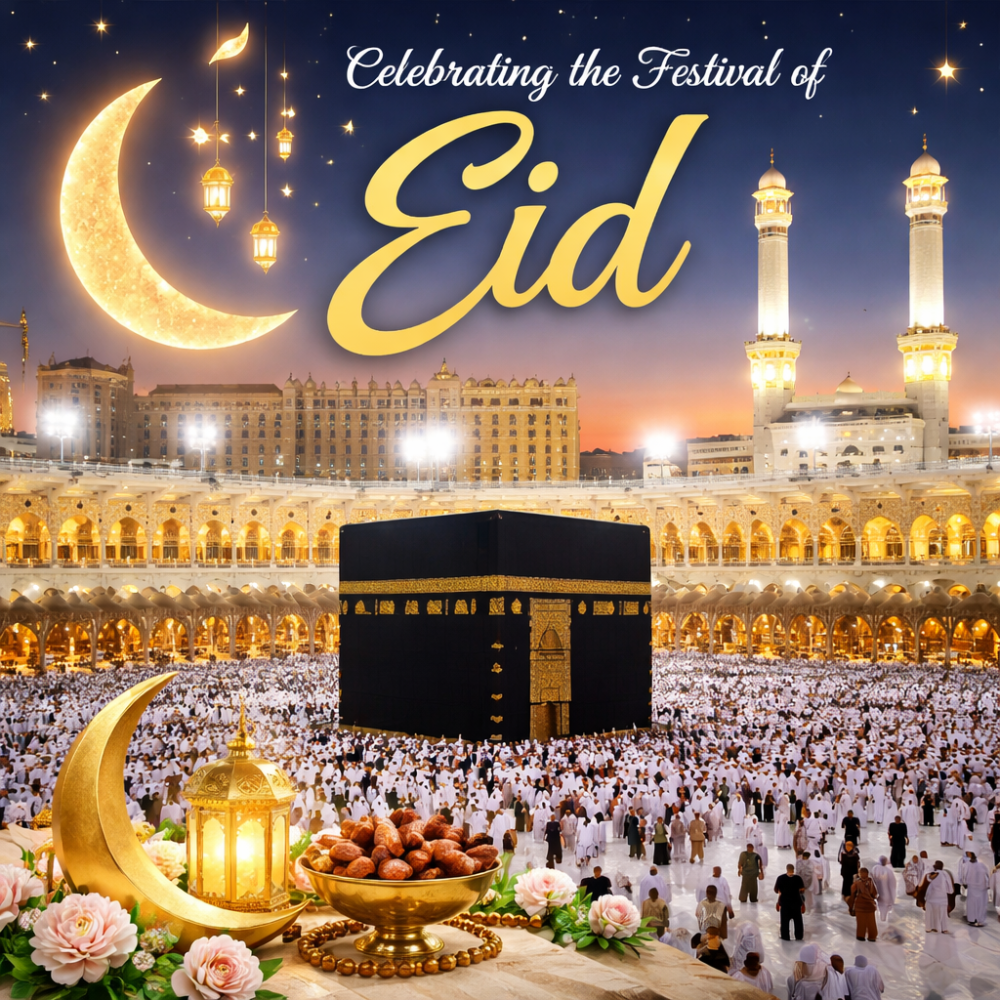
One of the most striking aspects of the gathering at Masjid al-Haram is the visible sense of equality among worshippers. Regardless of race, nationality, or social status, everyone stands shoulder to shoulder in perfect unity, facing the Kaaba. The white Ihram attire symbolizes purity, humility, and equality before Allah. The image captures this beautifully, showing a sea of white garments surrounding the sacred Kaaba, emphasizing that devotion to God unites all believers.
The sheer scale of the congregation also reflects the global nature of Islam. Pilgrims from Asia, Africa, Europe, and the Americas come together in Mecca to perform their prayers, exchanging greetings of “Eid Mubarak” and sharing in the collective joy of the festival. This melting pot of cultures and languages underscores the universality of Islamic teachings and the harmonious coexistence of diverse communities.
A Moment of Reflection and Spiritual Renewal
Eid in Mecca is not merely a ritualistic celebration; it is a profound moment for spiritual reflection. The act of standing in prayer with thousands of others, all seeking Allah’s blessings, brings a sense of inner peace and humility. Pilgrims contemplate their actions, seek forgiveness for past mistakes, and renew their commitment to faith and righteousness.
The festival also provides an opportunity for personal growth. By observing the devotion of others and engaging in communal worship, individuals are reminded of the virtues of patience, humility, and self-discipline. This spiritual renewal is one of the key reasons why Eid in Mecca is considered a transformative experience for many believers.
The Joy and Festivities Beyond Prayer
While the central focus of Eid in Mecca is prayer and devotion, the festival is also a celebration of joy and togetherness. Families and friends gather to share meals, exchange gifts, and visit significant religious sites. Traditional delicacies are prepared, and the atmosphere is filled with warmth and happiness.
In Mecca, pilgrims often partake in communal meals, sharing food with fellow travelers and residents alike. This act of sharing reinforces the sense of community and highlights the charitable aspect of the festival. Even amidst the grandeur of the Holy Mosque, these simple gestures of kindness and generosity reflect the essence of Eid.
Global Significance of Eid Celebrations in Mecca
The Eid celebrations in Mecca resonate across the world. Millions of Muslims who cannot physically visit the Holy Mosque still participate in the festival through local congregational prayers and charitable acts. The images and videos from Masjid al-Haram serve as an inspiration, reminding Muslims worldwide of the importance of faith, devotion, and community.
The celebration also strengthens international bonds within the Muslim community. Pilgrims returning from Mecca often share their experiences, teachings, and reflections with their local communities, spreading the spiritual and cultural significance of Eid.
Conclusion
The image of Eid at the Holy Mosque in Mecca encapsulates the essence of this sacred festival faith, devotion, unity, and joy. Millions of worshippers gather around the Kaaba, dressed in white, performing prayers and seeking divine blessings. The spiritual atmosphere, coupled with acts of charity and communal celebration, makes Eid in Mecca a profoundly moving experience.
As the festival unfolds, believers are reminded of the core values of Islam: humility, equality, compassion, and gratitude. Whether through prayer, reflection, or celebration, Eid in the holy city serves as a powerful testament to the enduring spirit of faith and unity among Muslims worldwide. For those who witness it in person or through images, the sight of the devoted congregation at Masjid al-Haram is a timeless symbol of spiritual devotion and human solidarity.