
Top Business Trends Shaping the Global Economy in 2026: AI, E-Commerce, EVs, and Digital Payments in India
The global business environment is rapidly evolving due to technological innovation, changing consumer preferences, and growing emphasis on sustainability. Companies across industries are adopting new technologies and strategies to remain competitive and meet market demands. Major developments such as the rise of electric vehicles, artificial intelligence, e-commerce, and digital payments are transforming how businesses operate and grow.
These emerging trends are shaping the future of global industries and creating new opportunities for companies to innovate, expand, and achieve long-term success in the modern economy.
1. Expansion of Electric Vehicle Industry
The electric vehicle (EV) market is growing rapidly as companies invest in sustainable transportation. Major automakers such as Tesla, Tata Motors, and BYD Company are expanding production and launching new EV models.
Key business impacts:
-
Rising demand for battery technology
-
Growth in charging infrastructure
-
Increased government incentives for green vehicles
-
Strong competition among automobile companies
The EV industry is expected to transform the global automobile sector and create new opportunities for suppliers, manufacturers, and technology companies.
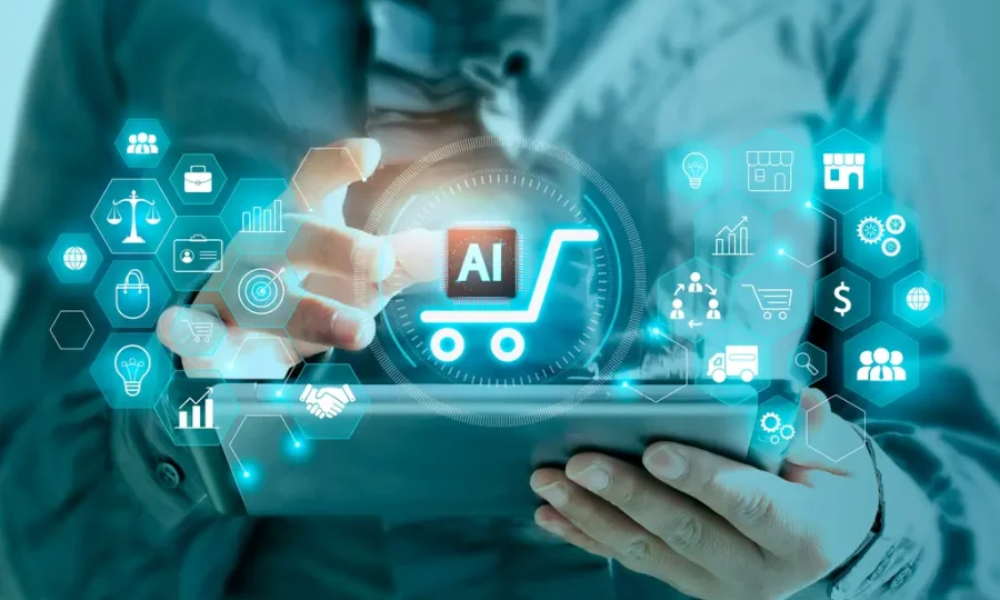
2. Artificial Intelligence Transforming Businesses
Artificial Intelligence (AI) is becoming a major driver of innovation in the business world. Companies like Microsoft, Google, and OpenAI are investing billions into AI technologies.
Businesses are using AI for:
-
Customer service through chatbots
-
Data analysis and decision-making
-
Automation of repetitive tasks
-
Personalized marketing strategies
AI adoption is helping companies increase efficiency, reduce costs, and improve customer experiences.
3. Growth of E-Commerce Industry
Online shopping continues to grow rapidly worldwide. Leading companies such as Amazon, Flipkart, and Alibaba Group are expanding their services, logistics networks, and delivery capabilities.
Major factors driving e-commerce growth include:
-
Increased smartphone usage
-
Faster digital payments
-
Improved logistics and delivery systems
-
Growing consumer preference for online shopping
This growth is transforming the retail industry and forcing traditional stores to adopt digital strategies.
4. Rise of Startup Culture
The startup ecosystem has grown significantly, especially in countries like India and the United States.
Technology startups are emerging in areas such as:
-
Fintech
-
Healthtech
-
Edtech
-
Artificial intelligence
-
Renewable energy
Cities like Bengaluru and San Francisco have become global startup hubs where entrepreneurs attract investments from venture capital firms.
Startups play an important role in innovation, job creation, and economic growth.
5. Corporate Sustainability and Green Business
Many companies are now focusing on sustainability and environmentally responsible business practices.
Major corporations such as Apple Inc., Unilever, and Nestlé are committing to reduce carbon emissions and adopt eco-friendly production methods.
Green business initiatives include the following:
-
Using renewable energy
-
Reducing plastic packaging
-
Sustainable supply chain management
-
Carbon neutrality goals
Sustainability is becoming an important factor for investors and customers when choosing brands.
6. Digital Payments Revolution
Digital payments have transformed the financial sector. Platforms like Google Pay, PhonePe, and PayPal are making transactions faster and more convenient.
In India, the National Payments Corporation of India introduced Unified Payments Interface, which has revolutionized digital payments.
Benefits of digital payments:
-
Instant money transfer
-
Reduced cash dependency
-
Increased financial inclusion
-
Better transaction transparency
This shift toward a cashless economy is changing how businesses operate globally.
7. Global Supply Chain Changes
Global supply chains are evolving due to economic shifts and technological advancements.
Companies like Apple Inc., Samsung Electronics, and Intel are diversifying manufacturing locations to reduce dependency on a single country.
Businesses are focusing on:
-
Supply chain resilience
-
Local manufacturing
-
Automation and robotics
-
Digital supply chain management
These changes are reshaping international trade and manufacturing strategies.
Conclusion
The global business landscape is rapidly evolving due to technological innovation, digital transformation, sustainability initiatives, and new consumer behaviors. Industries such as electric vehicles, artificial intelligence, e-commerce, and digital payments are shaping the future of business.
Companies that adapt quickly to these changes will gain a competitive advantage, while those that fail to innovate may struggle in the evolving market. Understanding these trends is essential for students, entrepreneurs, and professionals who want to succeed in the modern business world.