Japan’s Revolutionary Bathing Machine: How Japanese Innovation Is Transforming the Future of Personal Care
Japan has always been known as a global leader in innovation, technology, and futuristic inventions. From robotics and automation to healthcare and lifestyle solutions, the country constantly surprises the world with ideas that make everyday life easier, faster, and more comfortable. One such groundbreaking creation is Japan’s automatic bathing machine, a unique technology designed to help people take a bath effortlessly. Originally developed to support the elderly and patients with limited mobility, this machine has now become a symbol of how human-centric Japanese engineering can truly be.
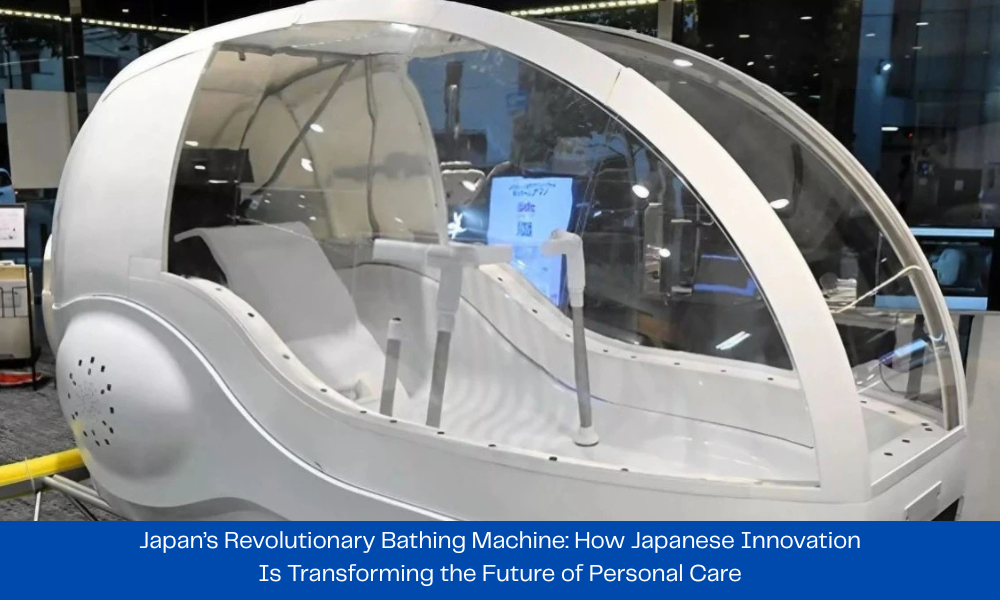
The Origin of Japan’s Bathing Machine
Japan has one of the world’s highest aging populations. With millions of seniors requiring assistance for daily activities, the demand for safe and comfortable bathing solutions led engineers to create a machine that could automate the entire bathing process. The concept first emerged in the late 20th century when Japanese health-tech companies began experimenting with fully automatic body-washing systems.
The first commercial version of a bathing machine was introduced by a Japanese company called Sanyo (later known for home appliances). It was developed for hospitals, elderly-care centers, and rehabilitation wards. Over the years, the technology has evolved dramatically. Today’s machines are far more advanced—featuring sensors, multiple wash modes, adjustable water pressure, aromatherapy options, drying systems, and safety controls.
What Exactly Is the Japanese Bathing Machine?
The Japanese automatic bathing machine is a compact, high-tech bath unit designed to wash, rinse, scrub, and dry a person without requiring physical effort. The person simply lies down or sits inside the machine, and the technology handles everything:
- Full-body cleaning
- Water spraying and temperature control
- Gentle foaming and scrubbing brushes
- Rinsing with adjustable pressure
- Warm air drying
- Optional massage and relaxation modes
In simple words, it is like an automated, high-tech bathtub that performs all bathing steps with precision.
How Does the Machine Work?
Although models vary by company, the typical bathing machine follows this sequence:
- Entry and Positioning
The user sits or lies down on a comfortable reclining bed inside the machine. Some machines include a movable stretcher to assist bedridden patients.
- Temperature Setup
Smart temperature sensors measure body temperature and adjust the water accordingly. Japan emphasizes relaxation as part of bathing, so warmth plays an important role.
- Foam and Bubble Cleaning
A soft layer of foam is created through a combination of water jets and soap dispensers. Some machines use microbubble technology, which helps remove dirt more effectively while being gentle on the skin.
- Rotating Brushes and Water Jets
Soft silicone brushes rotate lightly across the body, ensuring a deep but gentle clean. Advanced models can even adjust brush pressure automatically.
- Rinsing Cycle
Filtered water sprays at controlled pressure to rinse the foam and dirt from the body. The machine ensures complete cleaning without leaving any residue.
- Drying System
Built-in warm air dryers remove moisture, leaving the user completely dry and comfortable.
- Optional Features
Some high-end machines include:
- Aromatherapy
- Massaging bubbles
- Heated water beds
- Music therapy
- LED ambient lighting
These features turn the bath into a spa-like relaxation experience.
Why Did Japan Create Such a Machine?
Japan never creates technology without a purpose. The bathing machine serves several important needs:
- Elderly Care
Japan’s aging population faces mobility problems, making traditional bathing risky. This machine allows them to bathe independently and safely.
- Hospital and Rehabilitation Use
Patients recovering from surgeries, disabled individuals, or people with chronic illnesses benefit greatly from automated, hygienic bathing.
- Time-Saving Convenience
Caregivers and hospital staff save time and energy, allowing them to focus on more critical responsibilities.
- Hygiene and Safety
The machine ensures complete cleaning with minimal human contact, reducing chances of infection in medical facilities.
- Stress-Free Bathing
Japan believes bathing is not only for cleaning but also for relaxation and mental wellness. These machines maintain perfect water temperature and soothing features to help users de-stress.
Global Adoption and Popularity
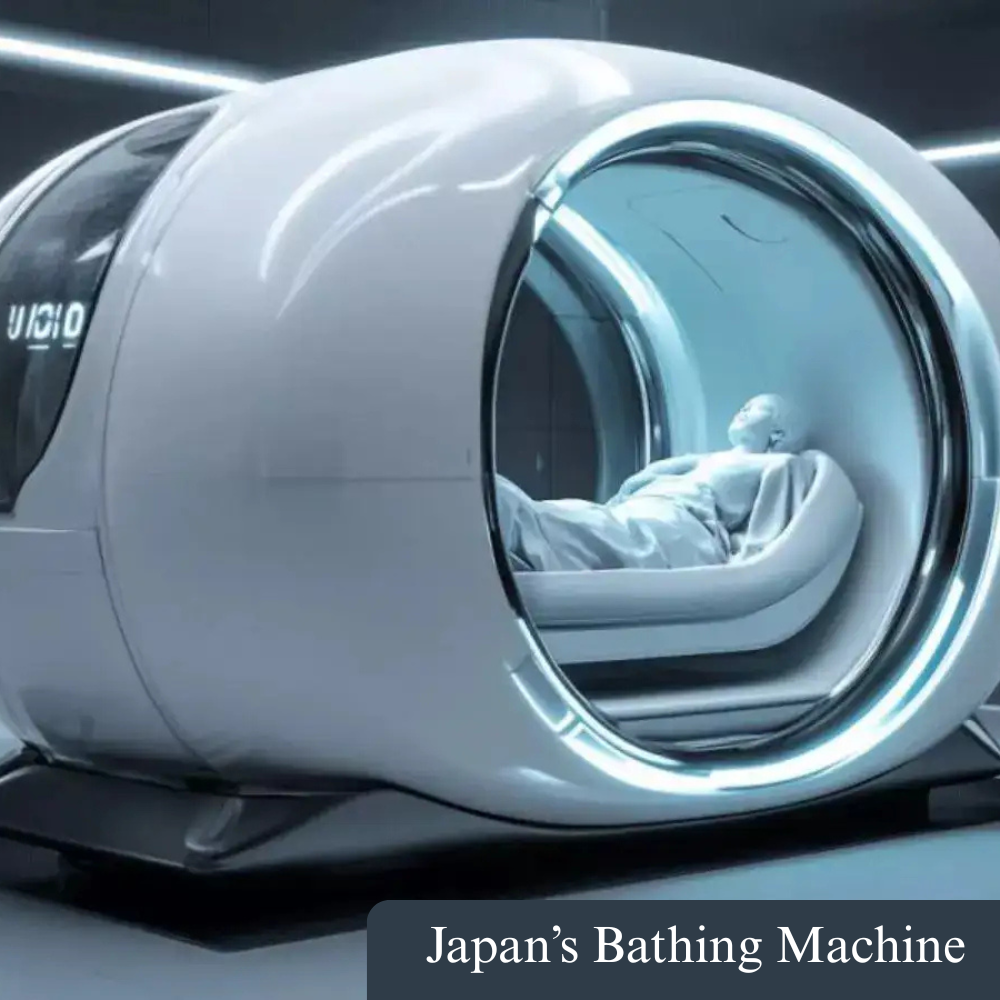
Although the technology was designed in Japan, it is slowly becoming popular in other countries—especially in Europe, Singapore, South Korea, and the Middle East. Many luxury nursing homes and premium hotels have started installing Japanese bathing systems to provide enhanced comfort.
Technologically advanced households and hotels are also experimenting with compact versions of these machines, which are smaller and suitable for modern apartments.
Features that Make the Bathing Machine Unique
Japan’s bathing machines stand out due to several innovative features:
- Hands-free bathing
- Safe for disabled and elderly individuals
- Automated cleaning and drying
- Anti-slip surfaces for safety
- Eco-friendly water-saving mechanisms
- Remote control or touchscreen operation
- Smart sensors to prevent overheating or water overflow
These machines reflect Japan’s commitment to combining care, convenience, and cutting-edge technology.
Future of Bathing Machines: What’s Next?
Japan is continuously improving this technology. In the coming years, we may witness:
- AI-powered skin analysis that recommends cleaning intensity
- Voice-controlled operations
- Portable home versions
- Fully robotic bathing assistants
- Integration with smart home systems like Alexa or Google Home
Some companies are also working on 3D body mapping technology, which scans the user’s body to create a fully customized cleaning cycle.
Impact on Society
The introduction of bathing machines has created a positive impact across several aspects:
Healthcare Sector
Hospitals reduce labor strain and maintain higher hygiene standards.
Elderly Independence
Senior citizens regain dignity and confidence by bathing independently.
Caregiving Efficiency
Nurses and caregivers experience lower physical workload.
Mental and Physical Wellness
Bathing becomes a relaxing, spa-like experience for all users.
Conclusion
Japan’s invention of the automatic bathing machine is a perfect example of how technology can make life better, safer, and more comfortable. What began as a solution for elderly care has now evolved into a futuristic lifestyle innovation. With advanced cleaning features, safety systems, and therapeutic options, this machine is transforming the way people think about bathing.
As Japan continues to push the boundaries of technology, the world eagerly watches—and benefits—from its creative, human-centered inventions. The bathing machine is not just a device; it is a vision of the future where healthcare, convenience, and innovation blend seamlessly.